
Modern Landscape Design and Buildfor Clean, Uncluttered Space
Geometry, restraint and a short list of materials used exceptionally well. Modern design gives a property a calm, uncluttered outdoor space where every line is deliberate.
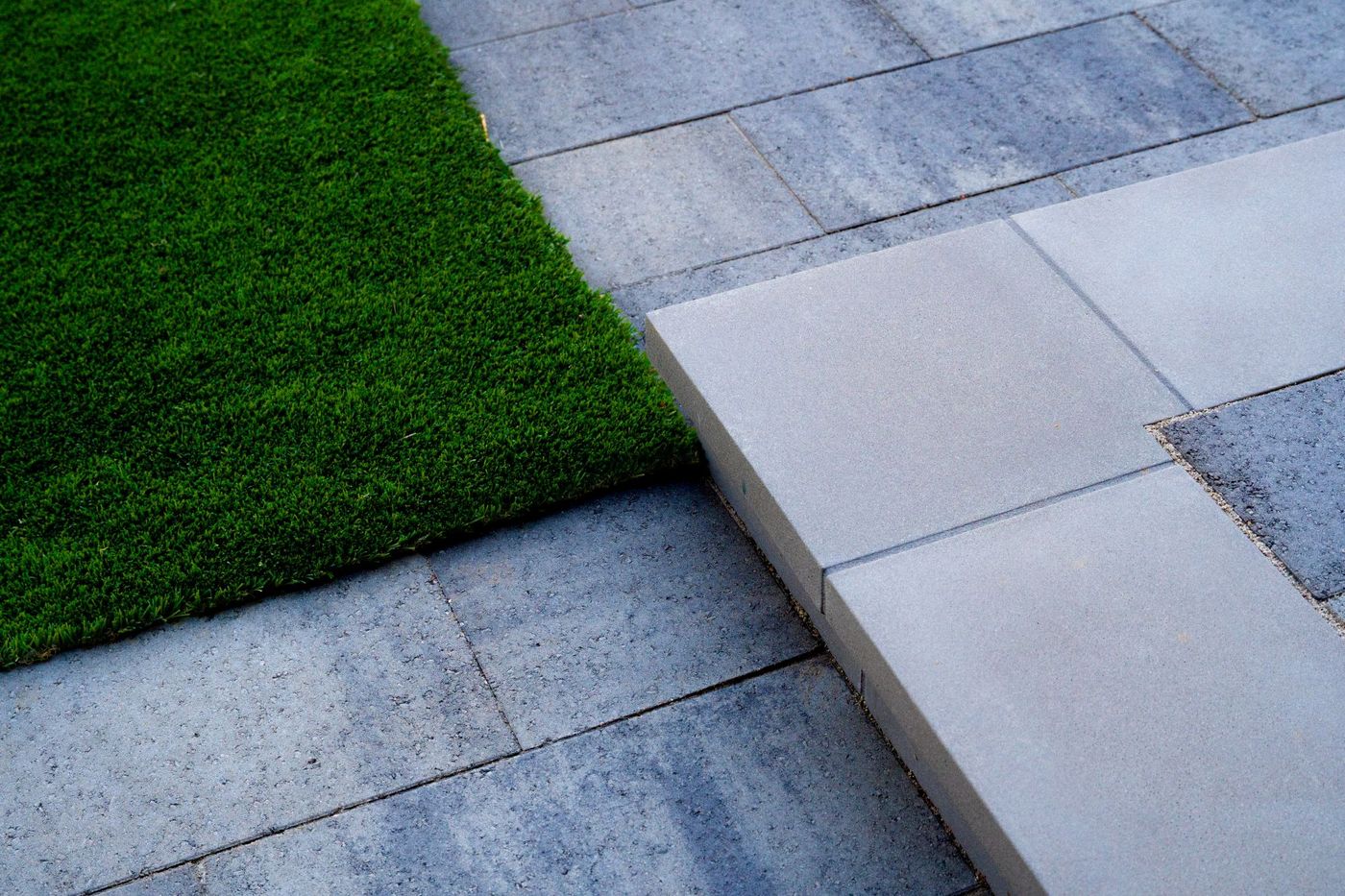
The Modern Style
Immerse yourself in the beauty of modern architecture
Modern landscape design is typically associated with clean lines, geometric shapes and minimalistic features. For someone looking for an uncluttered, symmetrically eye-pleasing space, this may be the right choice. Modern landscaping is a timeless and practical option for a home that wants to feel calm rather than busy.
It is also the least forgiving style we build, and that is worth saying plainly. When there is no ornament to hide behind, everything rests on execution: whether a joint line runs true, whether two materials meet cleanly, whether a step is the same height as the one below it. Done well it looks effortless. Done carelessly it just looks unfinished.
Signature Elements
The details that make a landscape read as modern
Modern design works by subtraction. These are the few elements that stay, and because there are so few of them, each one has to be right.
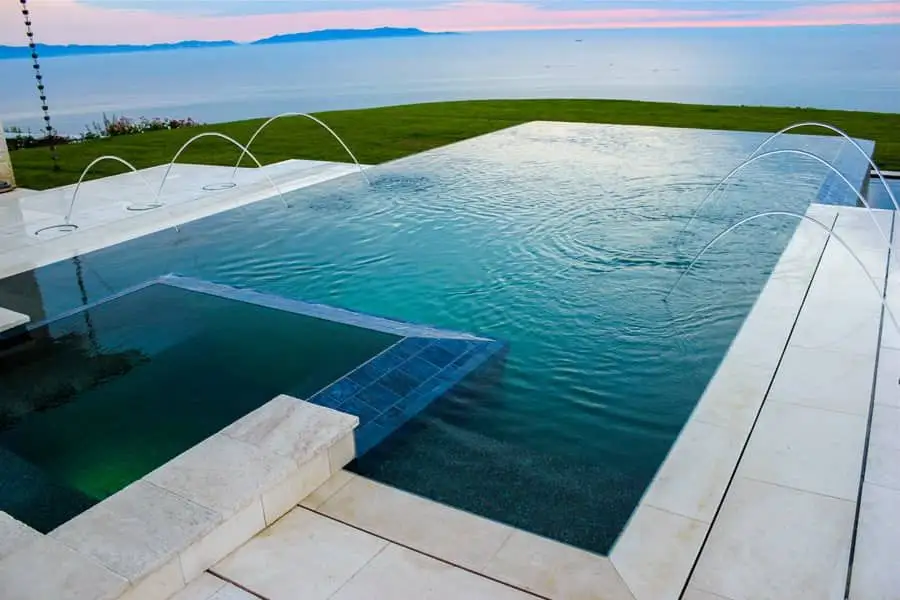
Hard Lines
Straight edges, right angles and a consistent grid are the backbone of the style. Paving joints, bed edges and wall lines are all set out to relate to each other rather than wander.
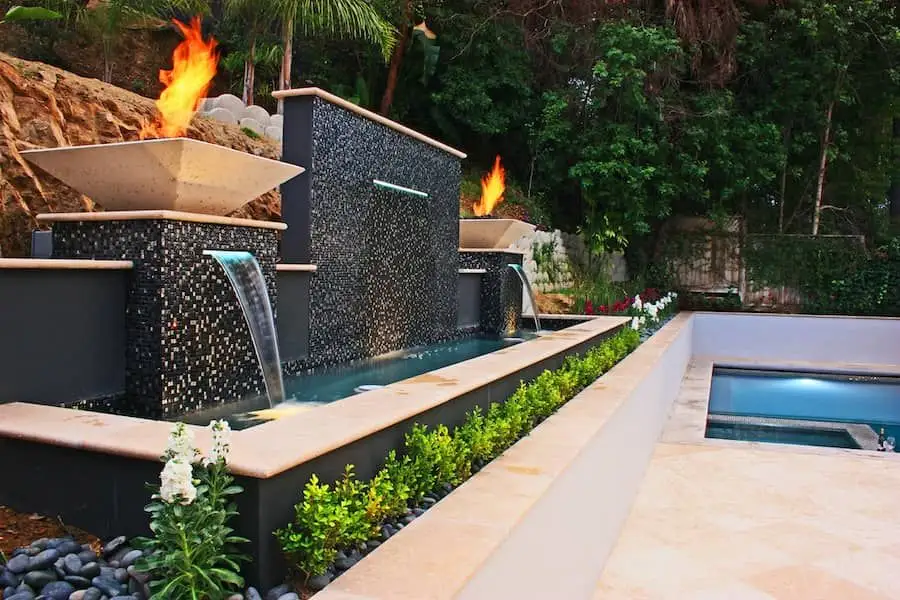
Fire Features
A linear fire table or a fire trough set into a wall gives a modern space its evening focal point, with a rectilinear form that suits the geometry around it.
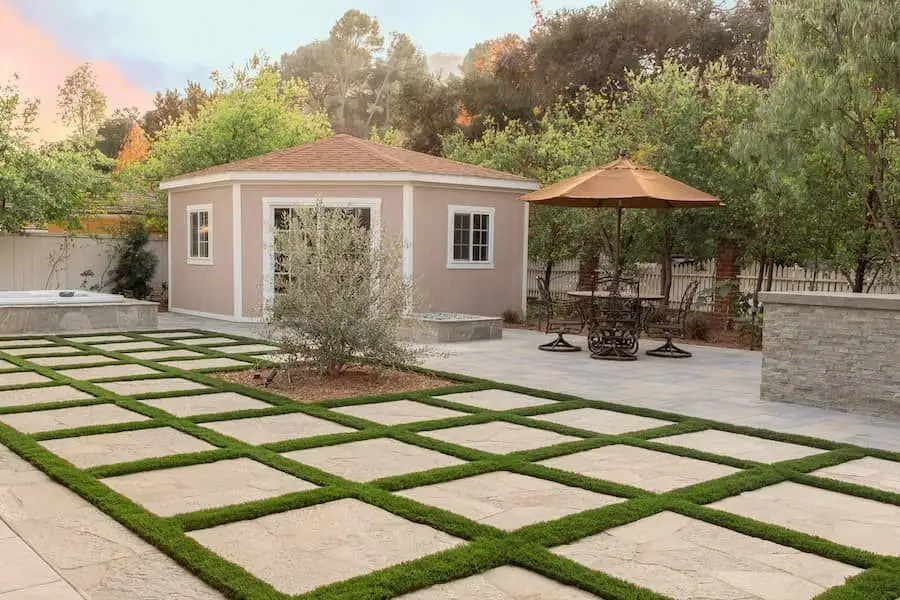
Grass Grids
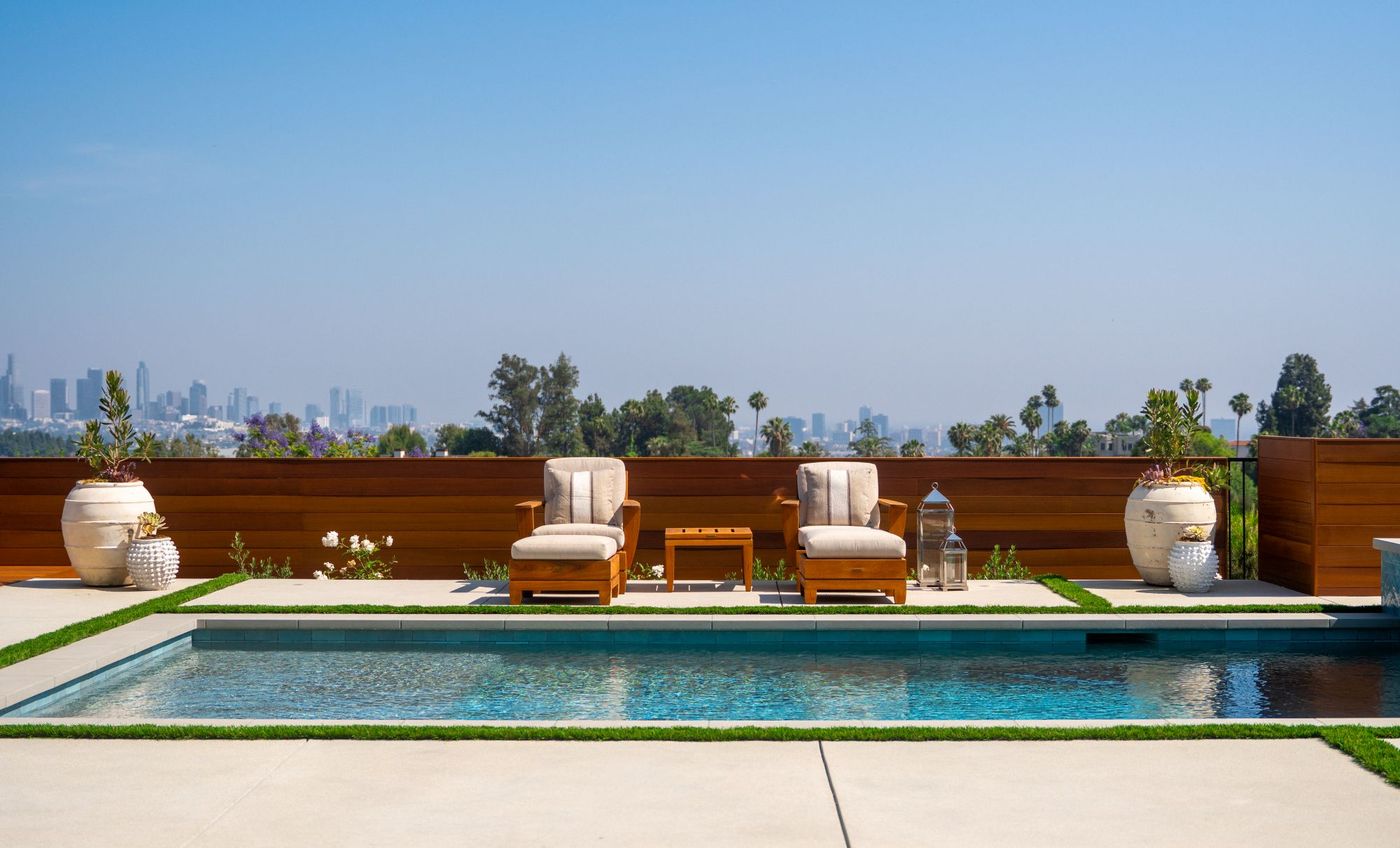
Bands of turf running between paving slabs, or a planted joint on a set module, break up a large hard surface without adding clutter, and keep more of the ground permeable.
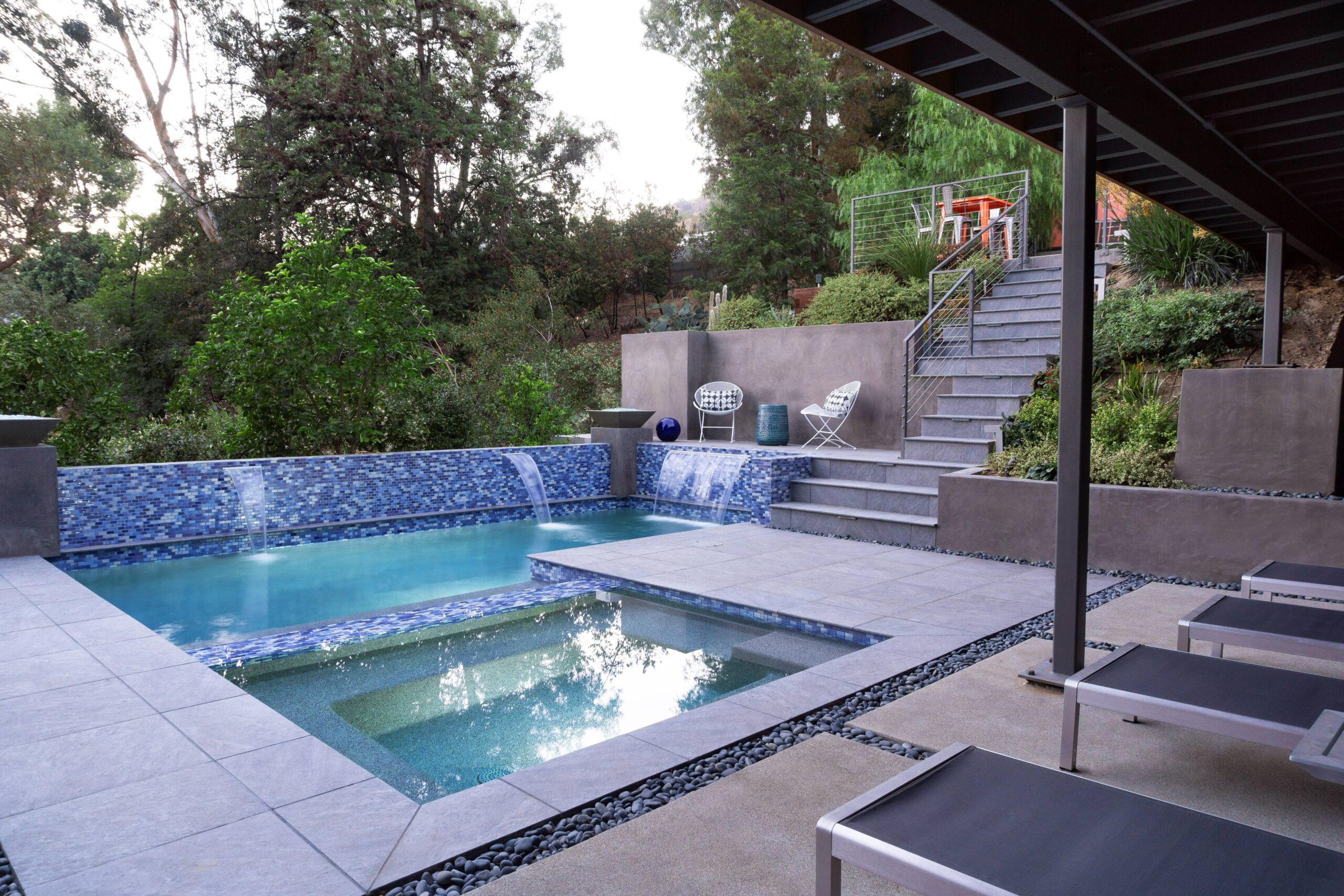
Structured Hardscaping
Large-format paving, board-formed concrete and low seat walls do most of the work. The hardscape is the design here, rather than a frame around the planting.
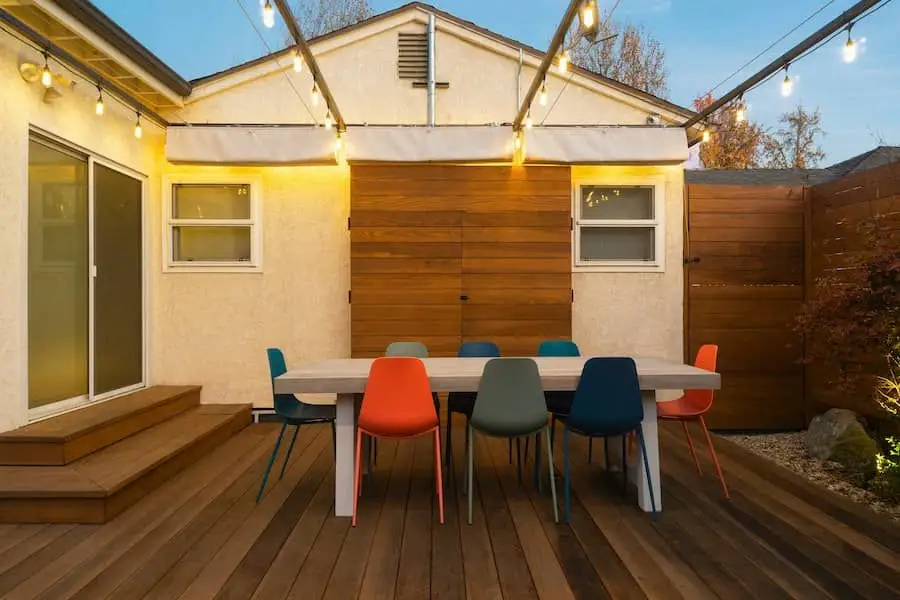
Wood Accents
Horizontal slat screens, a hardwood deck, or a slatted overhead structure introduce warmth and grain against concrete and stone without breaking the geometry.
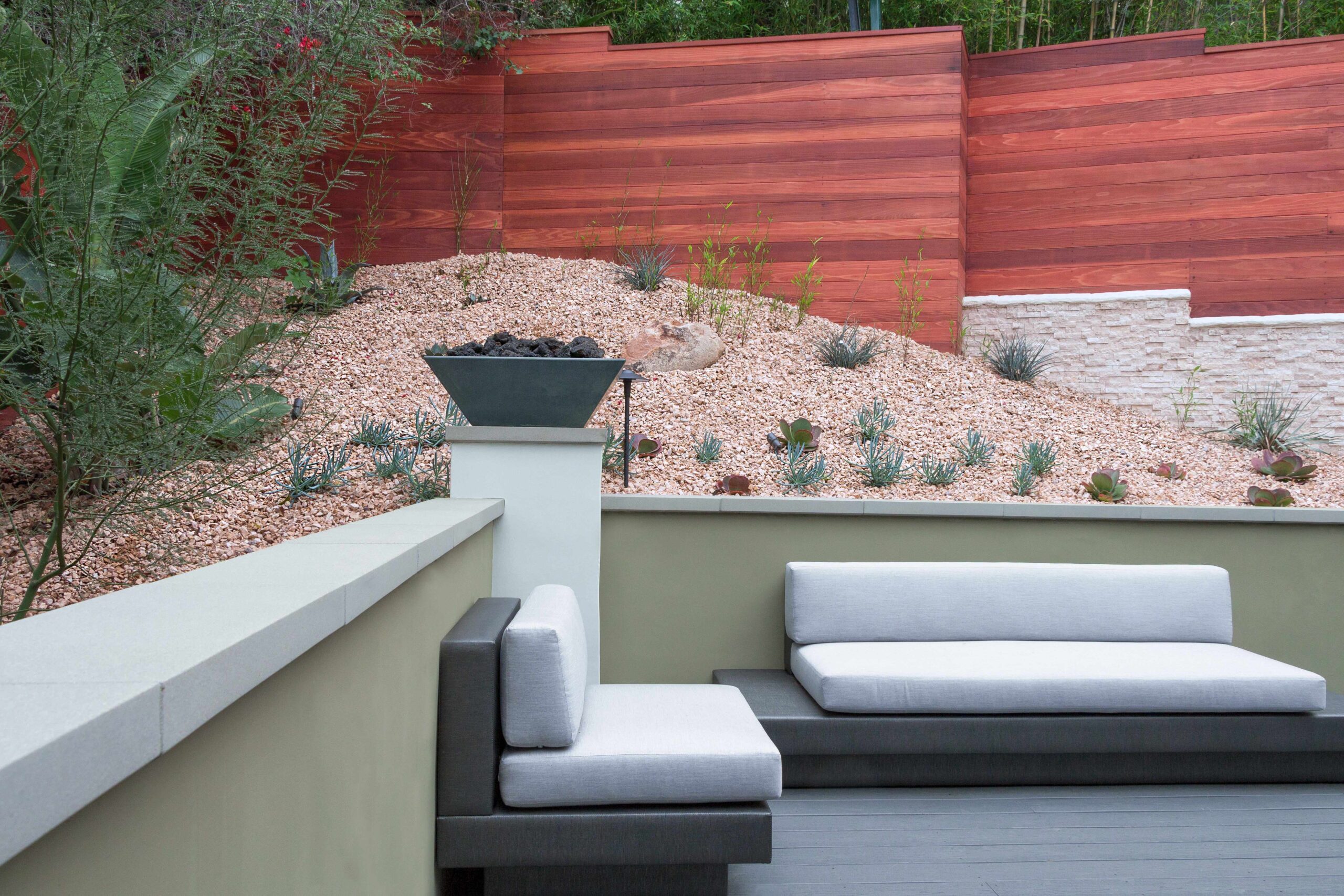
Considered Furniture
In a minimal space, furniture reads as part of the architecture. Low, simple profiles in a restrained palette keep the sightlines the design was built around.
Why It Works Here
A Style That Suits the California Light
Modern landscape design and the California climate suit each other unusually well. Strong, consistent sun produces the hard shadow lines the style depends on, and the mild winters mean an outdoor room built as an extension of the house is usable most of the year rather than a few months of it.
The plant palette works in the same direction. Architectural, sculptural plants, agave, phormium, ornamental grasses, olive, are exactly what a minimal design wants, and most of them are naturally low-water here. Modern is the style where the restrained look and the water-wise choice tend to be the same decision.
Hard Light Makes Hard Lines
The style is built on shadow, the edge of an overhead, the reveal under a floating step, the line of a slat screen. California sun delivers that contrast for most of the year.
Heat Is a Material Decision
Large expanses of dark paving and concrete hold heat. Lighter finishes, permeable joints and planned shade keep a minimal space comfortable in August rather than unusable.
Sculptural Planting Is Water-Wise Planting
The plants that suit a modern design, agave, aloe, phormium, ornamental grasses, olive, are largely the same ones that thrive on very little water here once established.
Less Planting, More Precision
With fewer plants, each one is a specimen and its placement is structural. That makes correct plant selection and soil preparation more important in this style, not less.
Plant Selection Tied to the Property
The California Department of Water Resources recommends matching plant choices to a property's specific climate, soil and sun exposure before planting, the same approach your Designer takes during the Site Analysis.
Climate and plant-selection guidance sourced from the California Department of Water Resources and the LADWP California Friendly Landscaping program. CA DWR: Water-Efficient Plant Selection · LADWP: California Friendly Landscaping
Materials
The materials that carry a modern landscape
Modern design uses a short material list on purpose. Concrete, large-format pavers, gravel, turf, wood and a restrained planting layer, chosen for how cleanly they meet each other.
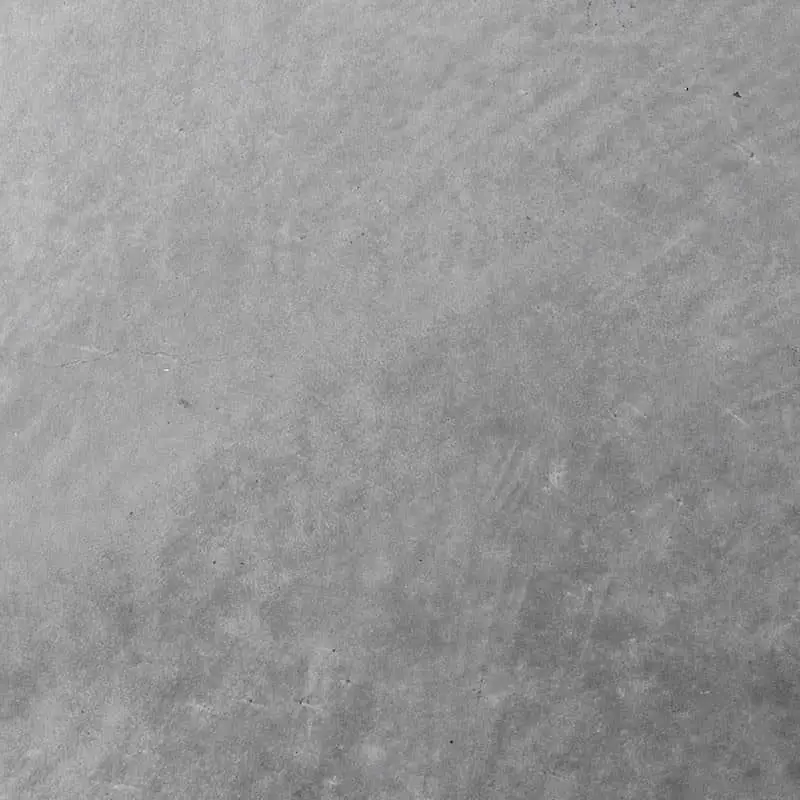
Concrete Slabs
Large-format poured or precast slabs with tight, consistent joints. The size of the unit and the regularity of the joint pattern are what make the surface read as modern.
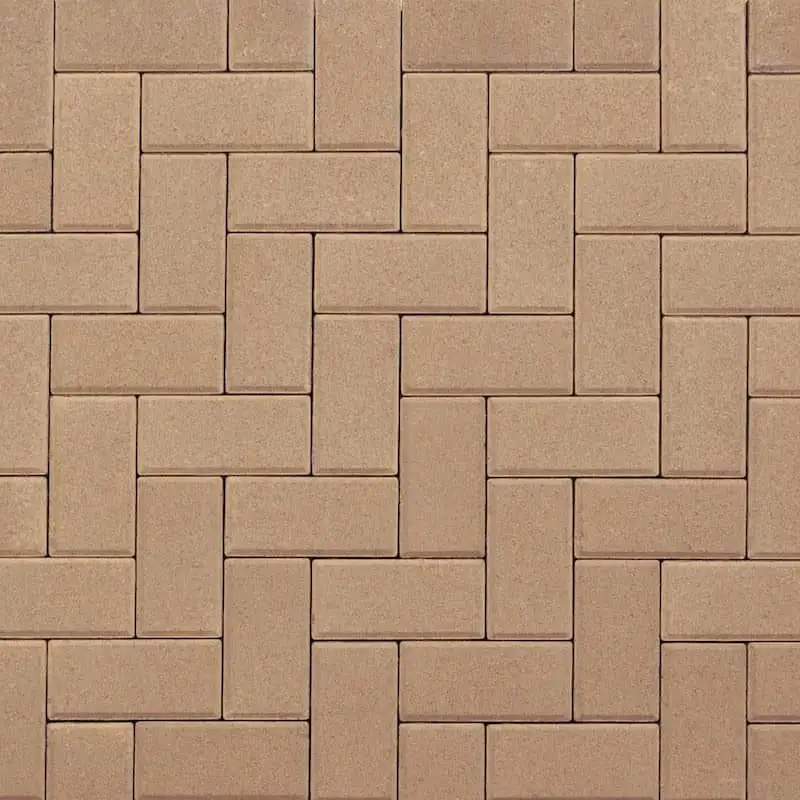
Pavers
Rectilinear pavers in a single tone, laid on a strict grid or in bands, for terraces and drives where a poured slab is not practical.
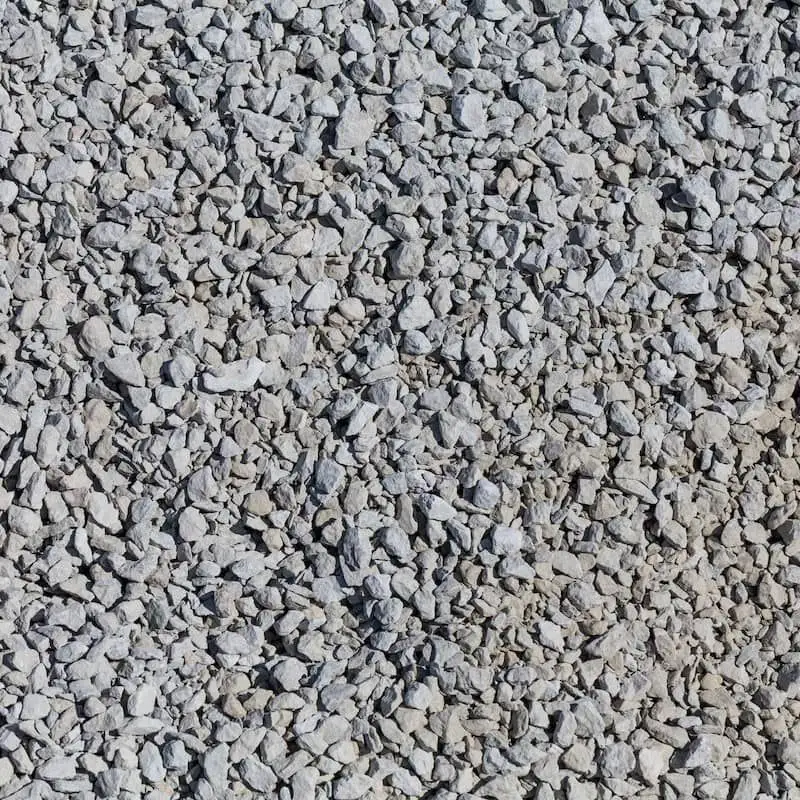
Gravel
A uniform, small-gauge gravel used as a clean field between planting or paving, adding texture and permeability without visual noise.

Grass
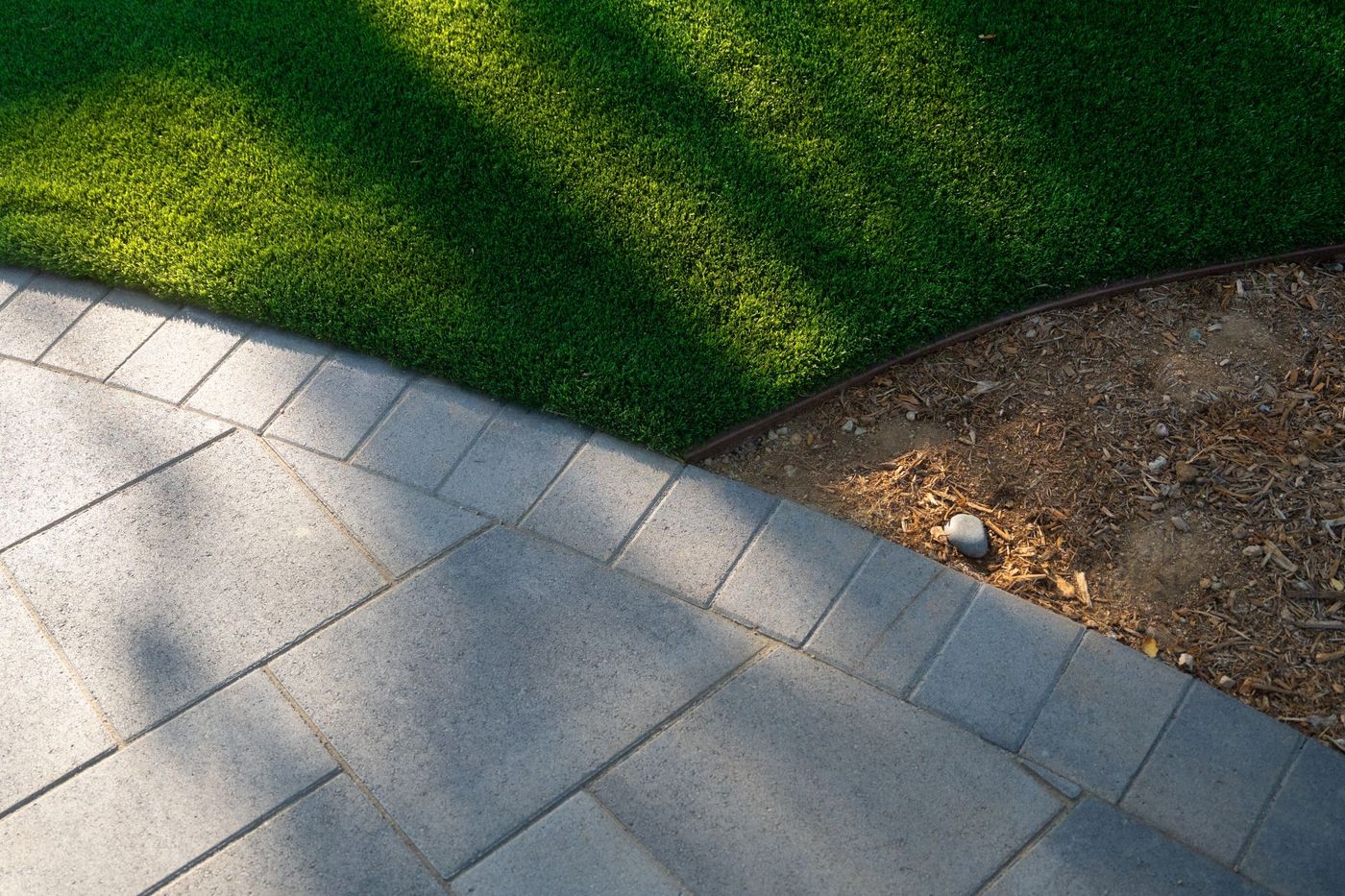
Turf used as a shape rather than a surface: a defined rectangle or a band between paving, with a crisp edge holding the geometry.
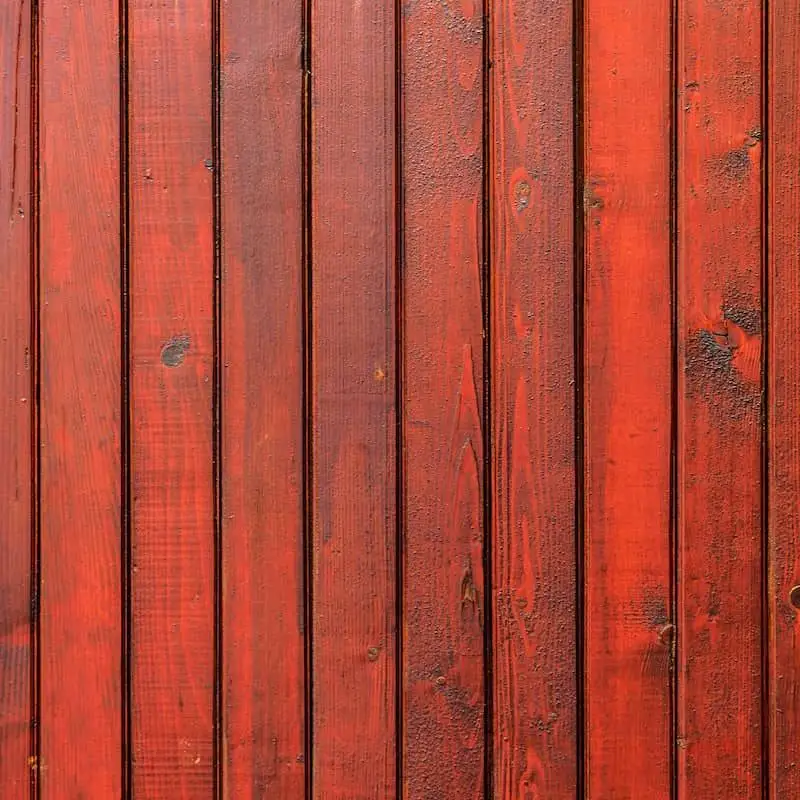
Wood
Hardwood decking, horizontal slat screens and slatted overheads, the warm counterweight to concrete and the main source of grain in the palette.
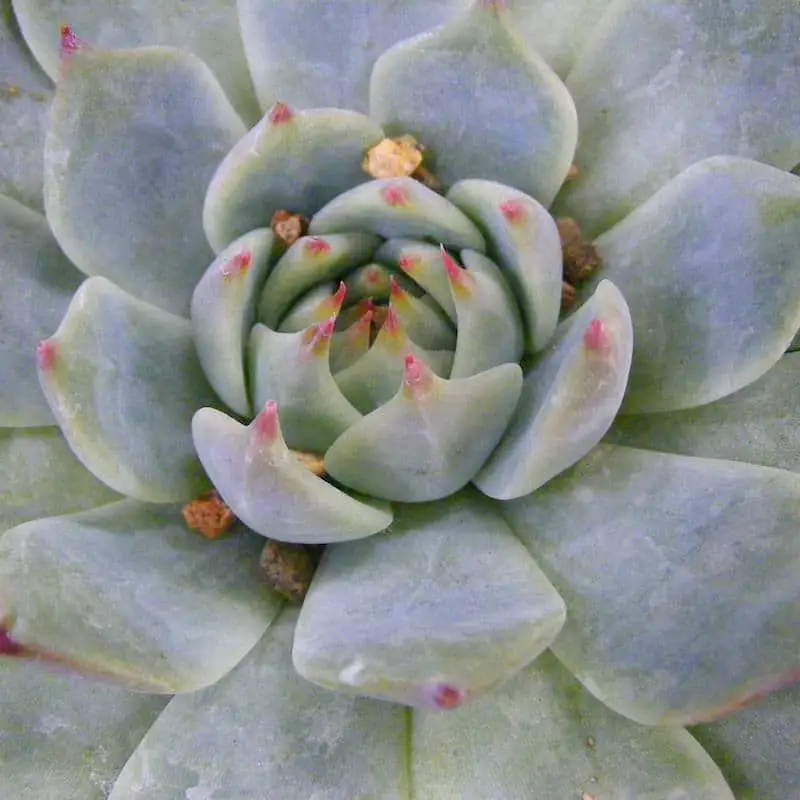
Succulents
Used architecturally rather than decoratively, in blocks of a single species, succulents give a modern planting bed its silhouette and need very little water.
Planting Palette
A modern planting palette
Modern planting is chosen for silhouette. A small number of species, repeated deliberately, does more than variety. The categories below are a starting point for the conversation with your Designer, not a fixed list.
- Architectural Specimens
- Agave · Aloe · Yucca
- Structural Foliage
- Phormium (New Zealand flax) · Cordyline · Dwarf olive
- Movement & Softening
- Mexican feather grass · Deer grass · Berkeley sedge
- Sculptural Trees
- Olive (multi-trunk) · Palo verde · Strawberry tree
- Green Panels
- Artificial turf for a crisp geometric panel · Dymondia · Creeping thyme between pavers
- Restrained Colour
- Succulent groundcover in a single tone · Lavender · Kangaroo paw as an accent
Final plant selections depend on your property's microclimate, sun exposure, irrigation setup, soil, pets and maintenance preferences, along with any local water-use requirements. Several sculptural favourites, agave and yucca especially, have sharp tips worth reconsidering near a walkway or a play area; your Designer will confirm what's right for your yard during the Site Analysis.
Is This Style Right for You?
What to consider before choosing modern
Modern design suits a particular temperament as much as a particular house. A few things worth thinking through before your Site Analysis:
You genuinely like empty space
Negative space is a design element here, not a gap waiting to be filled. If an uncluttered terrace reads as calm to you, this style will feel right. If it reads as unfinished, you will keep adding to it until it is no longer modern.
Architecture that pairs naturally
Mid-century, contemporary and any flat-roofed or strongly horizontal house take to this style directly. On a traditional or Spanish home it can still work, usually confined to a rear terrace or a defined outdoor room rather than the front elevation.
Execution matters more than budget
A modern plan is not necessarily more expensive, but it is far less tolerant of rough work. Level tolerances, joint alignment and clean material transitions are the finish. There is no planting to soften a line that came out crooked.
Low maintenance, not no maintenance
Fewer plants means less pruning, and that is a real advantage. But minimal surfaces show dirt, leaf litter and staining more obviously than busy ones, so the upkeep shifts from horticulture to cleaning.
Plan the shade before the paving
A minimal hardscape terrace with no overhead structure can be unusable on a hot afternoon. Shade, whether a slatted structure, a pergola or a well-placed multi-trunk tree, belongs in the first plan, not added later.
Children and pets change the detailing
Modern works well for families, with adjustments: turf or a planted grid instead of an unbroken hard surface, rounded corners on seat walls, and slip-resistant finishes where water is involved.
Common Questions
Modern Landscape Design, Answered
Usually yes on the planting, because there is less of it and much of it is drought-tolerant. The trade is that minimal surfaces show leaf litter, dirt and staining more than busy ones do. The work shifts from pruning and deadheading to sweeping and occasional cleaning, and most homeowners find that a good trade.
That is the usual worry and it comes down to material choice. Concrete and stone alone can read hard. Adding wood, whether decking, a slat screen or a slatted overhead, plus planting with real movement like ornamental grasses, keeps the space calm rather than clinical while leaving the geometry intact.
It helps, but no. Mid-century and contemporary homes take the style directly. On a traditional or Spanish house, a modern treatment generally works best as a defined outdoor room at the rear rather than across the front elevation, where it would compete with the architecture.
Yes, with sensible detailing. Turf or a planted paving grid gives a softer surface than an unbroken hard terrace, seat wall corners can be eased, and slip-resistant finishes matter around water. The main thing to reconsider is sharp-tipped specimens like agave and yucca near a path or play area.
It is less about material cost and more about tolerance. Large-format slabs need a very flat, well-prepared base; long straight joints have to run true across the whole space; and clean transitions between two materials take more layout time. There is no planting to disguise a line that is slightly off.
Plan the shade in the first design, not afterwards. A slatted overhead, a pergola or a well-placed multi-trunk tree makes the difference between a terrace you use in August and one you look at. Lighter paving finishes and permeable joints also keep surface temperatures down.
Landscape Styles
Explore Other Landscape Styles

Start With Your Property
Start With Your Site Analysis
Modern design depends on levels, alignment and sightlines being right from the beginning, which is precisely what the Site Analysis establishes: measurements, grading, drainage and sun exposure before a single line is drawn. Designed Right, Built Right, on time and on budget.
No pressure. Just expert guidance from a local design-build team.