
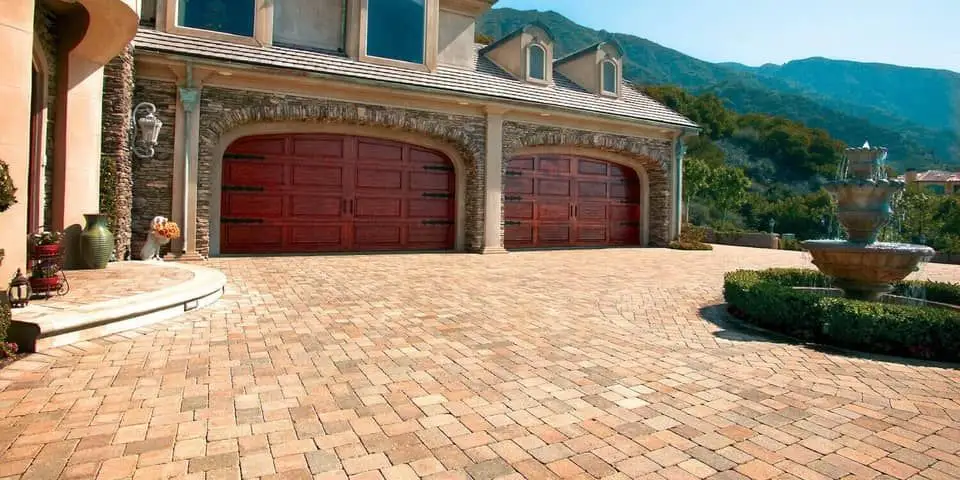
What shapes the investment
- Driveway length, width, and paving material chosen
- Excavation difficulty and existing conditions
- Grade work and drainage requirements
- Pattern complexity and color selection
- Connection to entry walk and house improvements
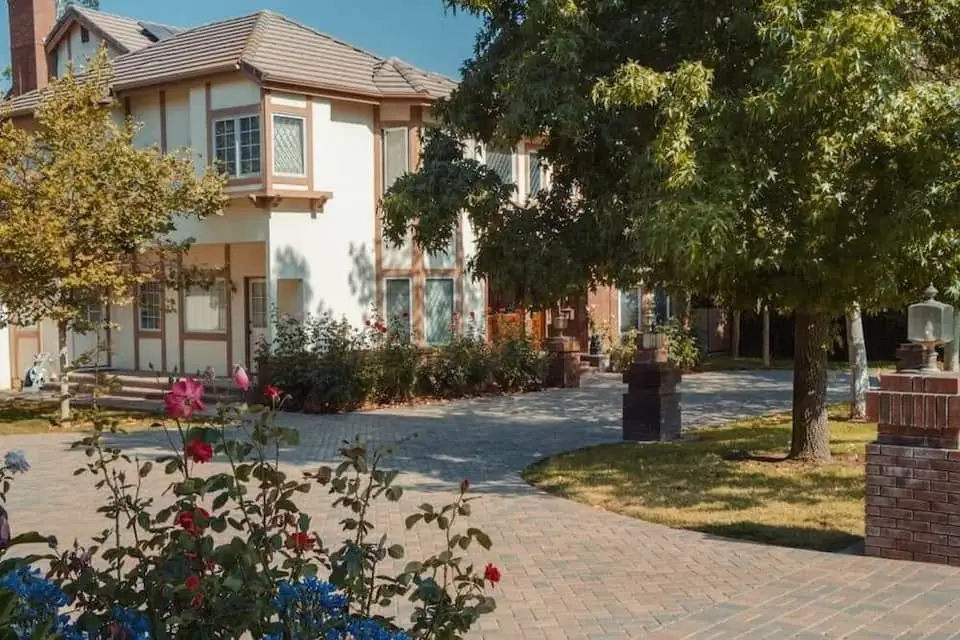
Driveways & Entryways
Paving stone driveway installation for homes across Greater Los Angeles and the Central Coast. Your driveway is the first thing visitors see. Paving stones offer durability, color retention, and easy repair that concrete cannot match. We design driveways that connect the street to the entry, handle water correctly, and last.
Start here
The right approach follows how you want to use the space. Pick what you're actually after below, and the materials and layout mostly follow from it. Every project shown was built here in Southern California, so the choices are suited to this climate.
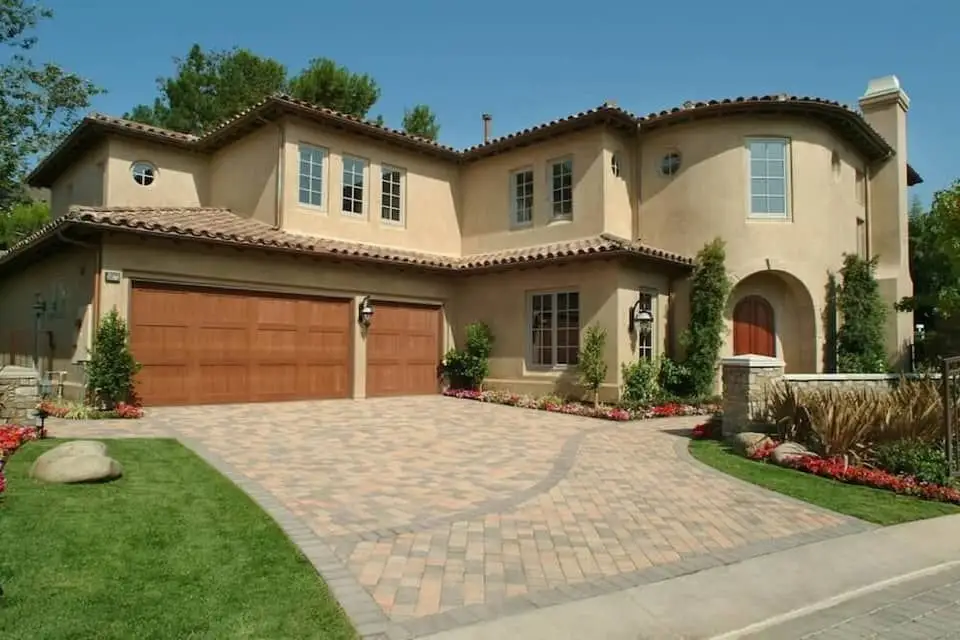 01 Curb appeal and first impression A driveway that looks intentional and well-maintained sets the tone for the whole property. See driveway projects
 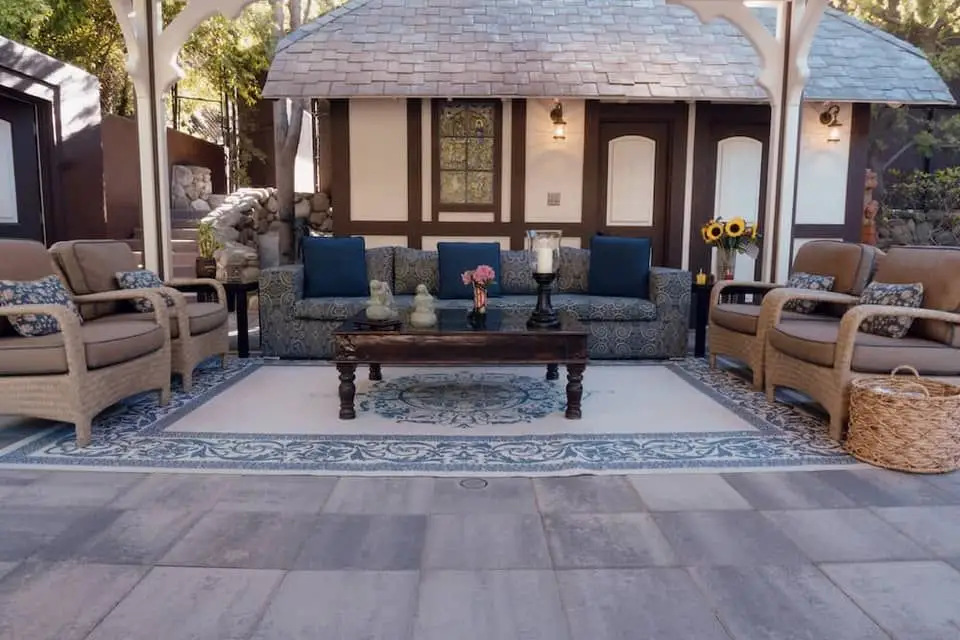 02 Durability that lasts decades Paving stones are four times stronger than concrete and individual stones can be replaced without affecting the whole driveway. See paver durability
 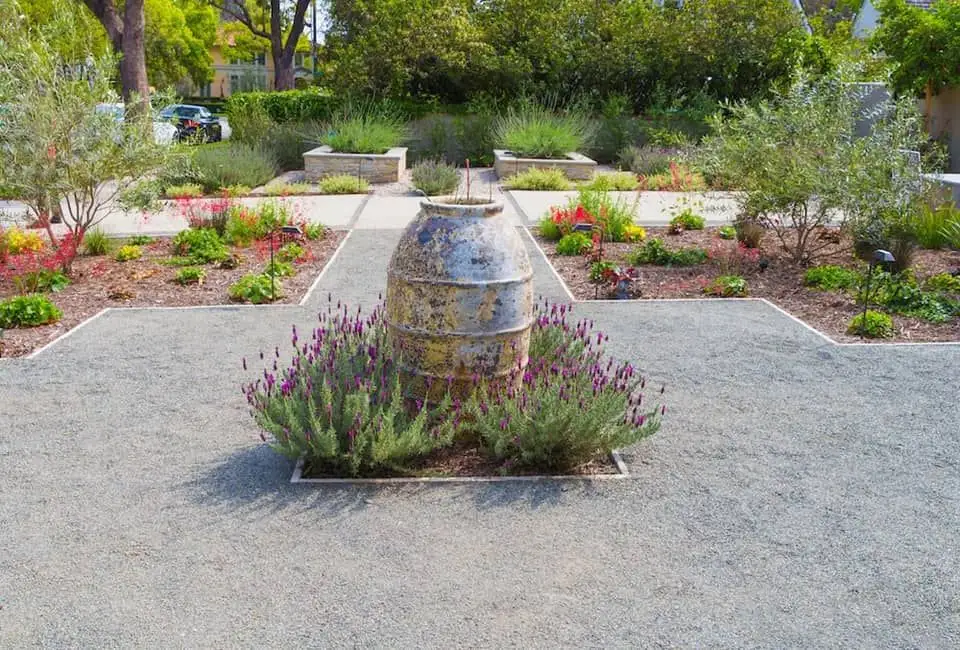 03 Design flexibility and patterns Herringbone, basket weave, running bond, and custom patterns let you match the home and surrounding landscape. See pattern options
 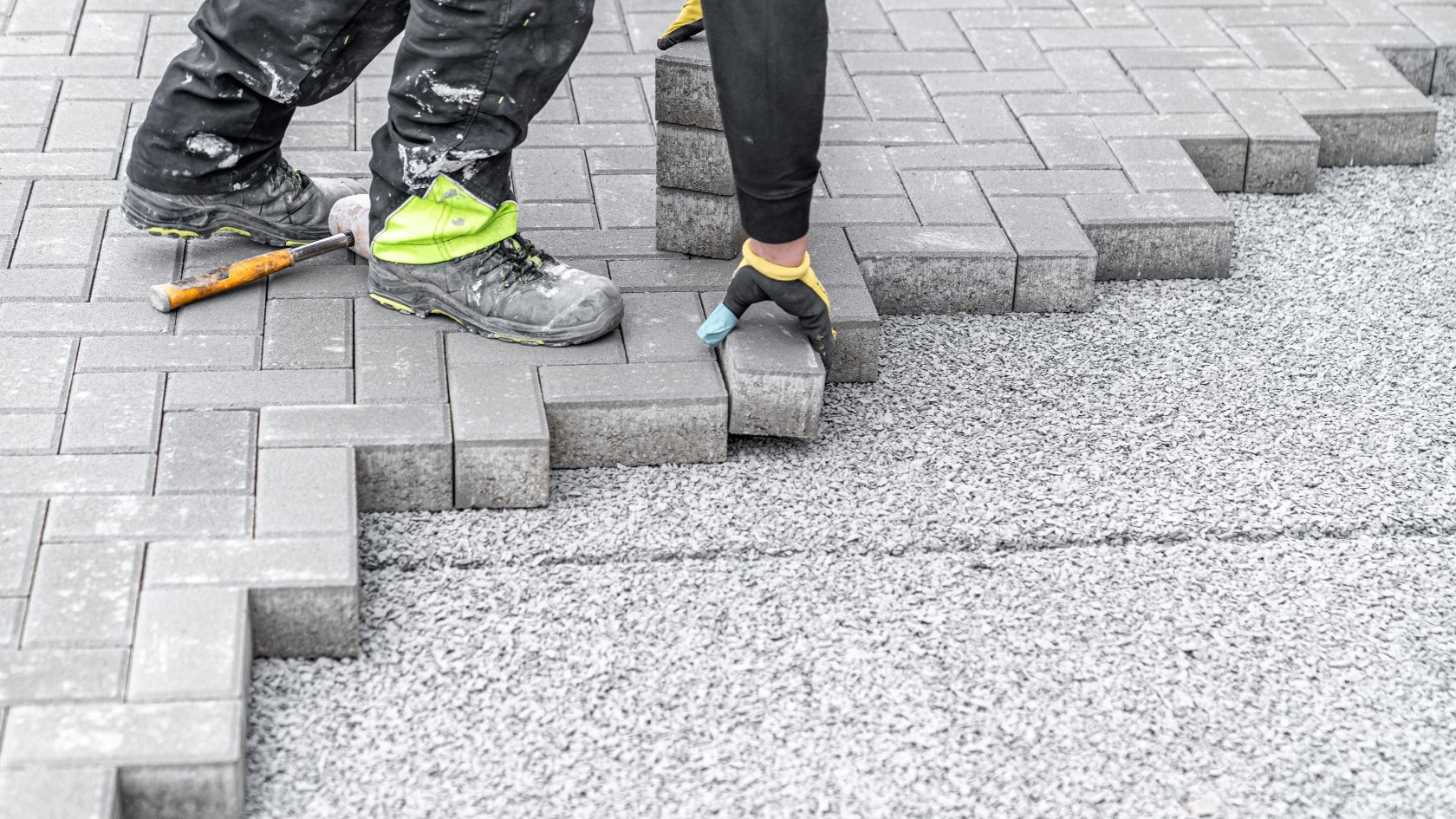 04 Integrated approach with entry design The driveway connects to walkways, entry patios, and yard grading. Designed together, these pieces tell one story. See complete entries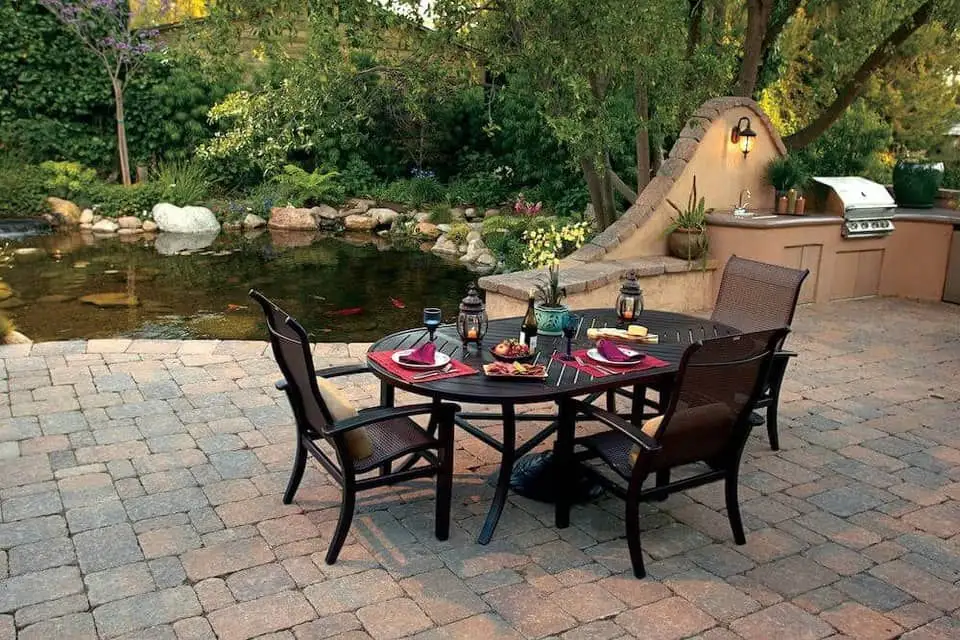
Best for Anyone who wants durability, color retention, and a premium appearance.
On your property Works on any slope. Sand base and proper drainage handle California weather and ground movement.
Best for Projects where cost is primary concern and durability is secondary.
On your property Cracks easily under movement and heat. Color fades in Southern California sun. Repairs mean replacing entire sections.
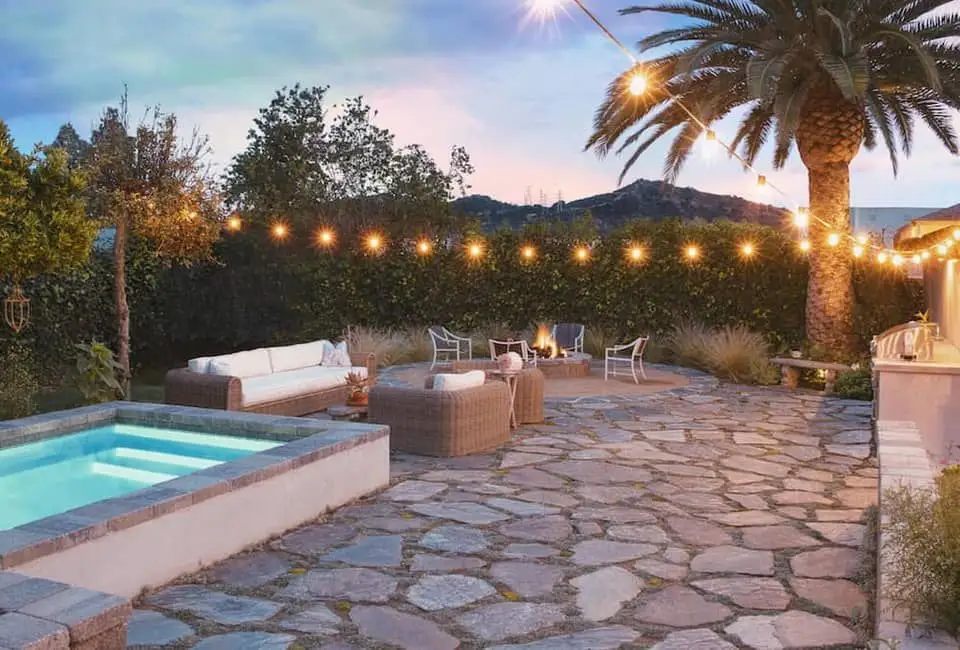
Best for Temporary or rental properties where maintenance is the owner problem.
On your property Requires constant maintenance. Cracks, softens in summer heat, fades and oxidizes. Common in California for less than 5 years before major repairs needed.
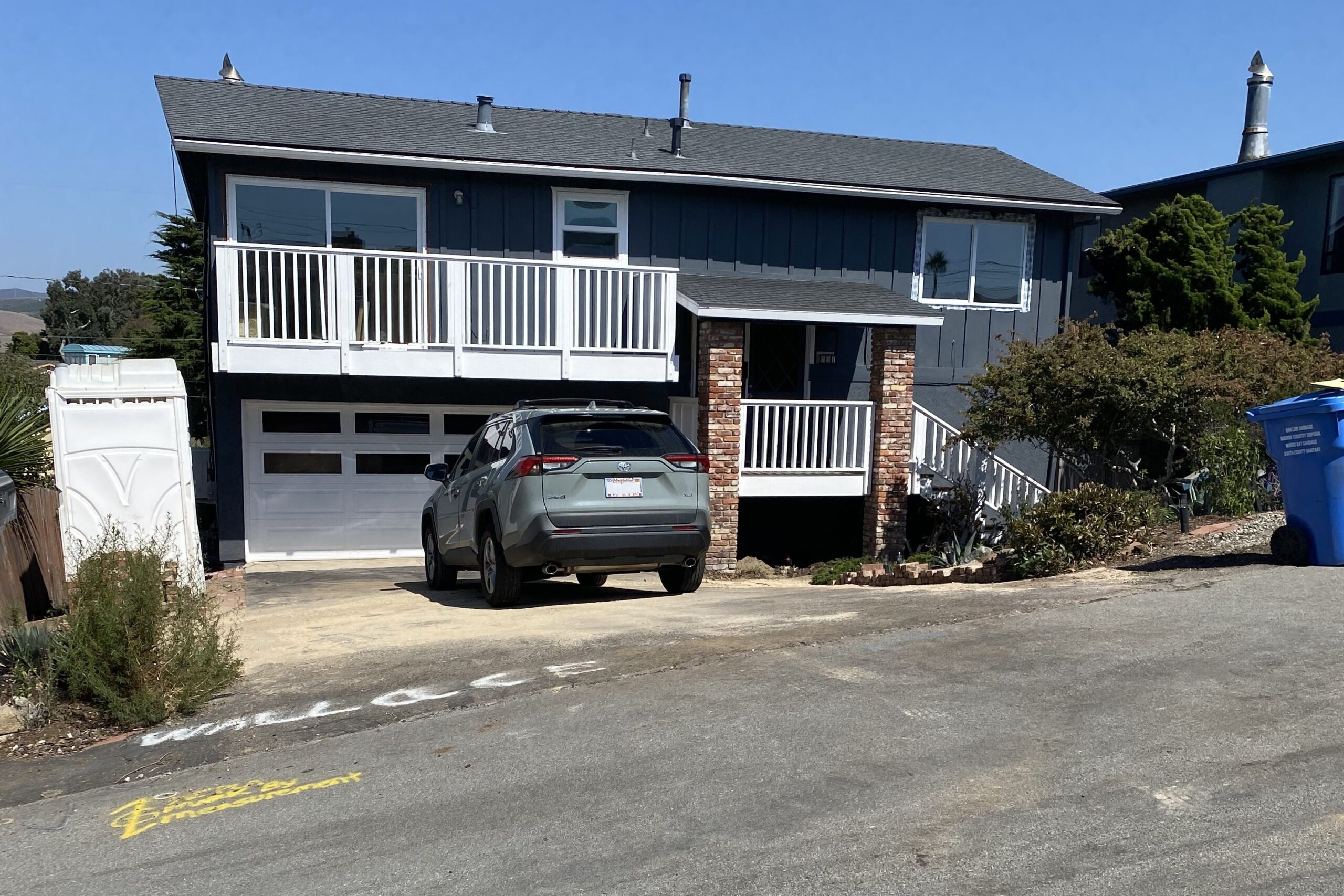 Before
 We measure grade, identify drainage patterns, check for utilities, and plan the driveway layout and slope.
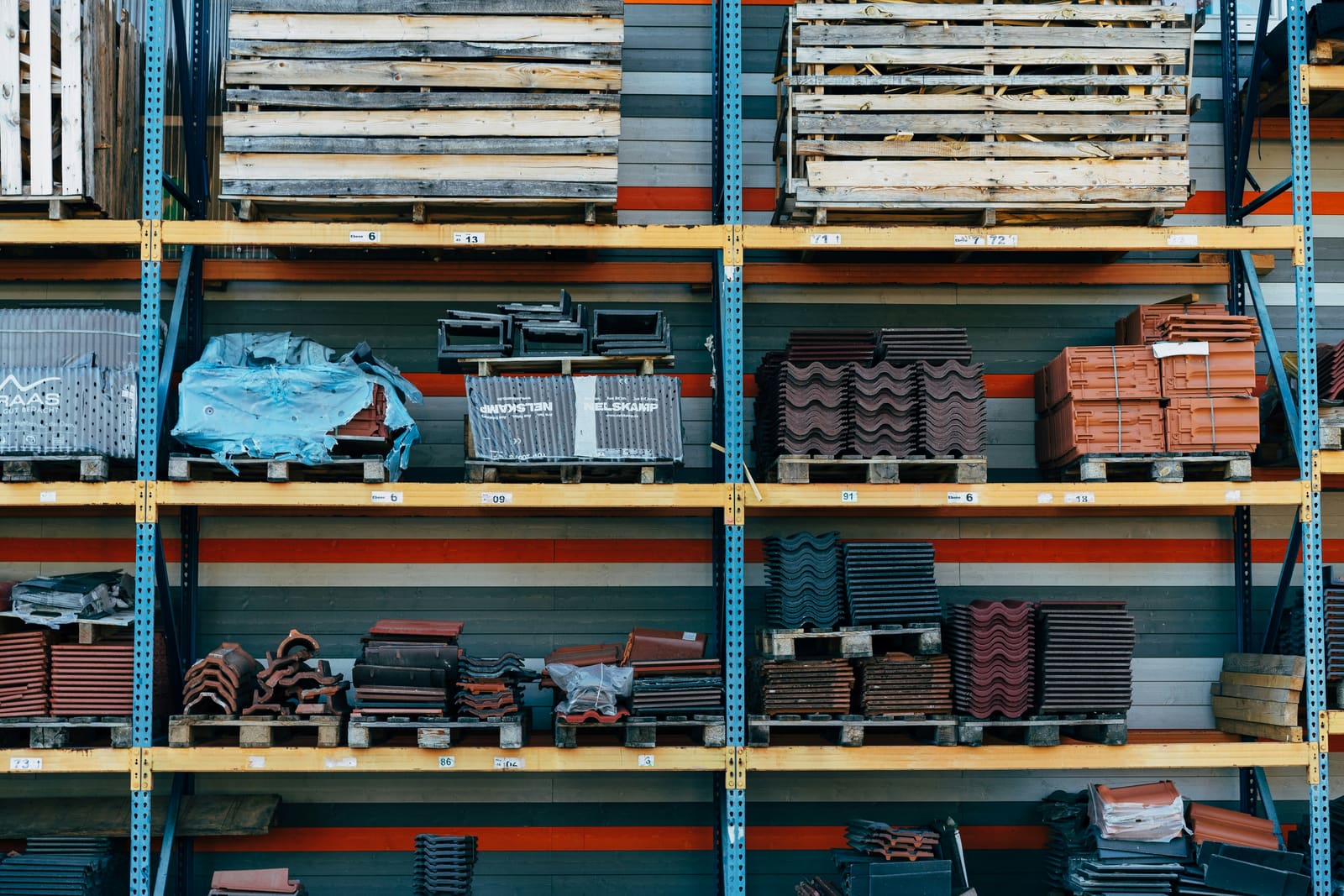 Material selection
 The driveway is drawn to specification with proper slope and connection to entry. Paving samples arrive so you can see how color and pattern work in your yard.
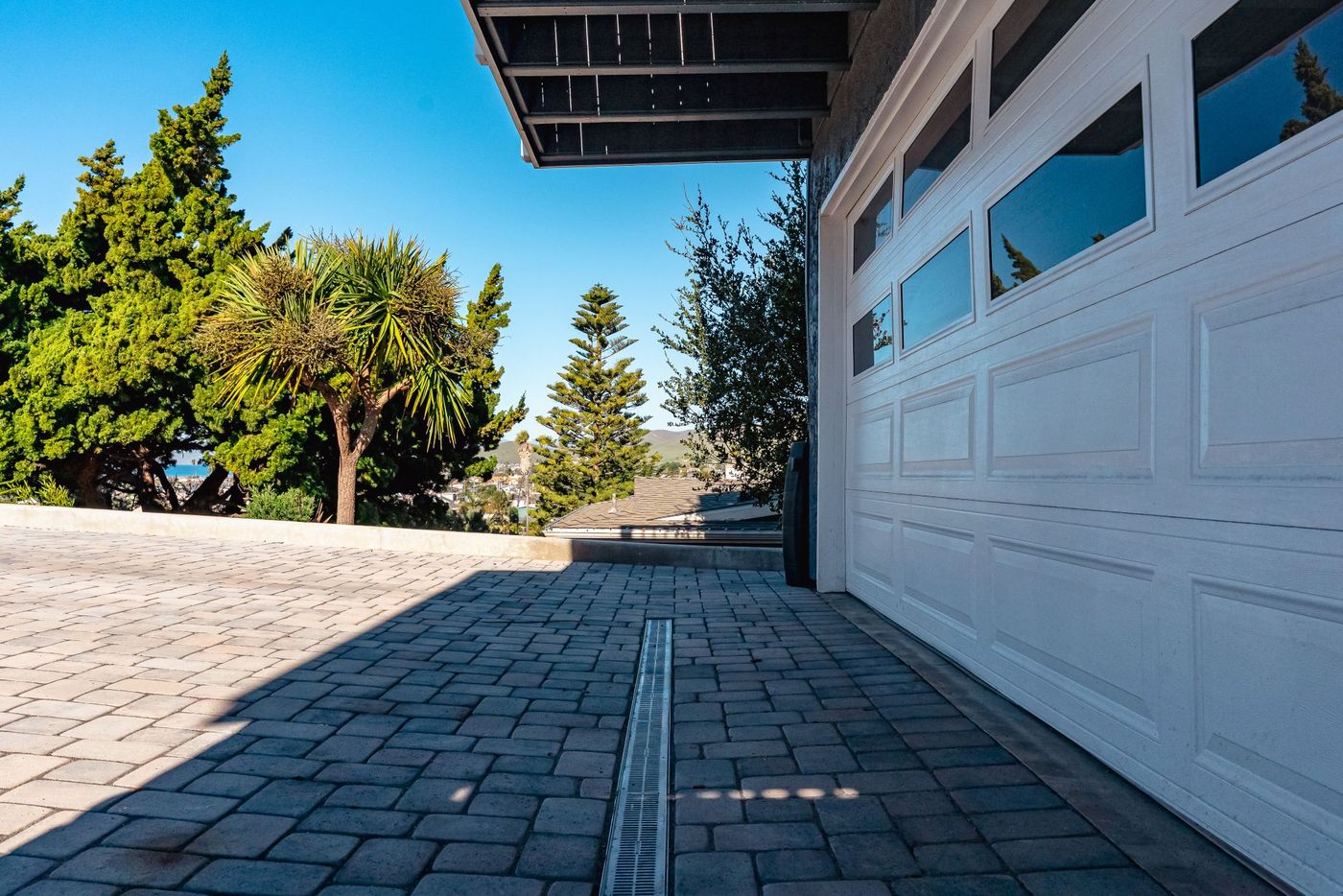 Drainage engineering
 Our in-house permitting team pulls all required permits. Driveway grades and utility locations are confirmed before excavation.
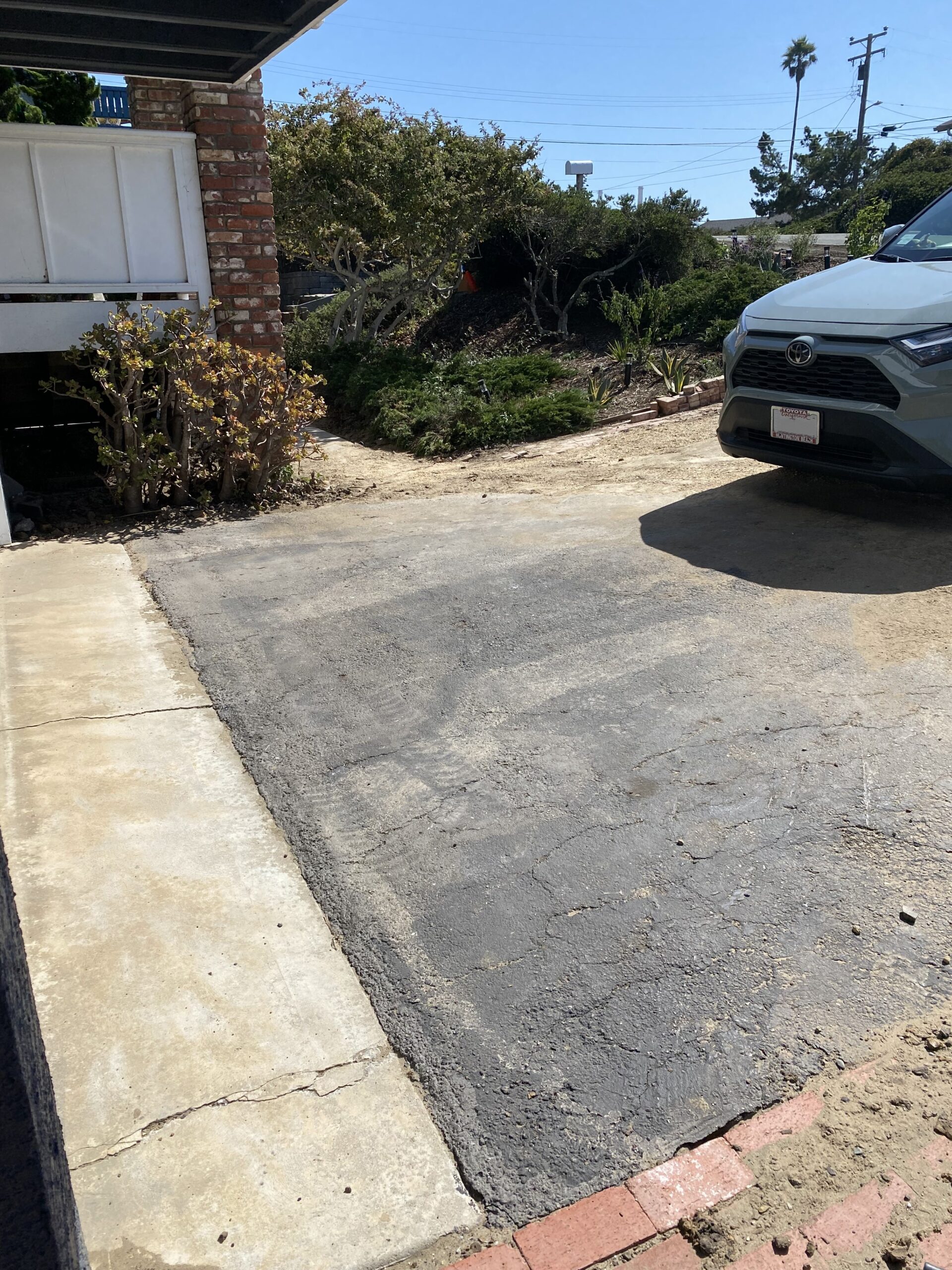 Under construction
 Existing material is removed. Grade is set to proper slope, and a compacted base of gravel and sand is installed to specification.
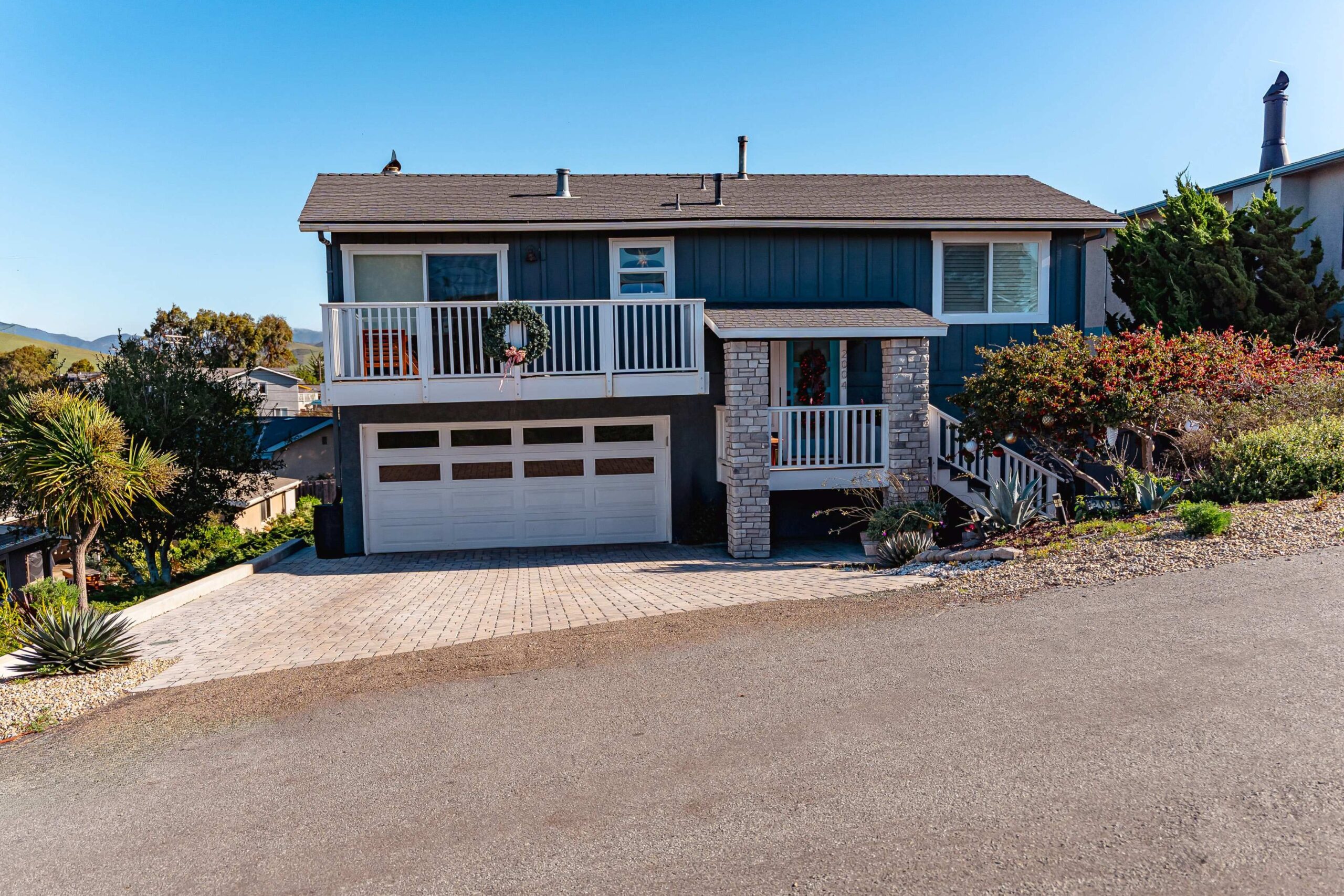 Finished
 Trained ICPI crews lay pavers to pattern. Sand is swept into joints. Edge restraints and drainage are finished to plan.
Things worth knowing before a first consultation.
Pavers cost more upfront but last longer and look better as they age. Concrete is cheaper but cracks and fades. Asphalt requires constant maintenance and rarely lasts more than five years in Southern California.
The driveway must slope away from the house. Slope also affects how water moves across the surface and into yard drainage.
Width depends on vehicle count and whether cars park perpendicular or parallel. Too narrow and regular cars hang over the edge.
Pattern affects cost and visual impact. Colors range from warm earth tones to cool grays. Pattern and color together set the look.
The driveway should connect thoughtfully to the entry walk, house entry, and surrounding landscape.
Lights and irrigation lines can run under the driveway base. Deciding this in design prevents costly retrofits.
No quote written off a photograph can account for what your property is like.
Decking, drainage, utilities, planting, shade and lighting all bear on where a feature goes and how it gets built. Settling them on one set of drawings is what keeps conduit out of the wrong trench and stops paving being cut to fit afterward.
Access, engineering, permits, finishes and scope vary a lot from one property to the next, so the investment and the schedule for your project are set once we have seen the site and the design is settled.
Tell us about the property and what you want the space to do. We will walk through the design, site and permitting factors likely to shape it.
They replaced my old driveway and a side patio. That was 6 years ago and the work still looks new. They came in and did the job in a couple days less than they predicted. Clean up was done perfectly.
Everyone involved from the demolition to repairs to stone installation was outstanding, professional, and moved with real urgency. No blue prints to follow and everyone doing their best to make this project come together.
Properly installed interlocking pavers last 25 to 50 years or more. Individual stones can be replaced without affecting the whole driveway, so maintenance is easy and cost-effective.
Paving stones cost more initially than concrete but last longer, maintain their color, and require less maintenance. Over 25 years, they are usually more cost-effective than concrete or asphalt.
Yes, and it should be. A 1 to 2 percent slope (about 1 inch per 8 feet) is typical. Proper slope directs water away from the house.
Proper base preparation is key: excavation, gravel compaction, sand layer, precision paver placement, polymeric sand in joints, and edge restraints. We follow ICPI standards.
Not all estimates represent the same scope or level of craftsmanship. Compare materials, construction methods, specifications, allowances, and overall project completeness, not just the final price. A low number built on vague allowances tends to come back later as change orders. Estimates priced from a measured, detailed design are the easiest to compare line for line.
The most common landscape contractor red flags are unclear estimates, unrealistic promises on price or schedule, poor communication, a license that cannot be verified, and few examples of completed work. A professional relationship should begin with clear expectations, an understandable process, and mutual trust.
Schedule a consultation with one of our designers to discuss your project goals and explore what's possible on your property.
What happens next: we set up a visit, measure the property and talk through what you want the space to do. Then you get a design to look at before you commit to anything.