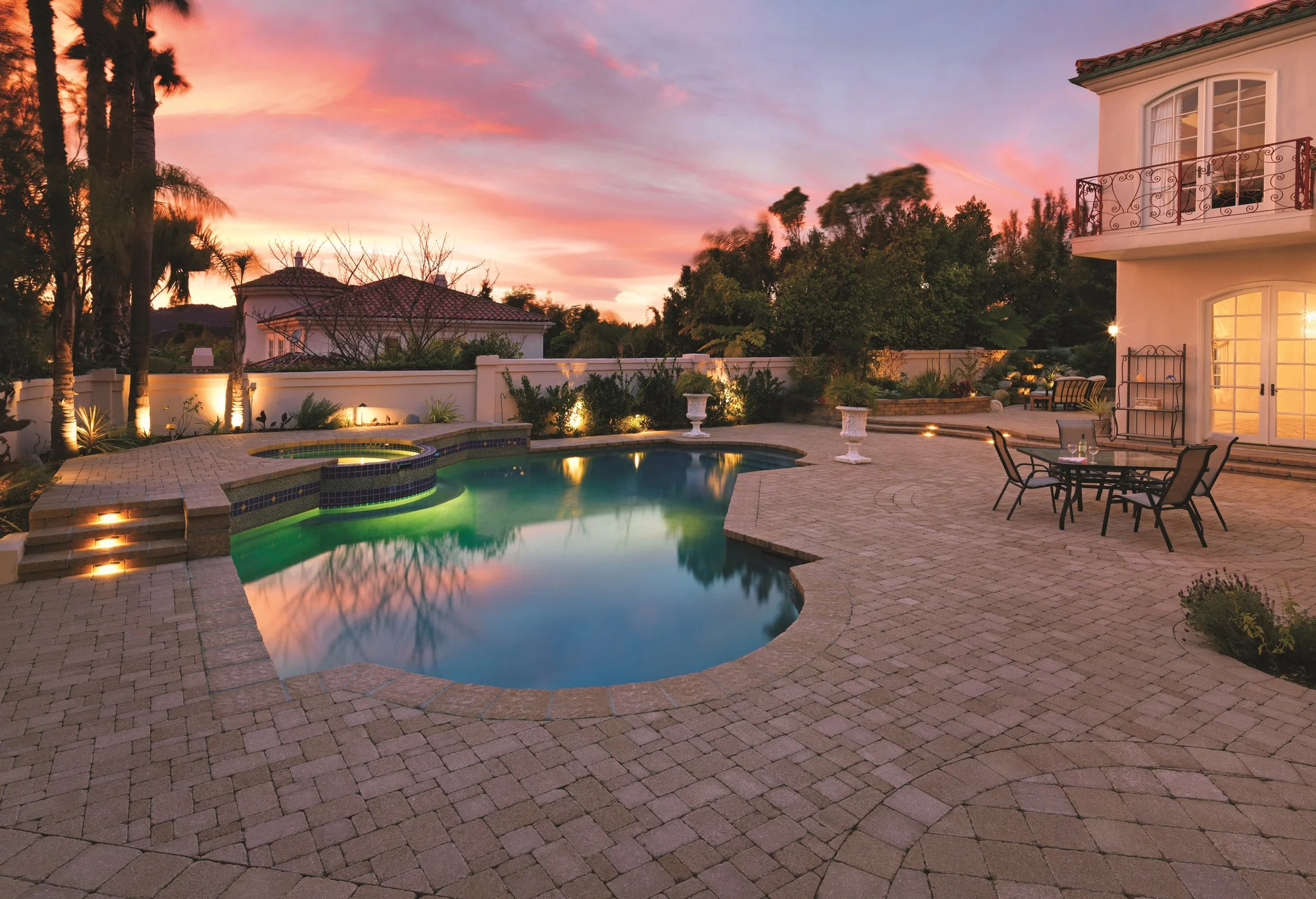
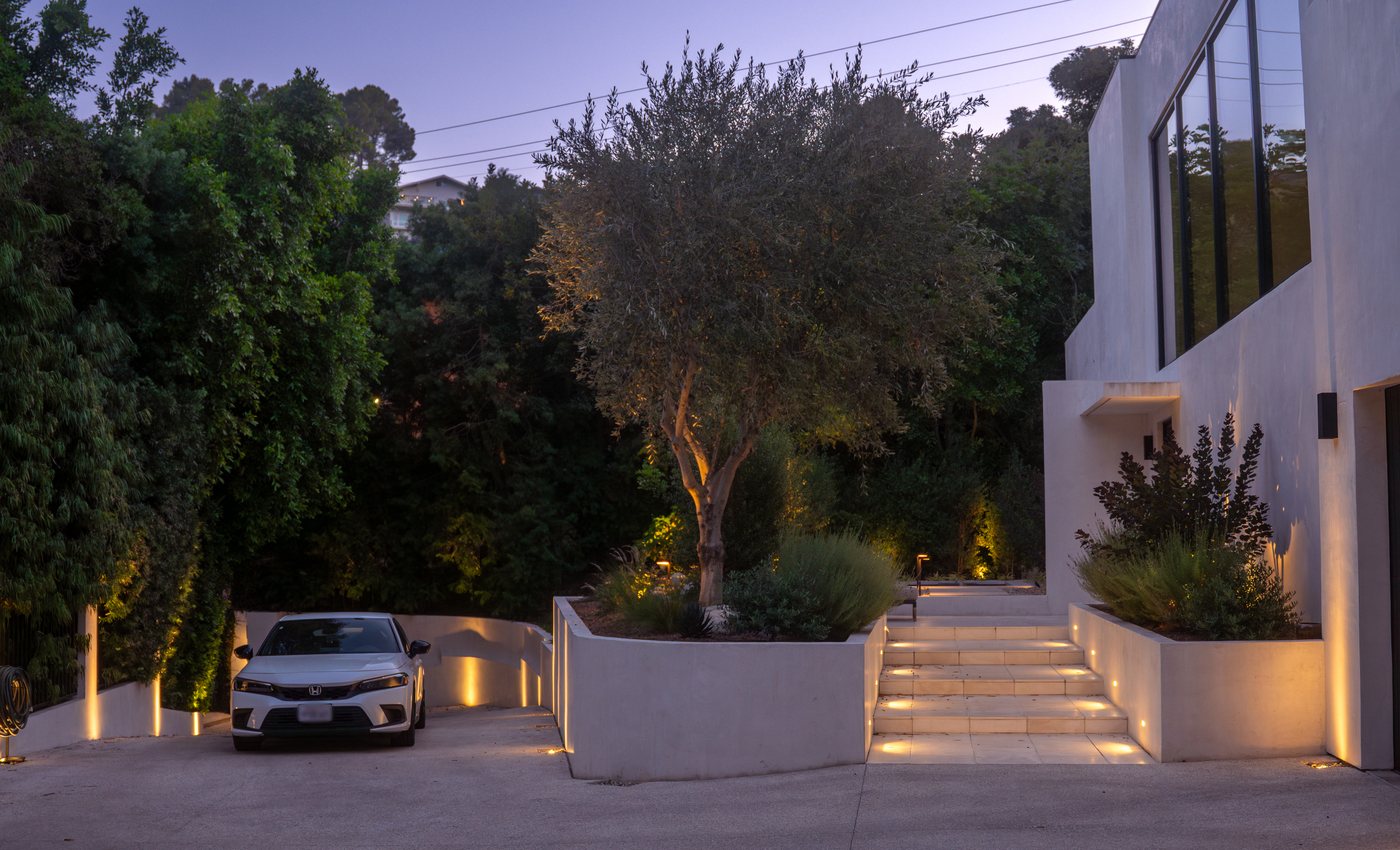
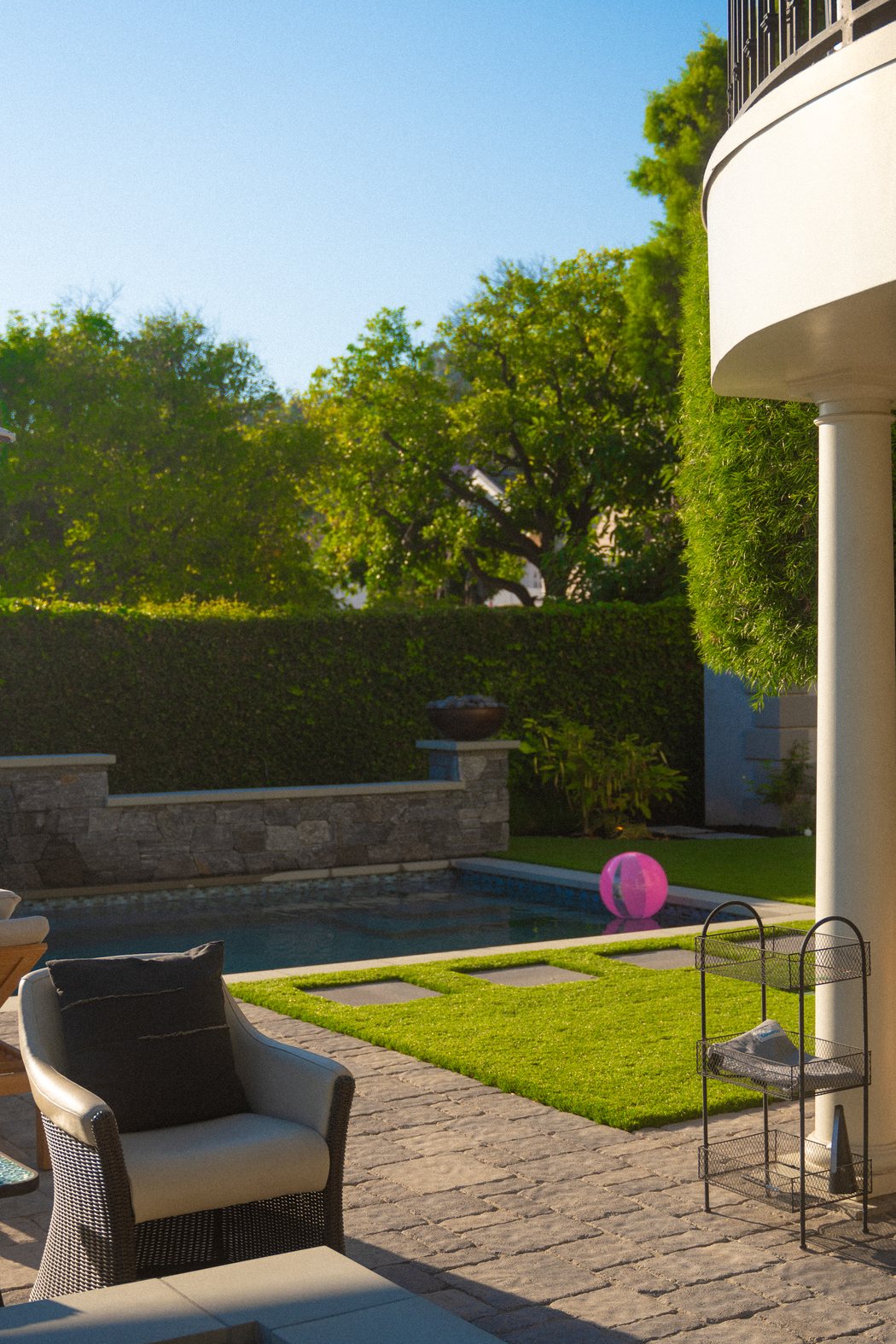
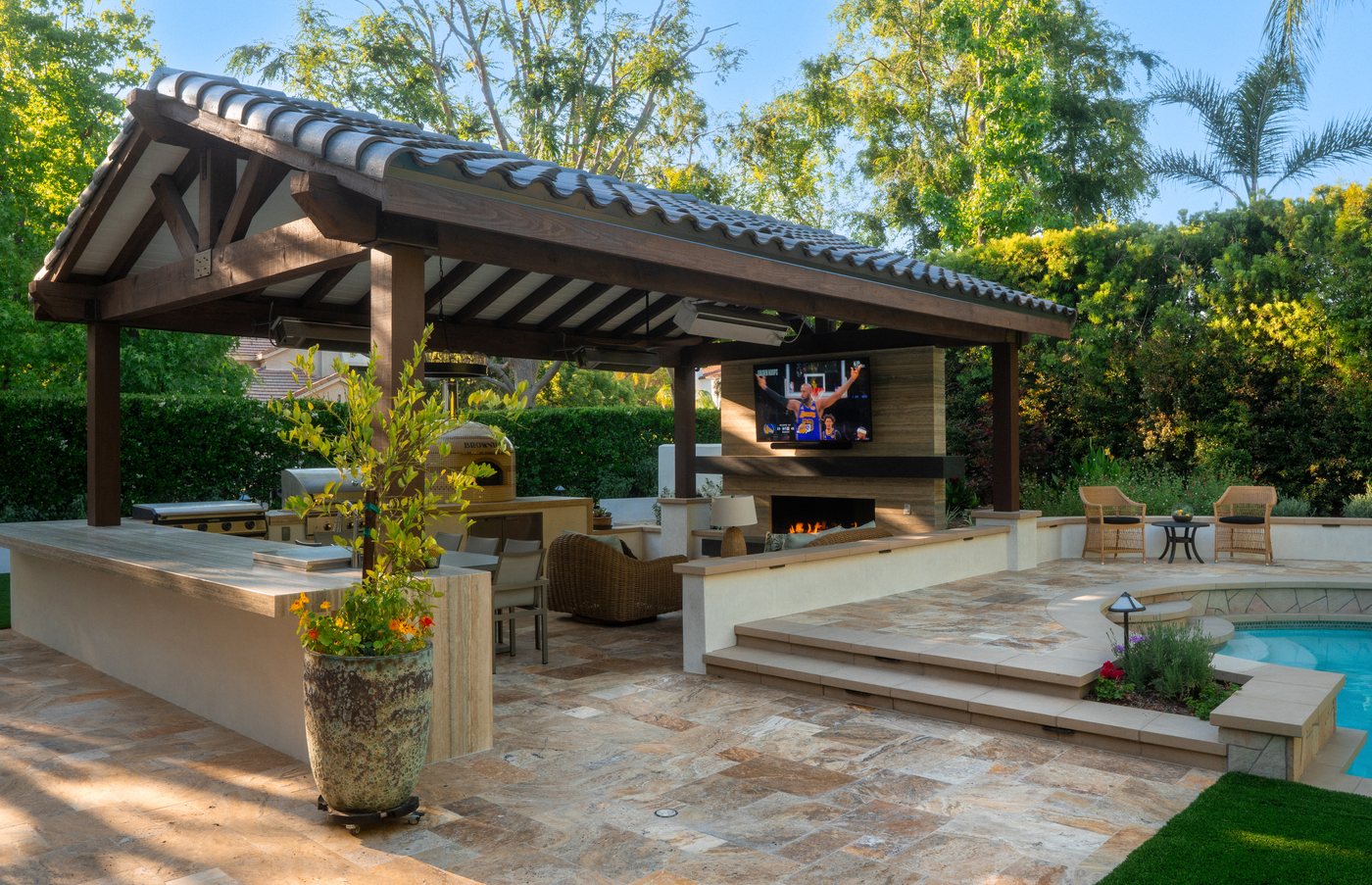
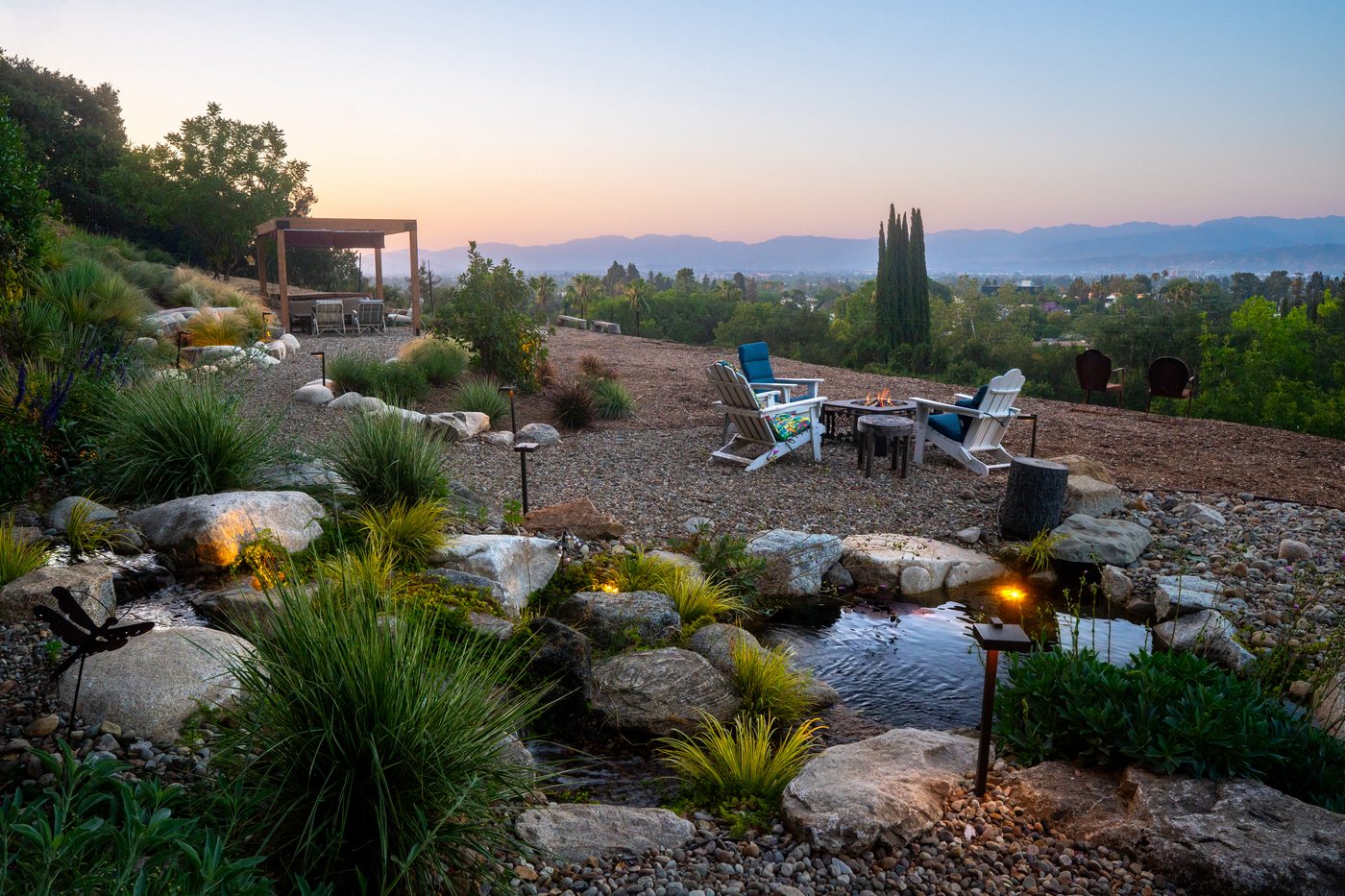
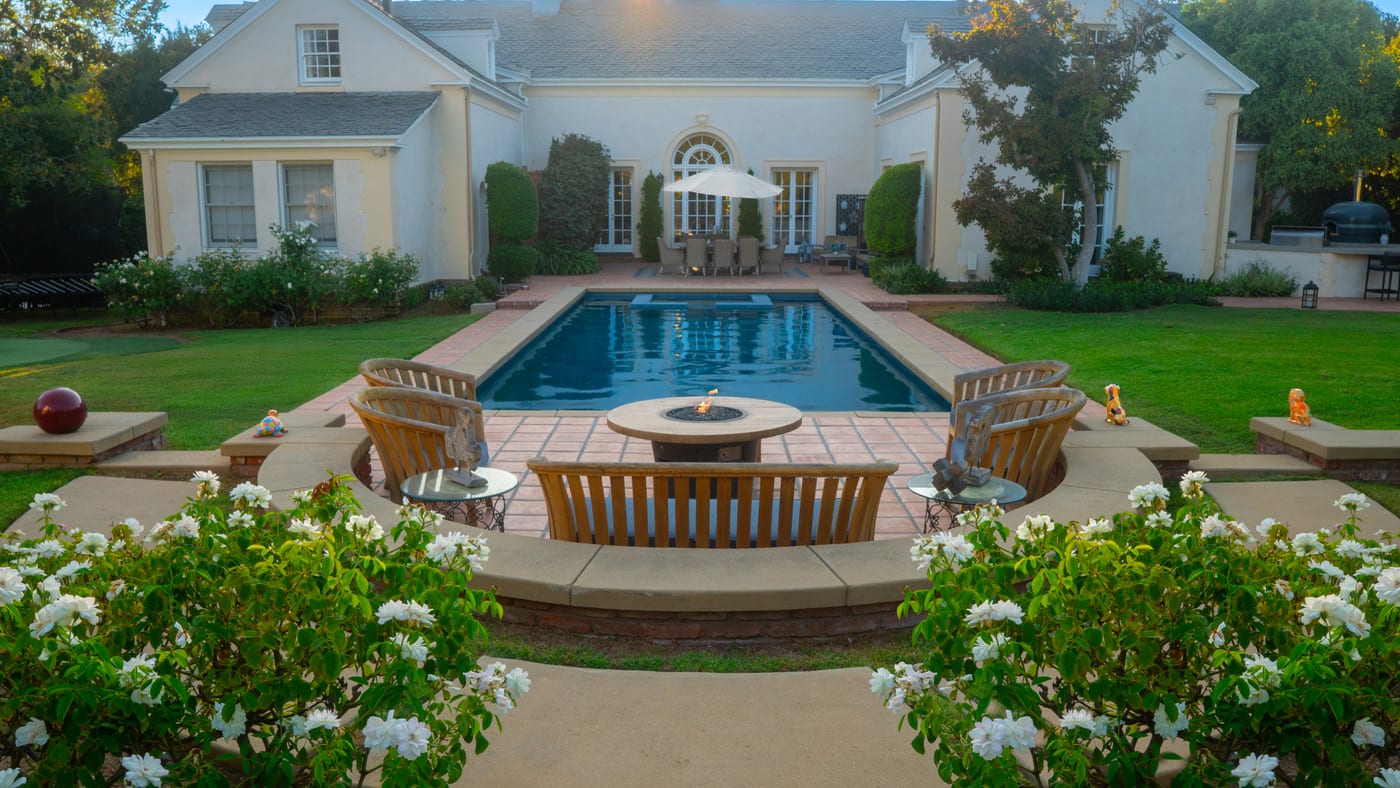
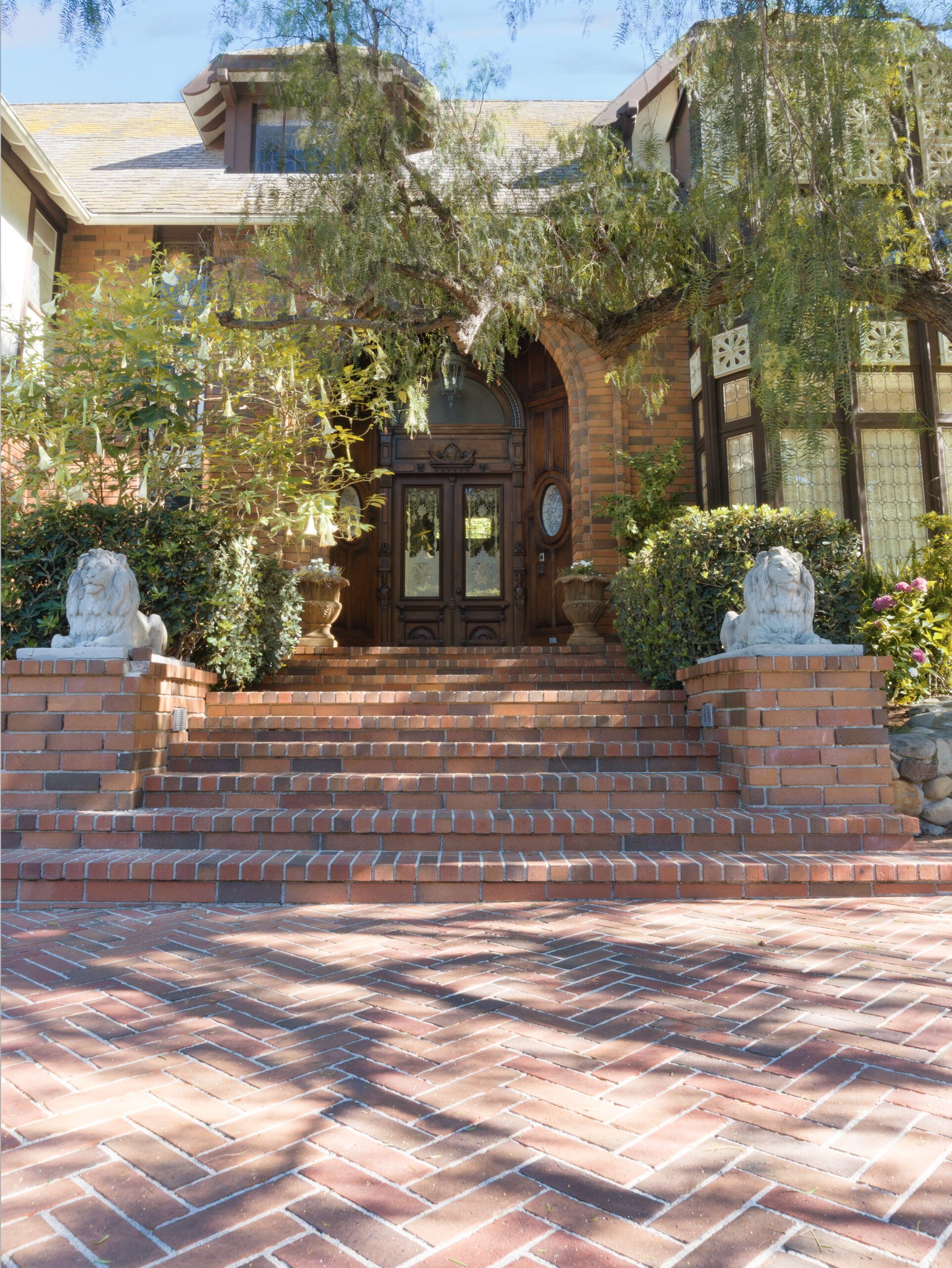
A mature landscape with layered plantings framing a home

Landscape Design

Landscape Design That Frames Your Outdoor Living

Landscape design ties the hardscape, water features, and structures together. Trees, shrubs, and perennials complete the property design and make outdoor living a year-round experience. We design landscapes that look good as they mature, not just on planting day.

Service options

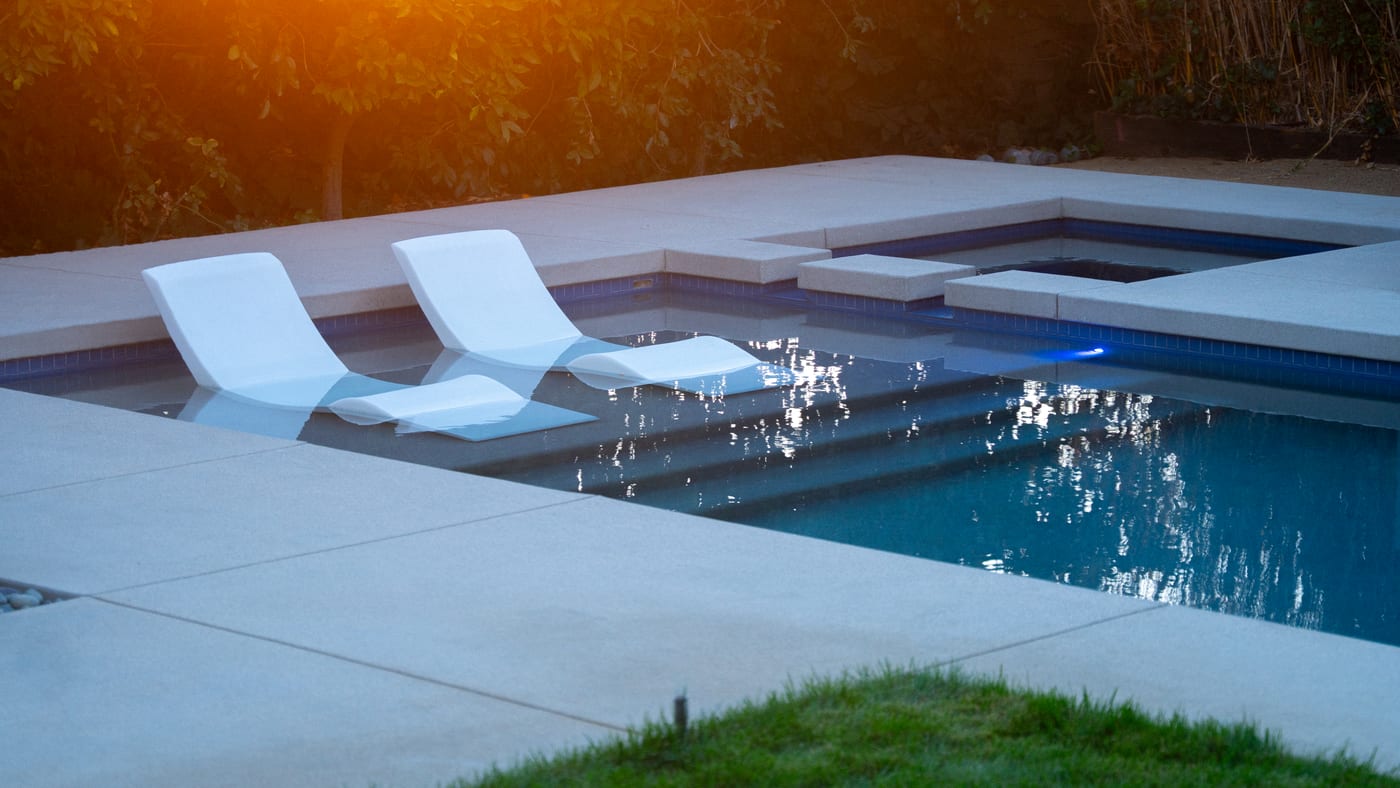
Geometric pool and raised spa with a turf-grid paver patio, overlooking a city skyline at dusk

Contemporary Landscapes

Best for Modern homes and anyone who values clean, architectural plant design.

  • Clean lines and architectural planting
  • Limited color palette (often green and silver)
  • Sculptural plants and forms
  • Integrated hardscape and planting
  • Low maintenance

On your property Works with modern homes and pared-down palettes. Often features grasses, architectural evergreens, and minimal flowering plants.

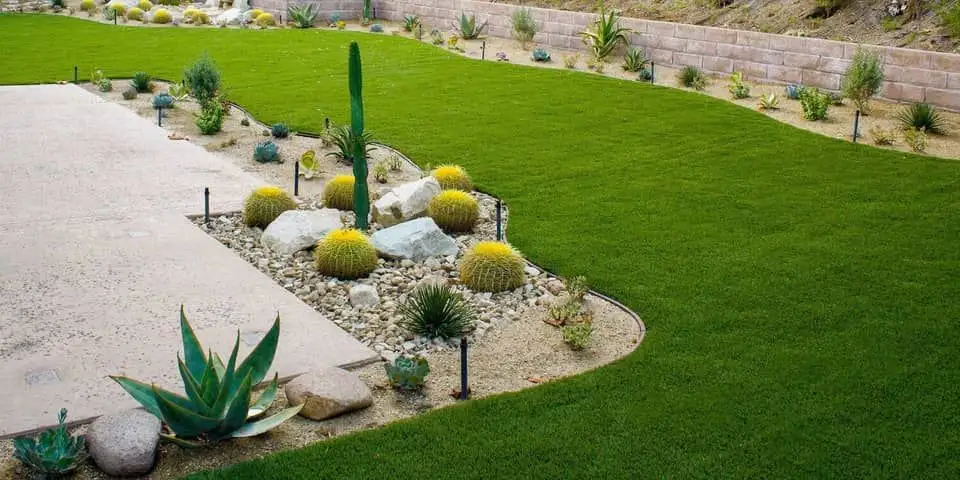
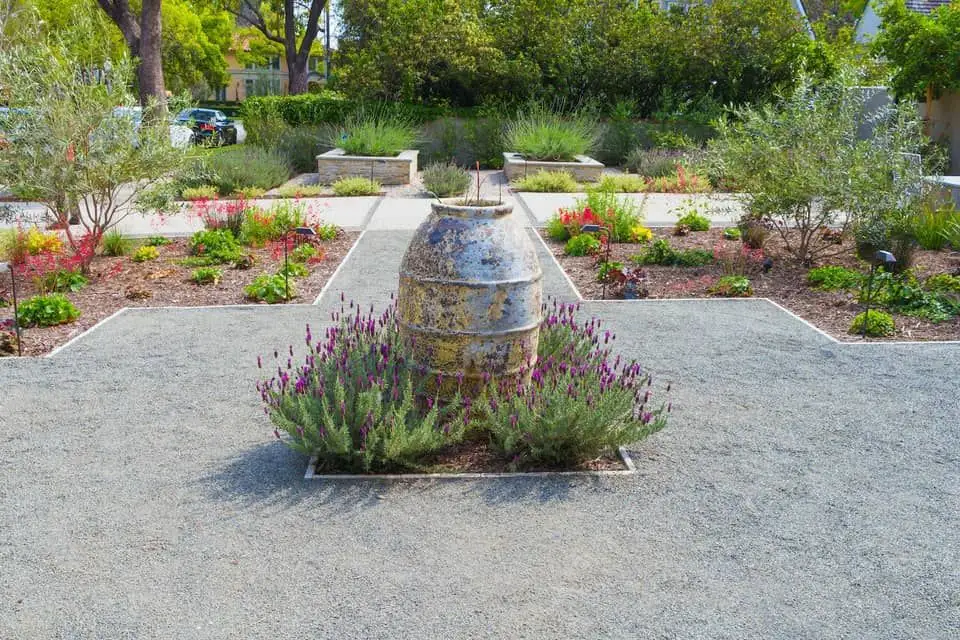
  • Modern hardscapes
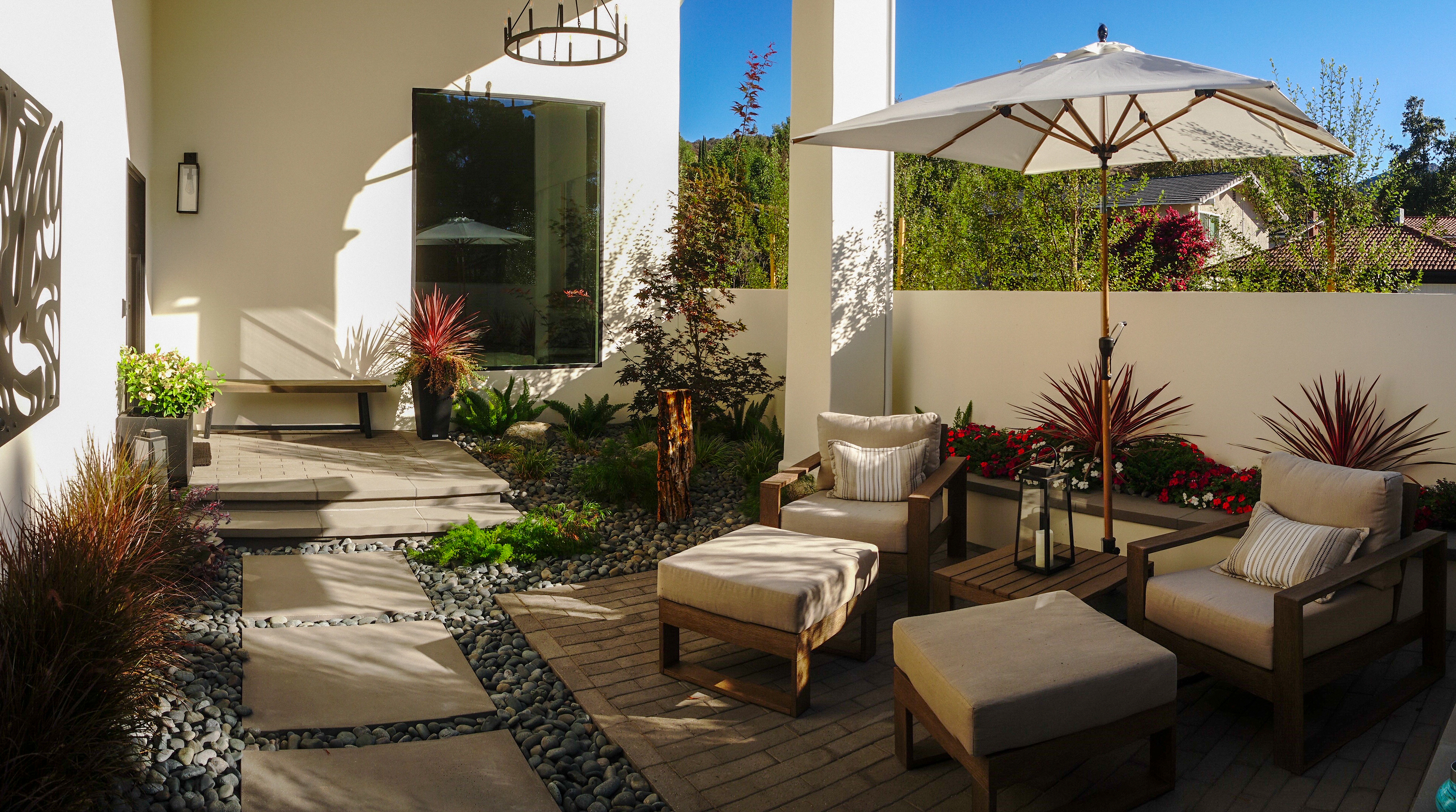
  • Minimalist entry
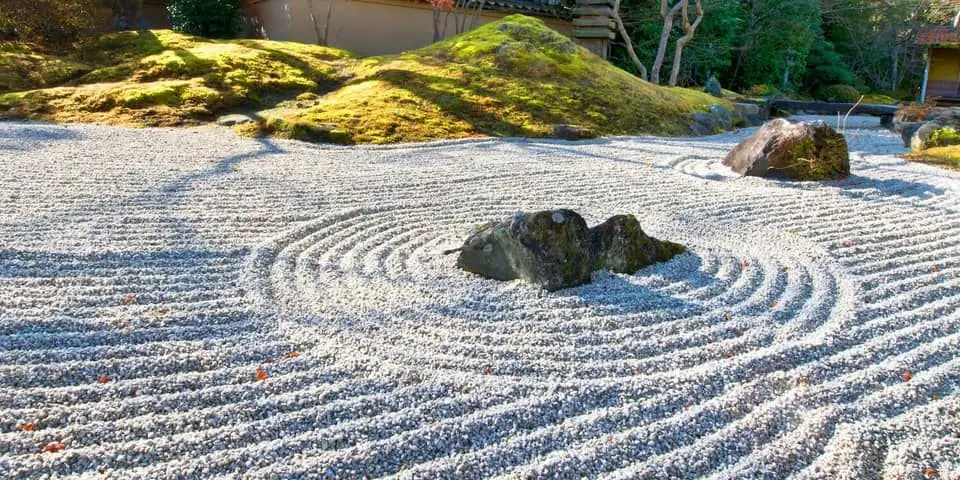
  • Zen gardens
  • Sustainable planting

Complete Residential Landscape

Los Angeles Area

A complete landscape design showing layering and integration

Shown: Complete Residential Landscape, Los Angeles Area

How we work

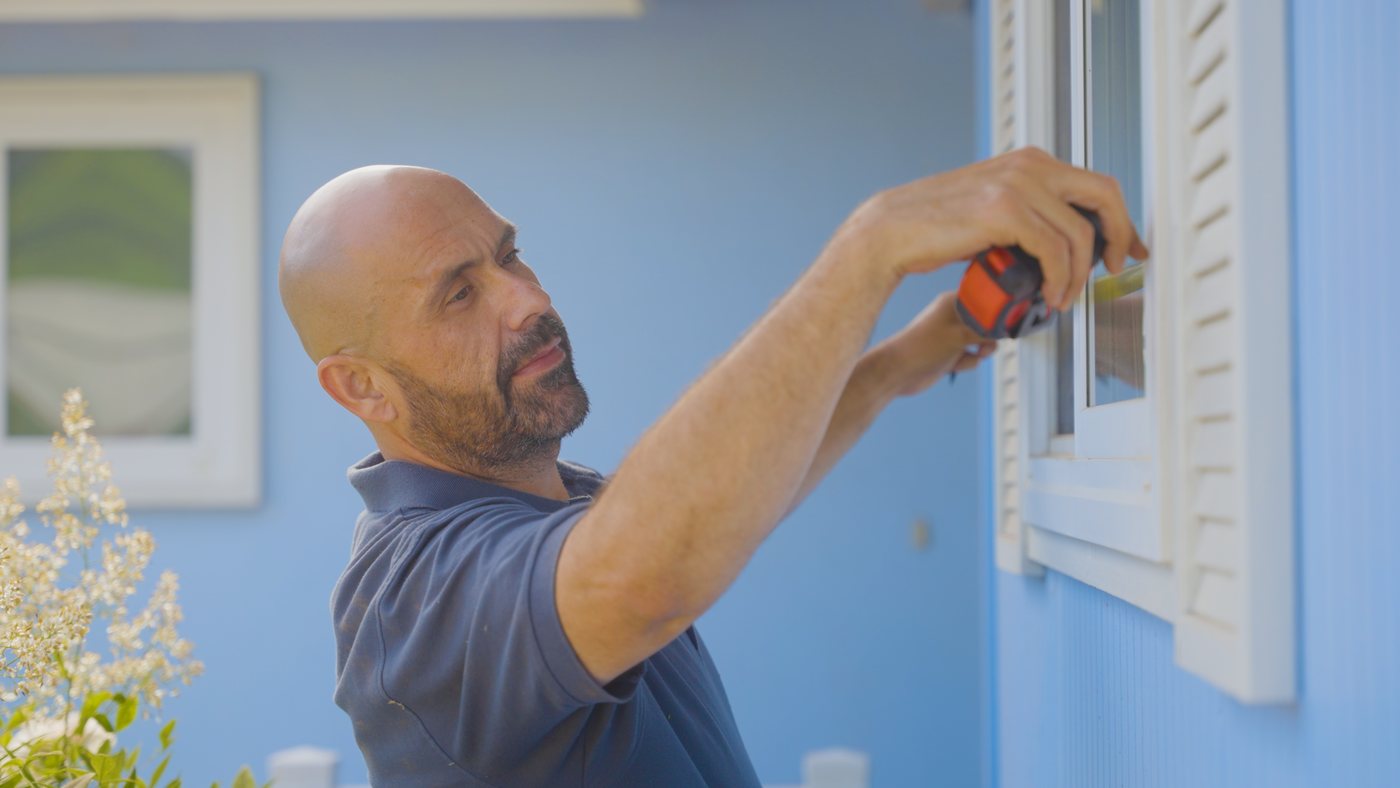
  1. A member of the site analysis team examining exterior building details as part of assessing the property Before

    Site analysis and existing conditions

    We assess sunlight, drainage, existing trees, soil, views, and climate. This determines what will thrive on your property.

  2. Plant and material samples on display Design

    Design and style selection

    We present concepts: contemporary, traditional, or native. Sketch plans show layout, scale, and integration with hardscape.

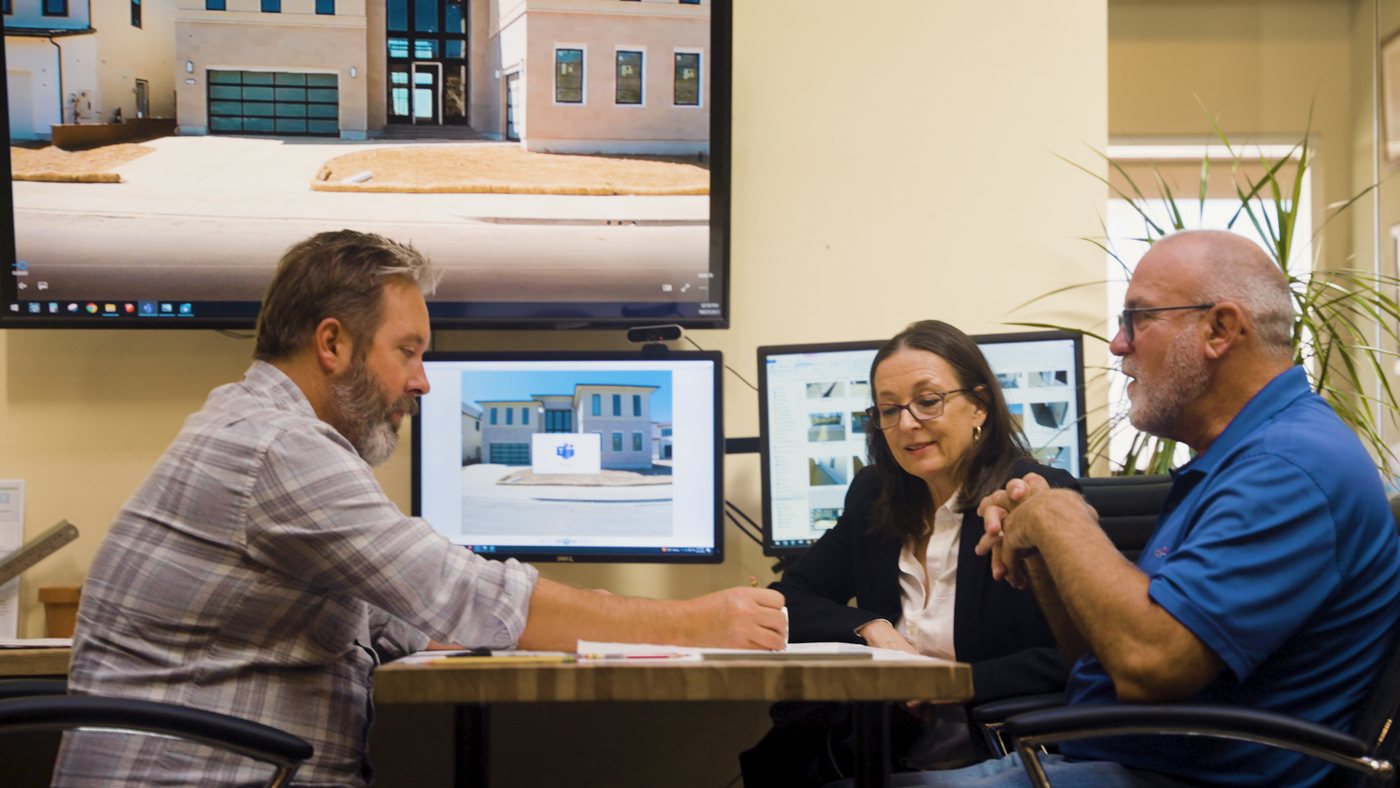
  3. Designer and clients reviewing 3D property renderings together at a design consultation meeting Selection

    Plant selection and specification

    Trees, shrubs, and perennials chosen for your climate, sunlight, and design style. Mature sizes considered, not nursery pot size.

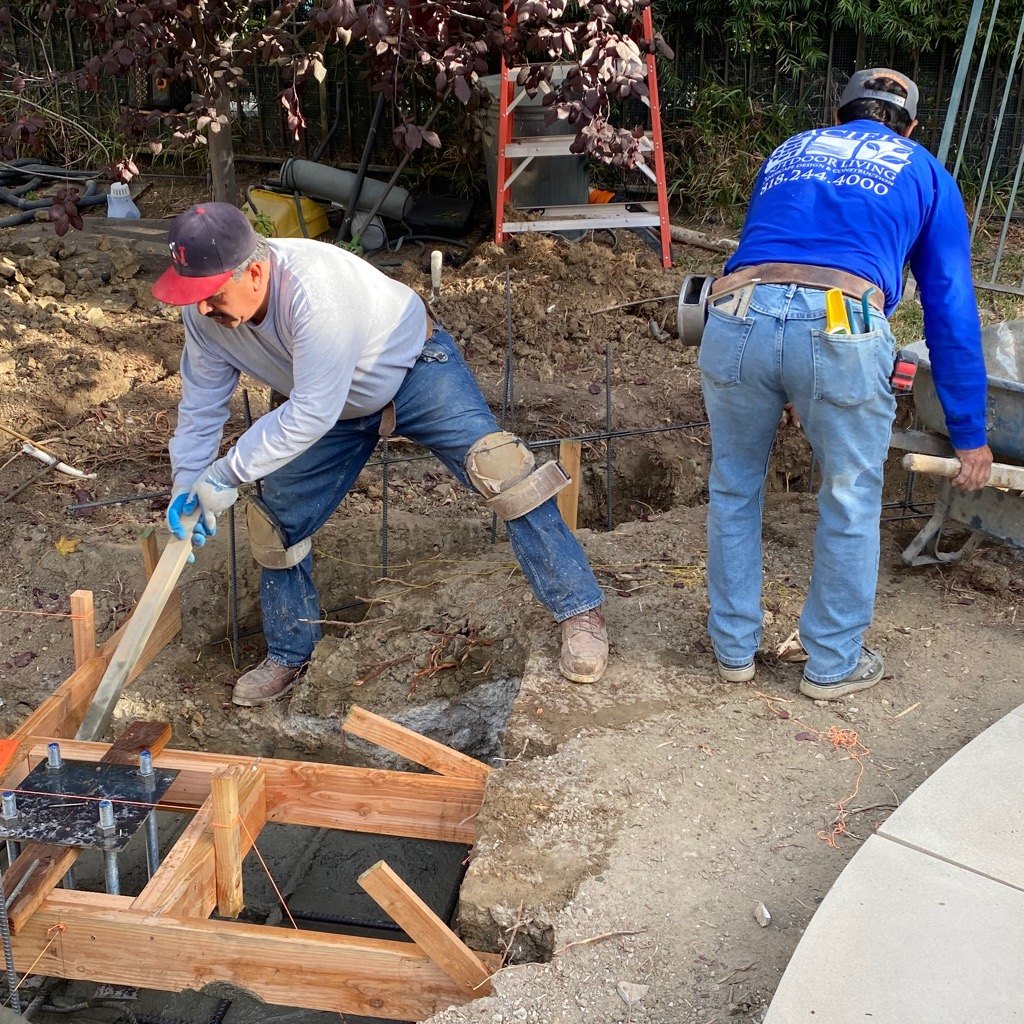
  4. Pacific Outdoor Living crew members preparing rebar and concrete forms during site construction Installation

    Soil preparation and planting

    Site grading, soil amendment, and proper planting. Large trees and shrubs installed to specification for health and longevity.

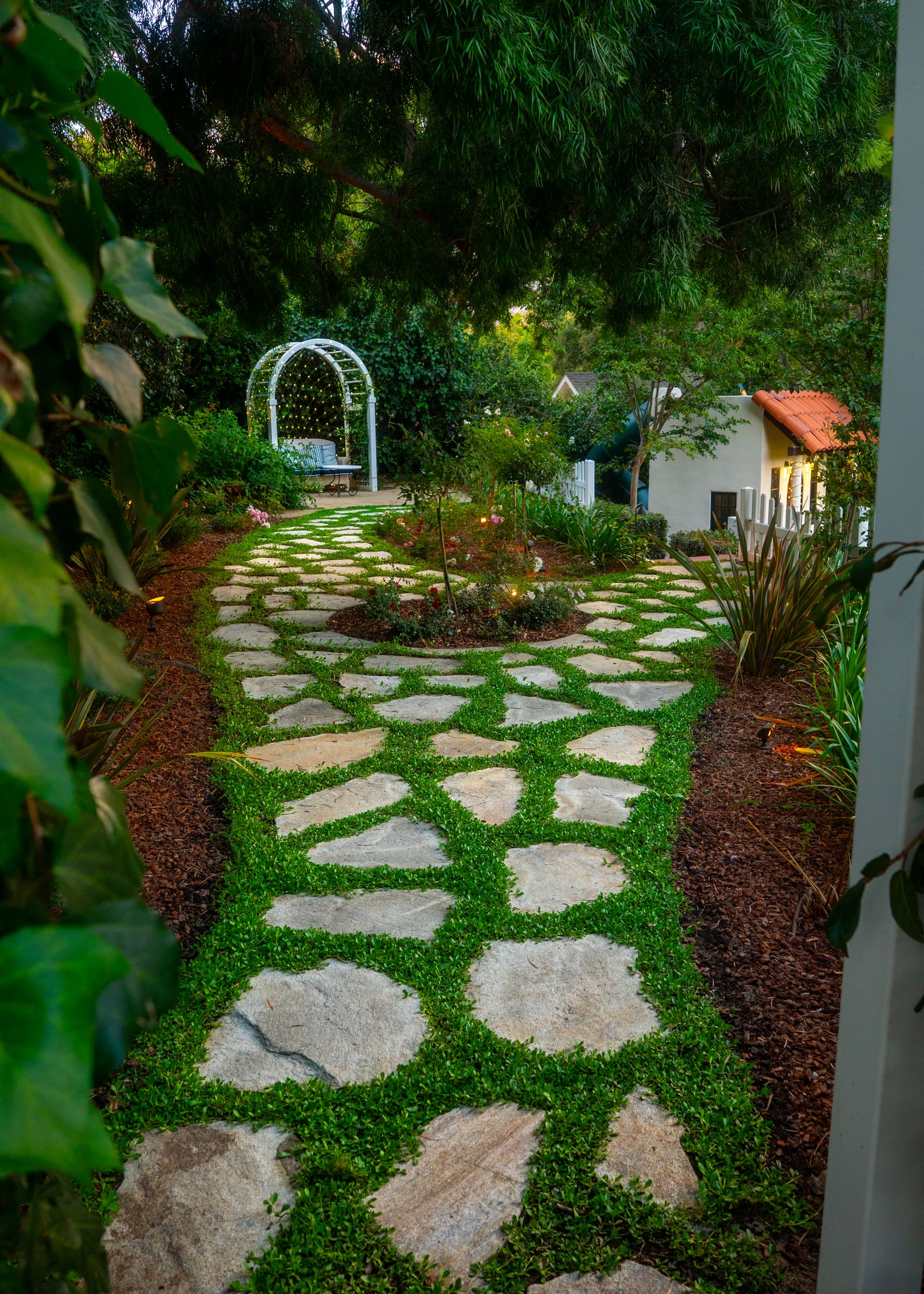
  5. A flagstone garden path bordered by roses and kurapia groundcover leading to a lit rose trellis Established

    Establishment and care

    First-year irrigation, mulching, and pruning ensure plants establish. We provide care instructions for long-term success.

Key decisions

Things worth knowing before a first consultation.

  • Style: contemporary, traditional, or native

    Each style has distinct plant palettes, color ranges, and maintenance needs.

  • Shade and privacy priorities

    Affects tree species, evergreen screening, and tall shrub selection.

  • Water and maintenance level

    Native landscapes are lower water; traditional landscapes need more watering and deadheading.

  • Seasonal interest

    Do you want year-round color, or are you happy with evergreens?

  • Integration with hardscape

    Planting should complement patios, pathways, and structures, not fight against them.

  • Mature tree strategy

    Existing trees may be worth preserving. New trees should be chosen for long-term value and shade.

Investment and timeline

No quote written off a photograph can account for what your property is like.

What shapes the investment

  • Landscape style chosen (contemporary, traditional, native)
  • Size of planting area
  • Tree and shrub sizes and quantities
  • Soil preparation and amendment required
  • Integration with hardscape and irrigation

What shapes the schedule

  • Design and plant selection
  • Planting season (best in fall and spring)
  • Site preparation and grading
  • Plant availability and ordering
  • Weather and establishment period

Why complete residential landscape was drawn together with the rest of the property

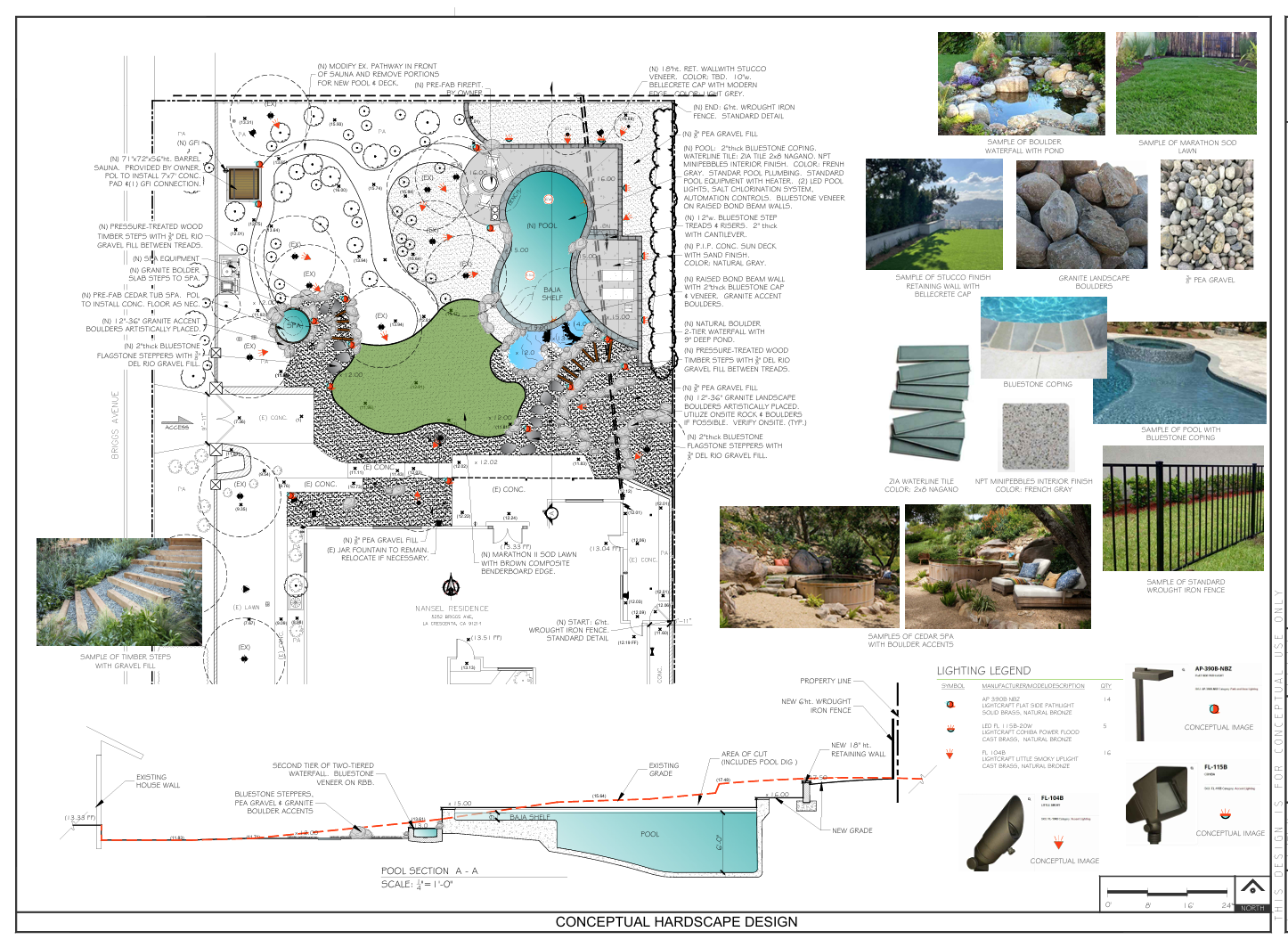
Decking, drainage, utilities, planting, shade and lighting all bear on where a feature goes and how it gets built. Settling them on one set of drawings is what keeps conduit out of the wrong trench and stops paving being cut to fit afterward.

  • Privacy and screening Tall evergreens and shrubs screen from neighbors and streets.
  • Shade and comfort Trees positioned to provide summer shade over patios and seating areas.
  • Foundation integration Planting complements the home architecture and hides foundation.
  • Color and seasonal interest Plants chosen to provide year-round visual interest.
  • Drainage and health Proper grading and soil ensure plants thrive in Southern California climate.
Conceptual hardscape design plan for the Nansel Residence, showing pool layout, planting, material samples and a lighting legend
The design sheet: layout, drainage, planting and lighting
The same yard built: Complete Residential Landscape, Los Angeles Area

Access, engineering, permits, finishes and scope vary a lot from one property to the next, so the investment and the schedule for your project are set once we have seen the site and the design is settled.

Tell us about the property and what you want the space to do. We will walk through the design, site and permitting factors likely to shape it.

What customers say

  • The landscape completely transformed our property. It looks mature and established, and the plants are thriving. They gave us care instructions and follow-up support.

    Satisfied Homeowner Google review · 1 year ago Complete landscape design and installation
  • Professional design, excellent plant selection, and skilled installation. Our yard has never looked better. Worth every penny.

    Verified Client Google review · 2 years ago Landscape renovation

Read all Pacific Outdoor Living reviews on Google

Frequently asked questions

How long does a landscape installation take?

Design typically takes 2-4 weeks. Planting takes 1-2 weeks depending on size. Most landscapes reach maturity in 2-3 years as plants grow.

What is the best time to plant?

Fall (September-November) and spring (February-April) are ideal in Southern California. Summer heat stresses new plants.

How much water do newly planted landscapes need?

New plantings need regular water the first year. Native and drought-tolerant landscapes need less. We provide irrigation guidance.

Can I add more planting later?

Yes. Most landscapes can be expanded or refreshed as your needs change. Good design accommodates future growth.

Ready to get started?

Schedule a consultation with one of our designers to discuss your project goals and explore what's possible on your property.

What happens next: we set up a visit, measure the property and talk through what you want the space to do. Then you get a design to look at before you commit to anything.