
Mediterranean Landscape Design and Buildfor California Living
Warm materials, shaded gathering spaces, expressive tile, and climate-conscious planting come together in an outdoor environment designed around the way you live.
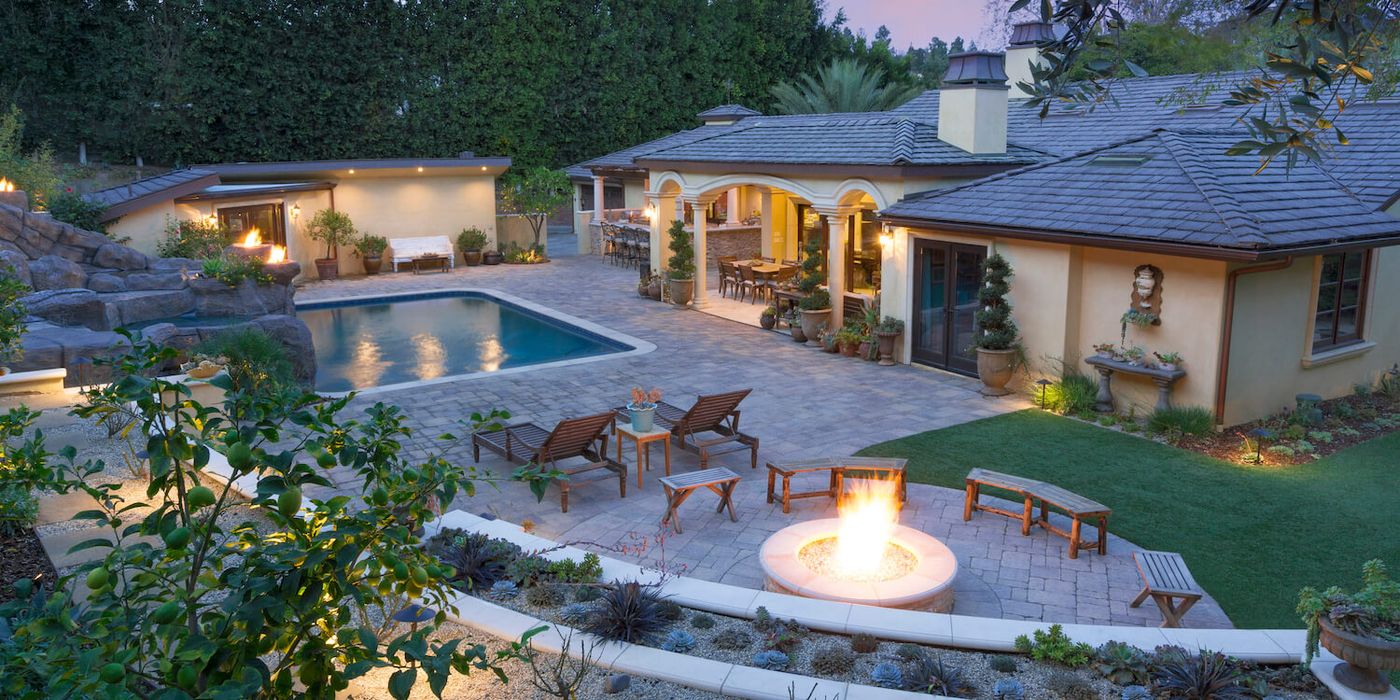
The Mediterranean Style
Bring the beauty of the Mediterranean to your own backyard
Mediterranean landscape design borrows its bright color, terracotta, and water features from towns along the Mediterranean Sea. California's climate, warm and dry through summer, mild and wet through winter, is close enough to that region's own that the style translates here more naturally than almost anywhere else in the country.
It's a style built around indoor-outdoor living: a shaded pergola off the kitchen, a courtyard that works as a second living room, a fountain quiet enough to sit next to. Formal near the house, looser and more rustic as it moves toward the edges of the property.
Signature Elements
The details that make a landscape read as Mediterranean
A few materials and forms repeat across almost every Mediterranean landscape. Used together, and used with restraint, they give a property the sense of a place that has stood for a while rather than one built all at once.
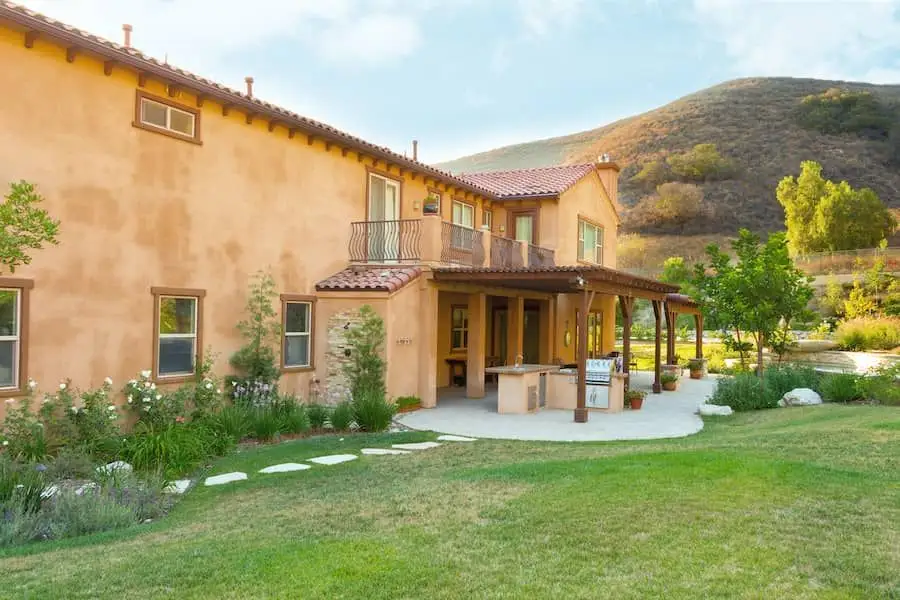
Plaster Walls
Smooth, warm-toned plaster along the house and garden walls is the material most responsible for a Mediterranean property's overall color and texture.
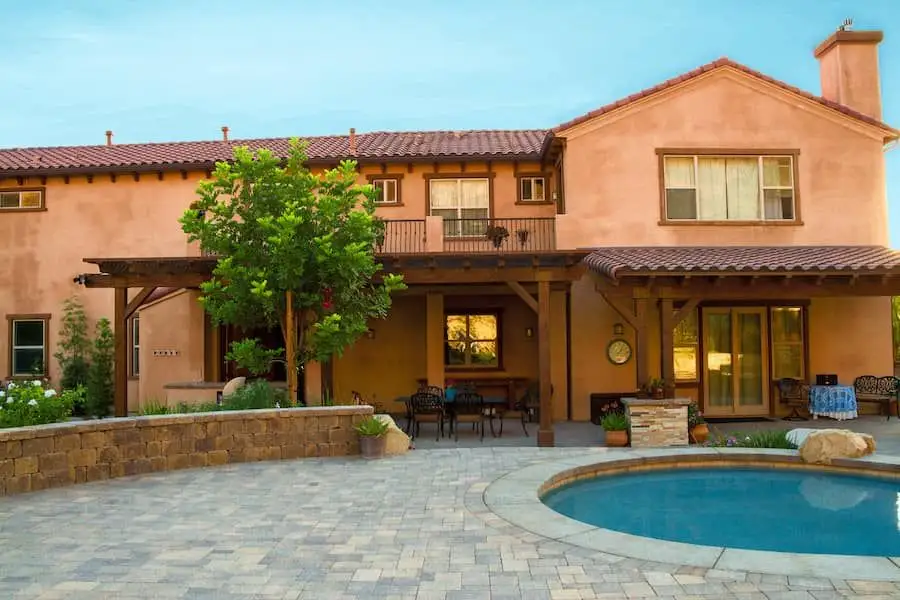
Tiled Rooflines
Terracotta roof tile is one of the clearest architectural markers of the style, and it sets the palette everything else in the yard gets built around.
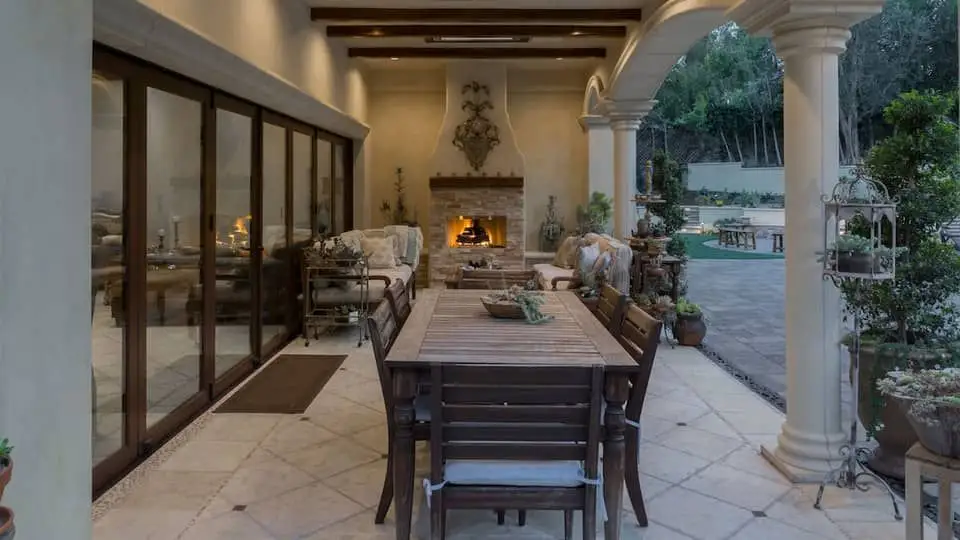
Wood-Beamed Shade
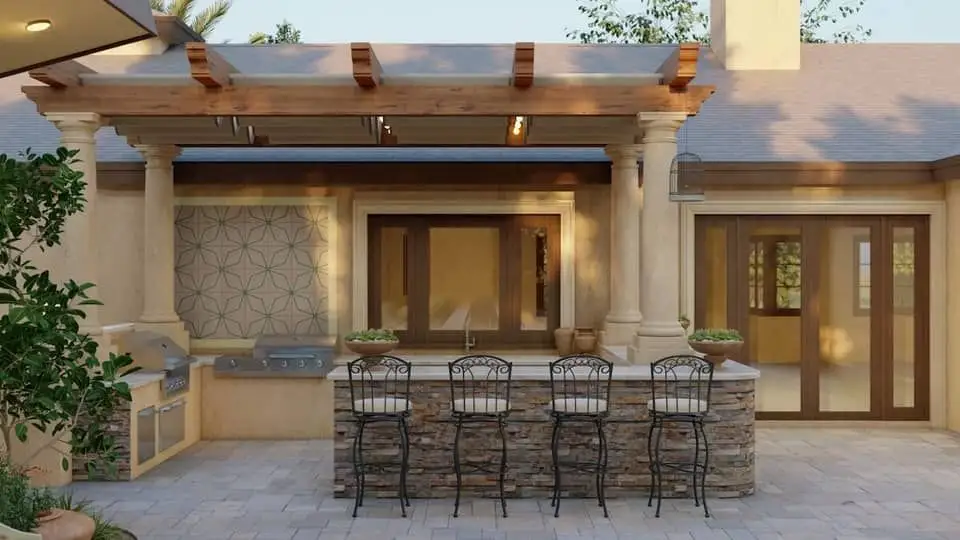
Exposed wood ceiling beams over a covered patio give a gathering space overhead structure and shade without closing it in, and they age into the landscape rather than sitting apart from it.
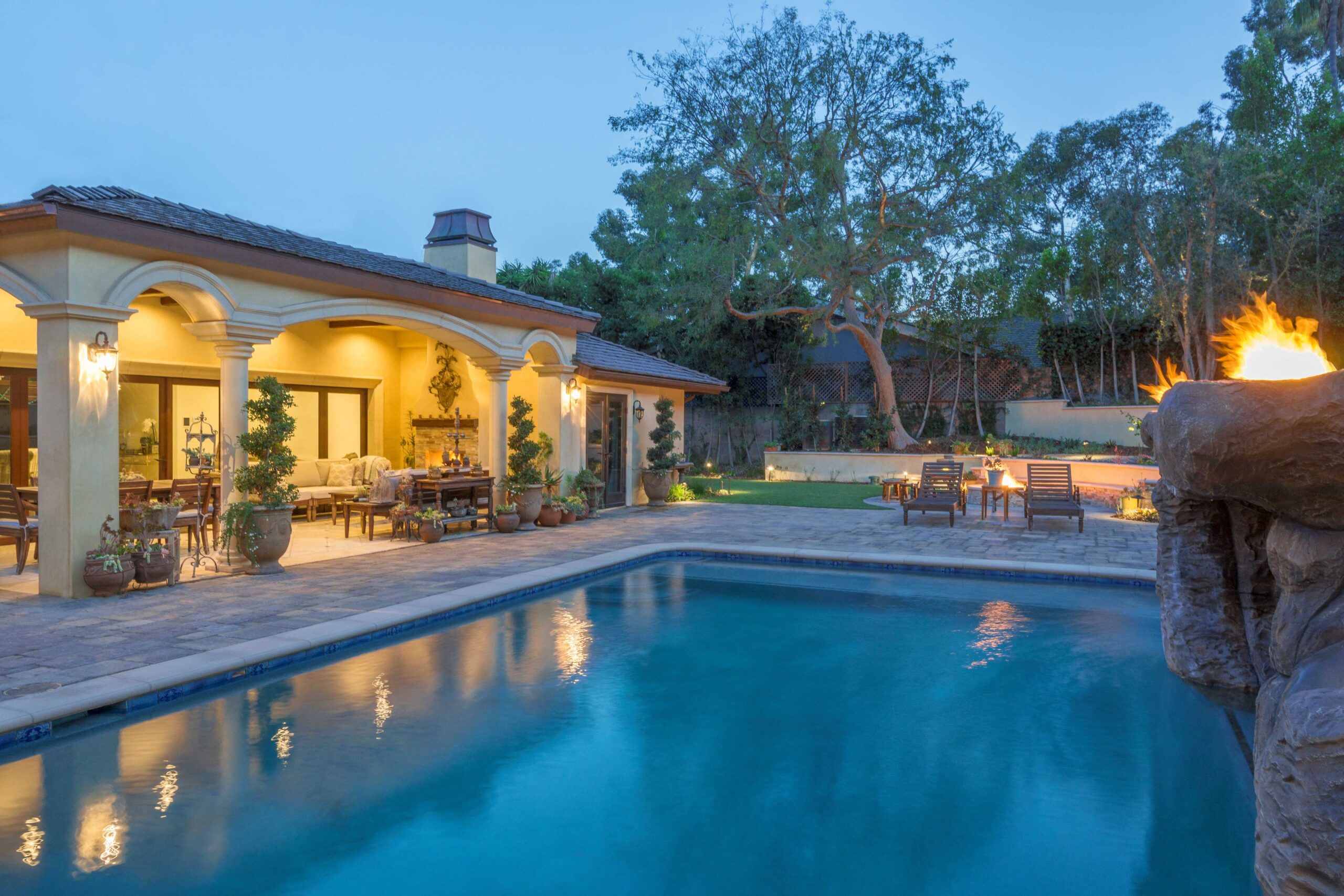
Classical Columns
Columns support a covered patio the way they would on a villa along the Italian coast, giving a gathering space a sense of arrival and architectural weight.
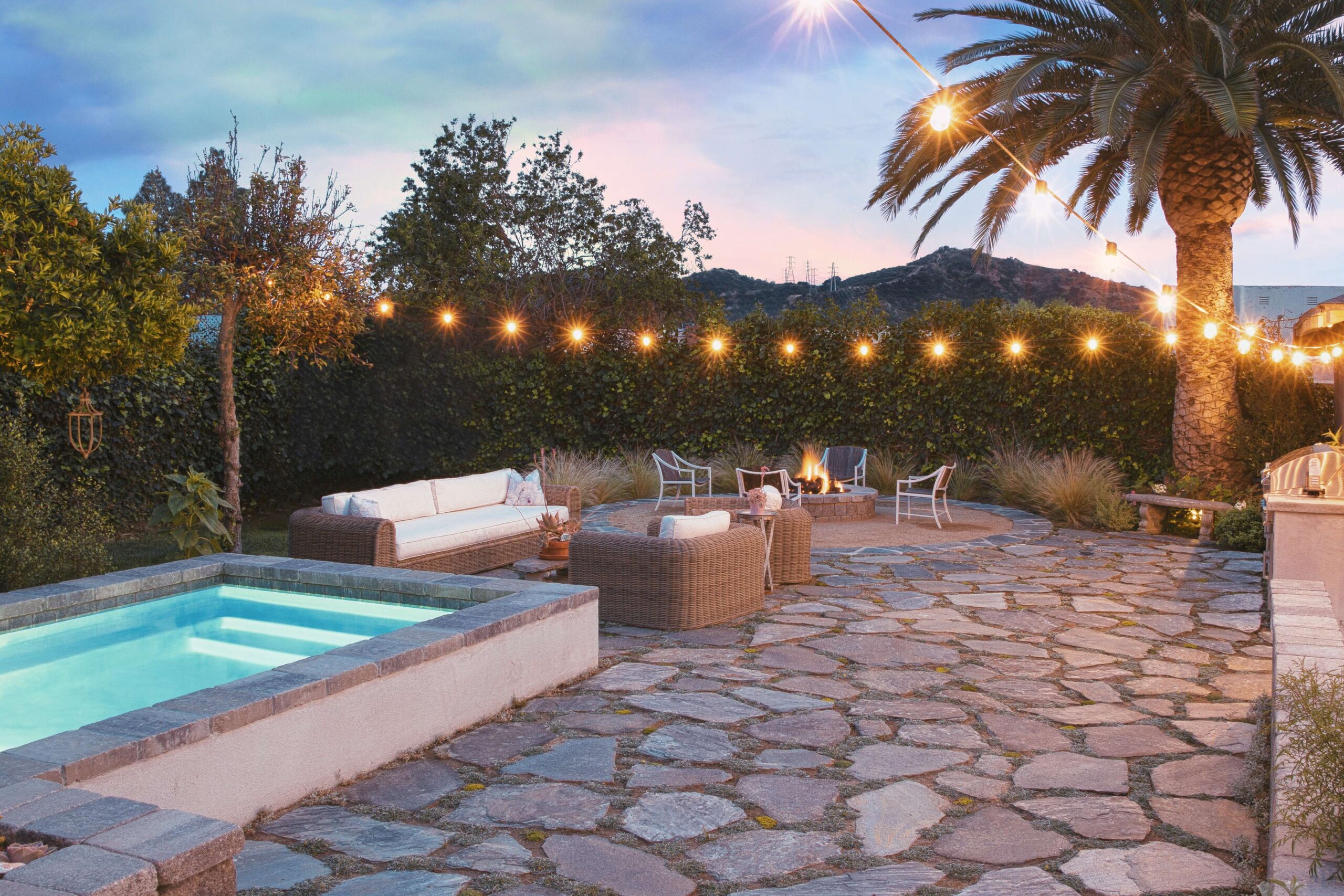
Handcrafted Stonework
Stone veneer and masonry around the house echo the handcrafted, slightly irregular stonework found throughout the Mediterranean region.
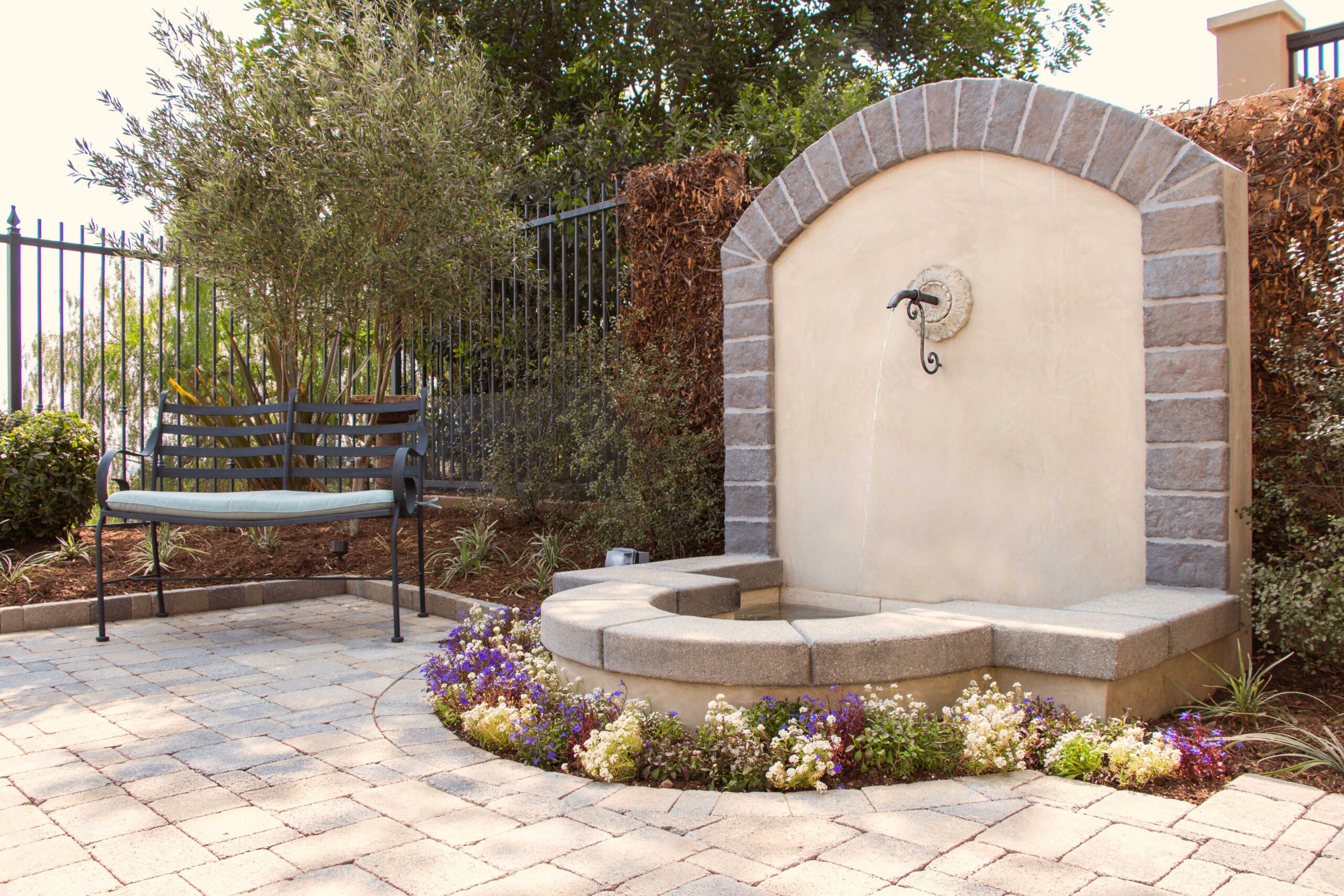
Fountains & Water
A quiet fountain or wall feature, not a dramatic one, is one of the most consistent notes across Mediterranean gardens: sound and movement without excess.
Why It Works Here
A Style That Belongs in the California Landscape
California shares the warm, dry summers and mild, wet winters found in the handful of Mediterranean-climate regions worldwide, the Mediterranean Basin, central Chile, the Western Cape of South Africa, and southwestern Australia. That overlap is the practical reason the style translates here as directly as it does, and it's why California nurseries carry so many of the plants associated with it.
That doesn't mean every Mediterranean-style planting is automatically low-water, or that any plant on a common list will do well on any property. Water performance comes from the actual plants chosen, the irrigation design, soil preparation and how the yard is divided into hydrozones, not from the style label alone.
Warm, Dry Summers. Mild, Wet Winters.
That seasonal rhythm, the same one found around the Mediterranean Basin, is exactly what California experiences, which is why the plant palette and materials associated with the style hold up here without a lot of translation.
Adapted, Not Automatic
Many of the plants associated with Mediterranean design, olive, lavender, rosemary, cypress, become low-water once established because they come from climates like ours. Getting there still depends on correct irrigation, soil prep and plant placement, not the style itself.
Shade Built Into the Design
Pergolas, wood-beamed patio covers and courtyards are functional responses to warm summers, not just decoration, giving a property usable outdoor space through the hottest part of the year.
Plant Selection Tied to the Property
The California Department of Water Resources recommends matching plant choices to a property's specific climate, soil and sun exposure before planting, the same approach your Designer takes during the Site Analysis.
Room for California Natives
Mediterranean and California-native plantings share similar climate tolerances and can be combined thoughtfully in the same design, widening the palette without working against the property's conditions.
Climate and plant-selection guidance sourced from the LADWP California Friendly Landscaping program and the California Department of Water Resources. LADWP: Mediterranean Style Garden · CA DWR: Water-Efficient Plant Selection
Materials
The materials that carry a Mediterranean landscape
Certain materials distinguish the style. Terra cotta, gravel and decomposed granite for ground cover, and tile and travertine underfoot and along walls, are the four that appear most often, alongside iron accents for gates, railings and light fixtures.

Decomposed Granite
A warm, informal groundcover for paths and courtyards that drains well and needs no irrigation once installed.
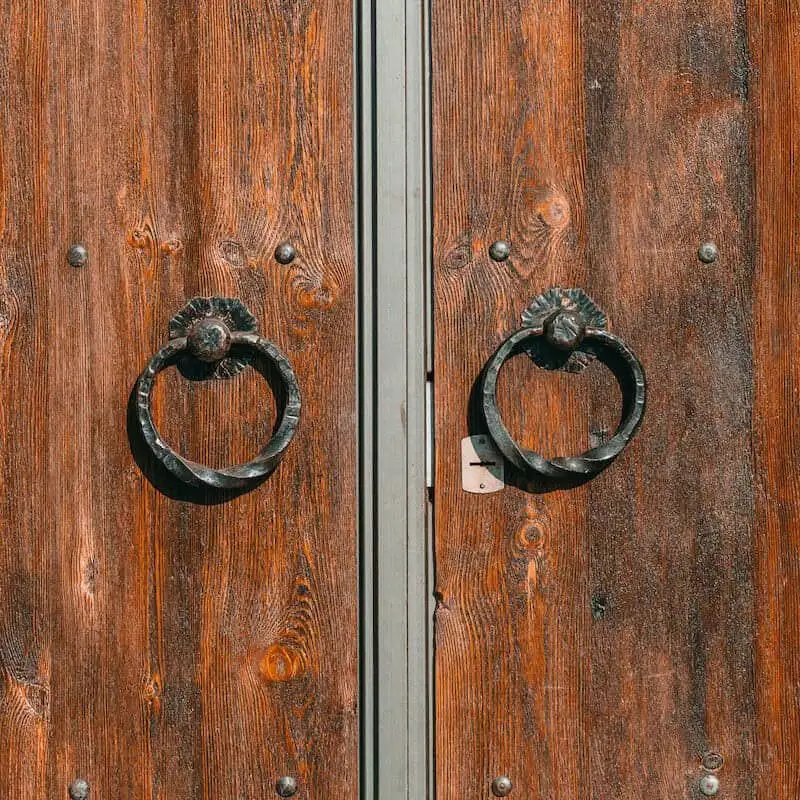
Iron Accents
Wrought iron door pulls, gate hardware and fixtures add a handcrafted, old-world detail without competing with the planting.
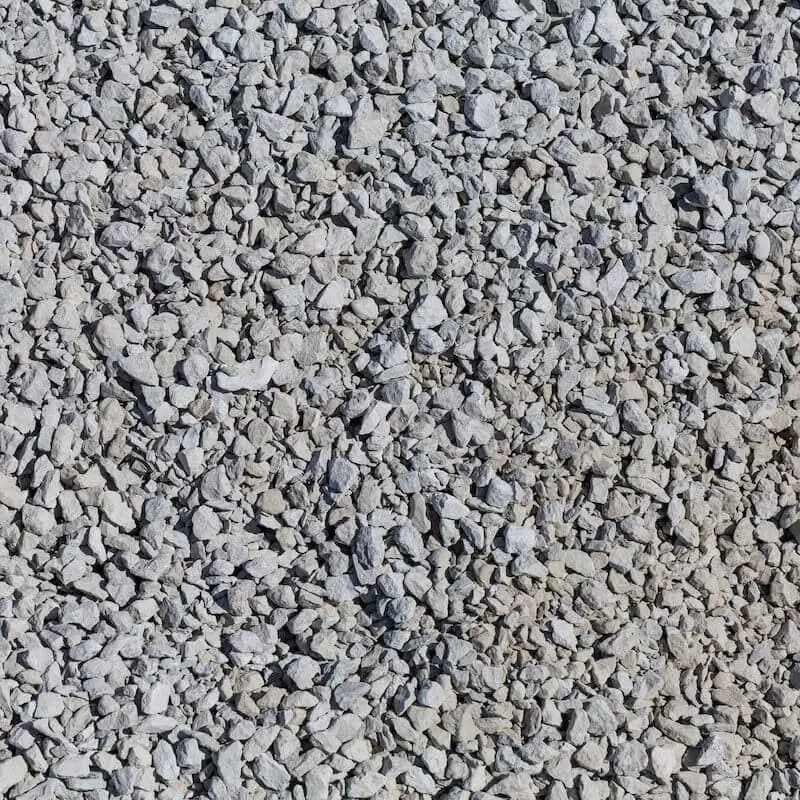
Gravel
A looser, more rustic ground treatment than decomposed granite, often used at the edges of a property or under olive trees.
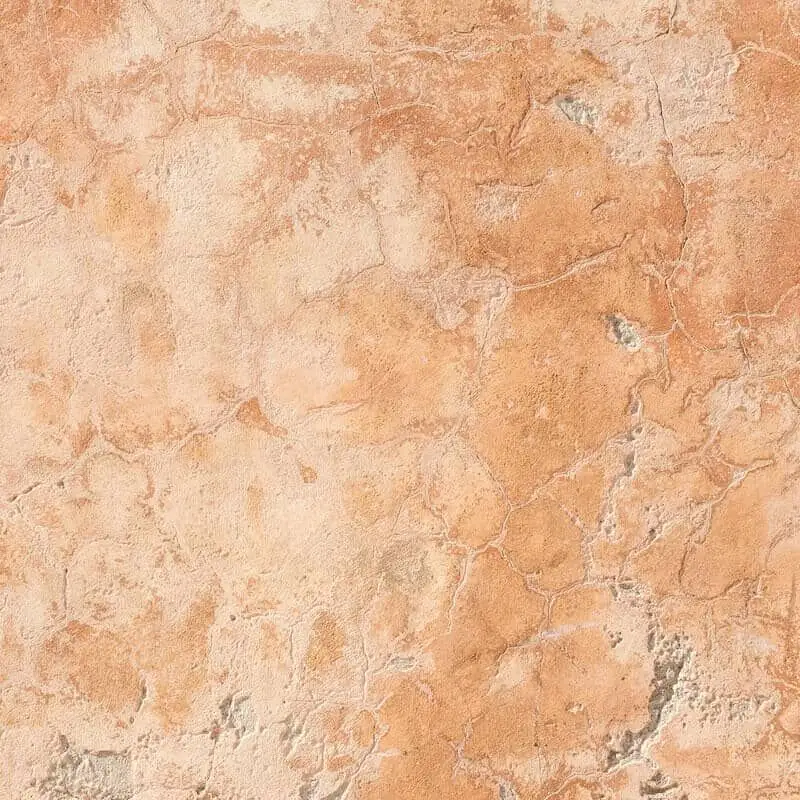
Terra Cotta
Used for pavers, planters and roof tile, terra cotta is the single material most associated with the style, and usually sets the palette for everything else.
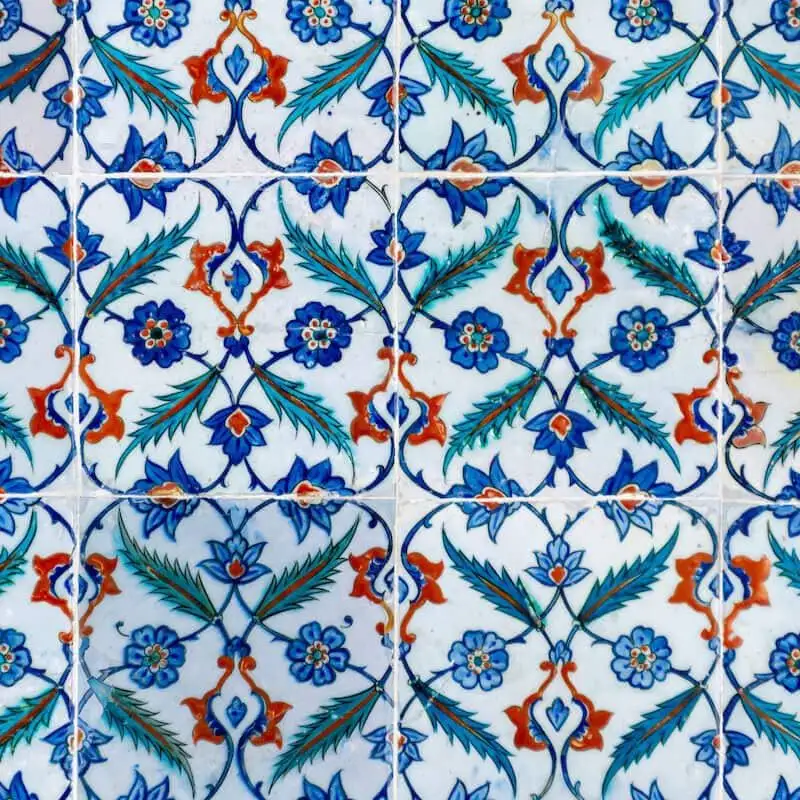
Tile Work
Patterned tile appears in risers, fountains and accent walls, adding color and craft at a smaller scale than the hardscape around it.
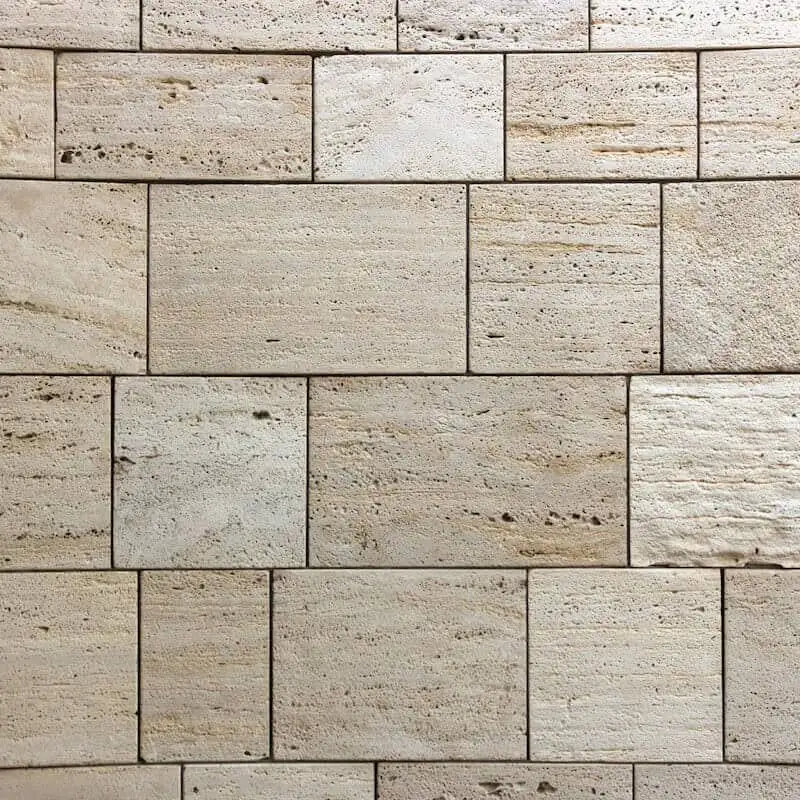
Travertine
A honed or tumbled natural stone for patios and pool decks, travertine stays cool underfoot and reads as quietly upscale rather than showy.
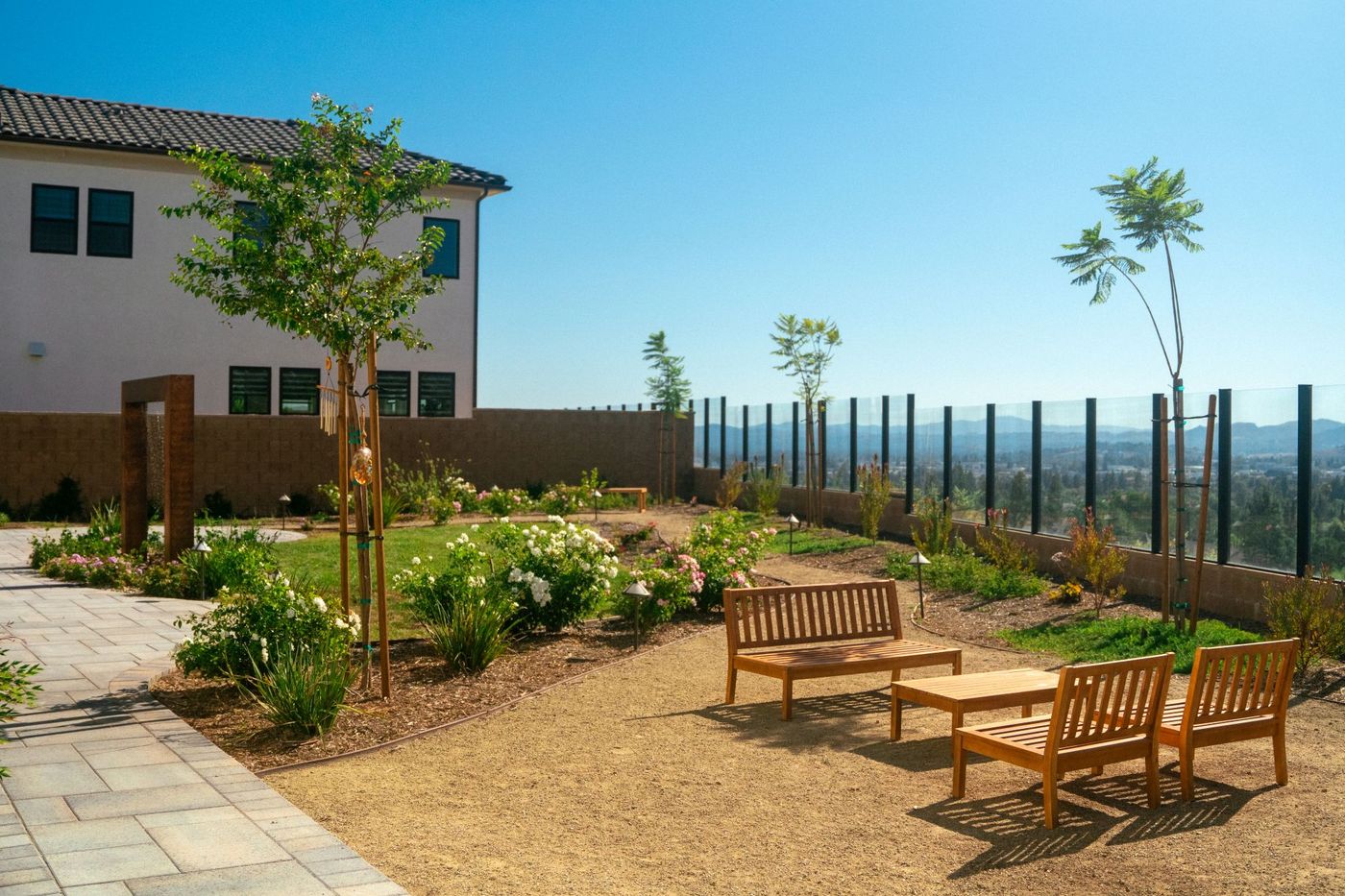
Planting Palette
A Mediterranean planting palette
Mediterranean planting leans on texture, fragrance and restrained color more than showy bloom. The categories below are a starting point for the conversation with your Designer, not a fixed list.
- Canopy & Specimen Trees
- Olive · Citrus (lemon, orange) · Italian cypress
- Structural Plants
- Italian cypress (as a vertical accent) · Agave · Phormium
- Flowering & Fragrant
- Lavender · Rosemary · Bougainvillea
- Groundcovers & Herbs
- Creeping rosemary · Thyme · Santolina
- Vines
- Bougainvillea · Grapevine (classic over a pergola)
- Water-Wise by Nature
- Most Mediterranean-basin plants, olive, lavender, rosemary, cypress, are naturally low-water once established
Final plant selections depend on your property's microclimate, sun exposure, irrigation setup, soil, pets and maintenance preferences, along with any local water-use requirements. Not every plant listed here fits every yard; your Designer will confirm what's right for yours during the Site Analysis.
Is This Style Right for You?
What to consider before choosing Mediterranean
Mediterranean design works especially well for some homes and lifestyles, and can be adapted rather than copied literally for others. A few things worth thinking through before your Site Analysis:
Architecture that pairs naturally
Spanish Colonial, Tuscan and Mission Revival homes, or any stucco-and-tile architecture, take to Mediterranean landscaping without much translation. On other architectural styles, the look can still work, scaled back to a courtyard or entry sequence rather than the whole property.
Sun exposure
Most Mediterranean plantings and materials want full to partial sun. Shadier lots still work well, but the design leans harder on pergolas and overhead structure to create the shade the plant palette would otherwise get for free.
How you entertain outside
A courtyard or shaded dining area is central to the style, so it suits homeowners who already entertain outdoors, or want to start. A property with no natural gathering spot benefits most from a design built around creating one.
Maintenance level
Established Mediterranean planting, olive, lavender, rosemary, is naturally low-water once it takes root. The hardscape side, plaster and tile especially, needs periodic resealing and upkeep to keep its color and finish.
Formal or relaxed
The style scales from a symmetrical, formal entry sequence to a loose, rustic backyard courtyard. Most properties end up somewhere between the two: more structured near the house, more relaxed toward the edges of the yard.
Adapting the style to your property
Mediterranean design does not require a full-property commitment. A single courtyard, entry, or side yard treated in this style can read as intentional rather than partial, especially on a property with a different overall architectural character.
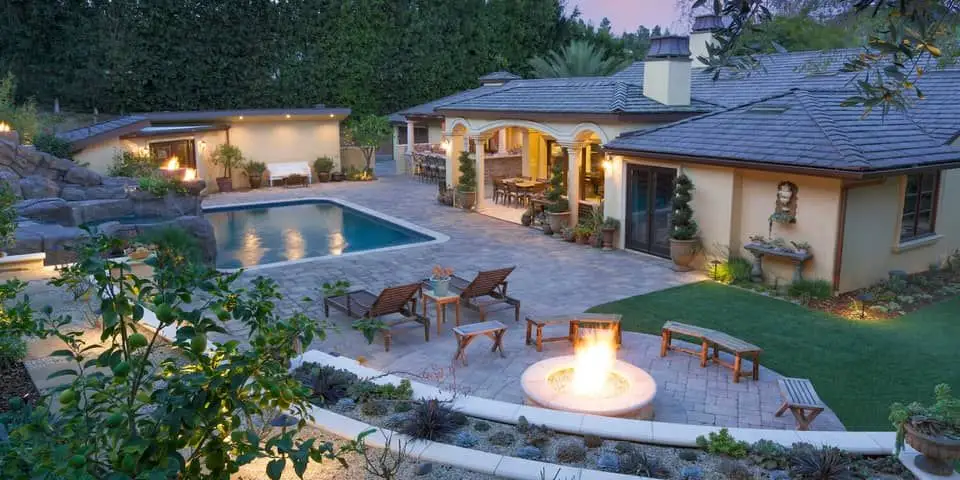 Featured Transformation
 Real Project
Mediterranean Manor · Beverly Hills
The Goal
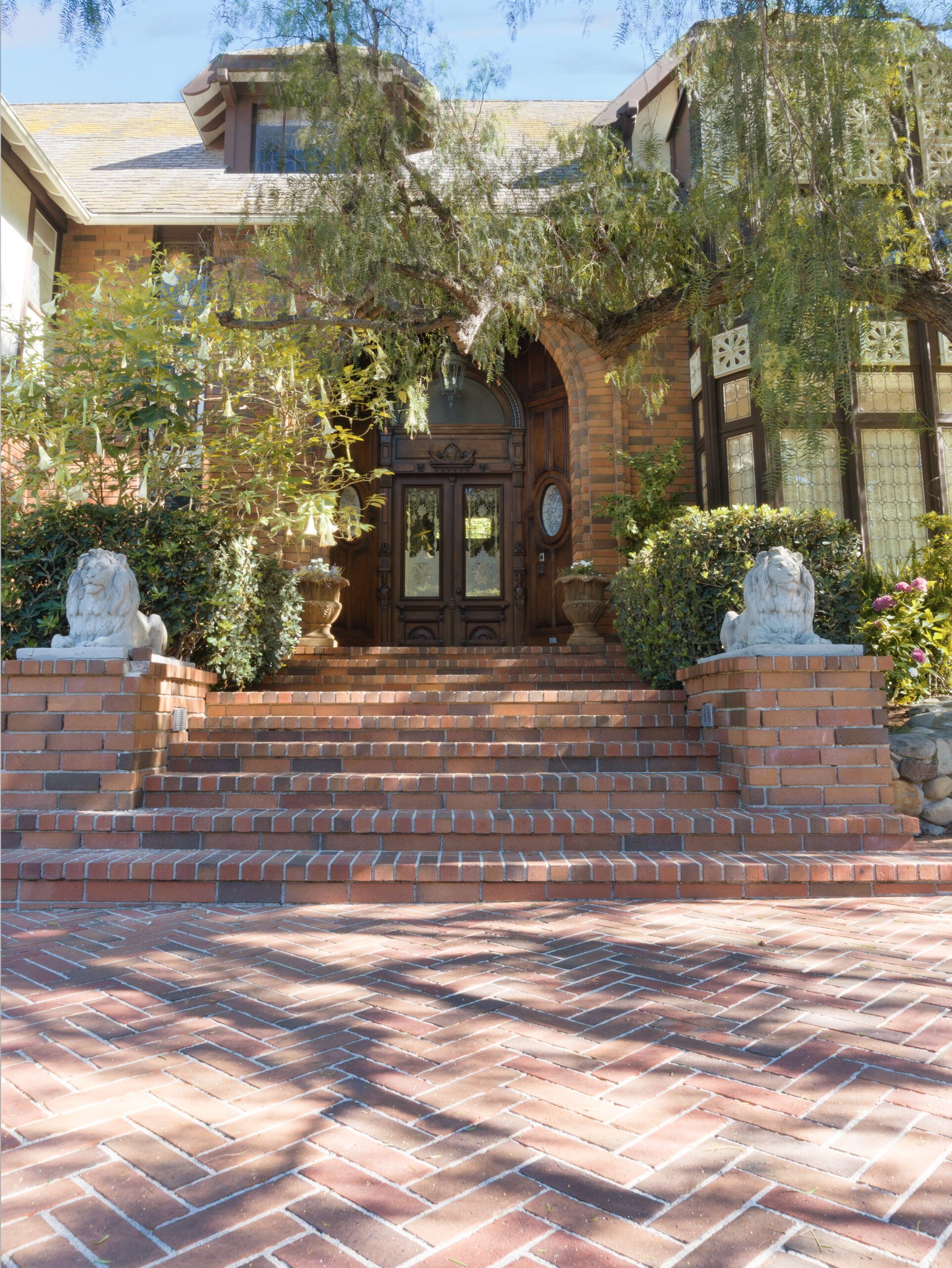
The homeowners came to us hoping for an outdoor room for relaxing, a larger pool, and a more grand entrance to their home.
The Approach
What they ended up with went well beyond that initial list. Their designer worked closely with them, sketches, then 3D renderings, to balance their ideas against what the space and budget could actually support. The homeowners stayed open to suggestions and brought plenty of their own, which is what let the design grow past the original request.
The Build
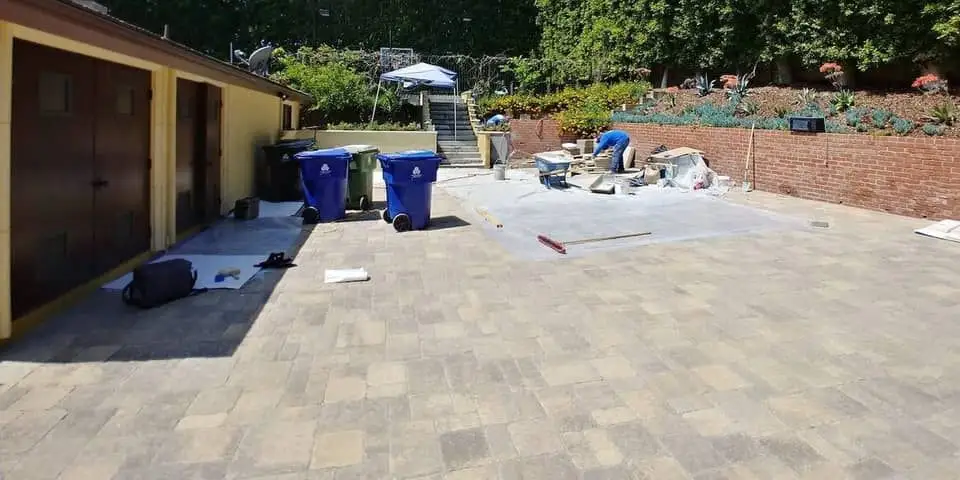
A massive undertaking, the project took six months to complete and was built in three phases: the front yard first, then the pool, then the driveway.
The Result
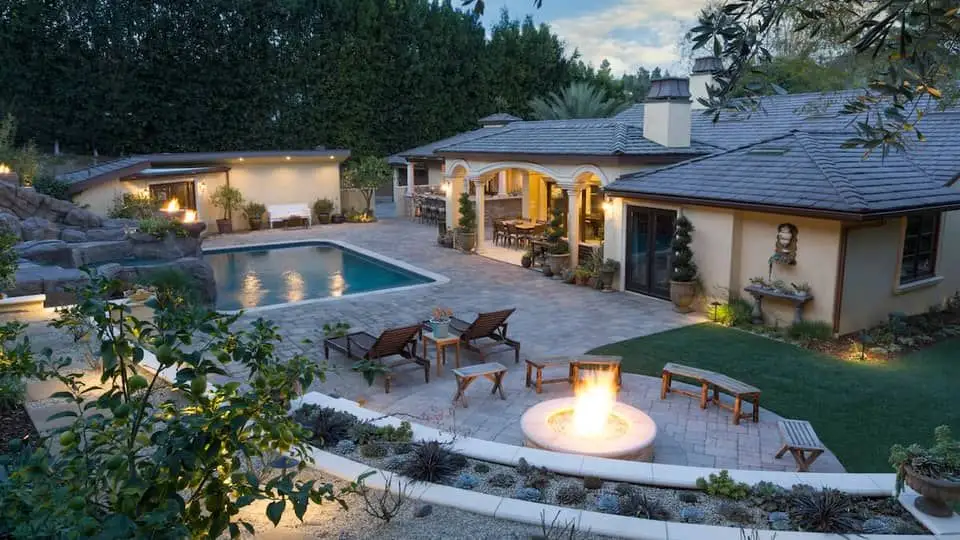
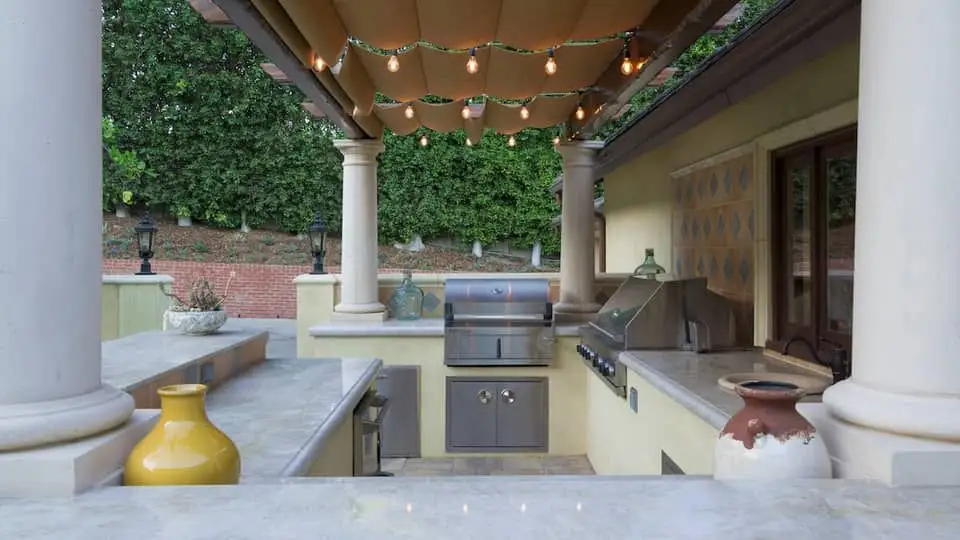
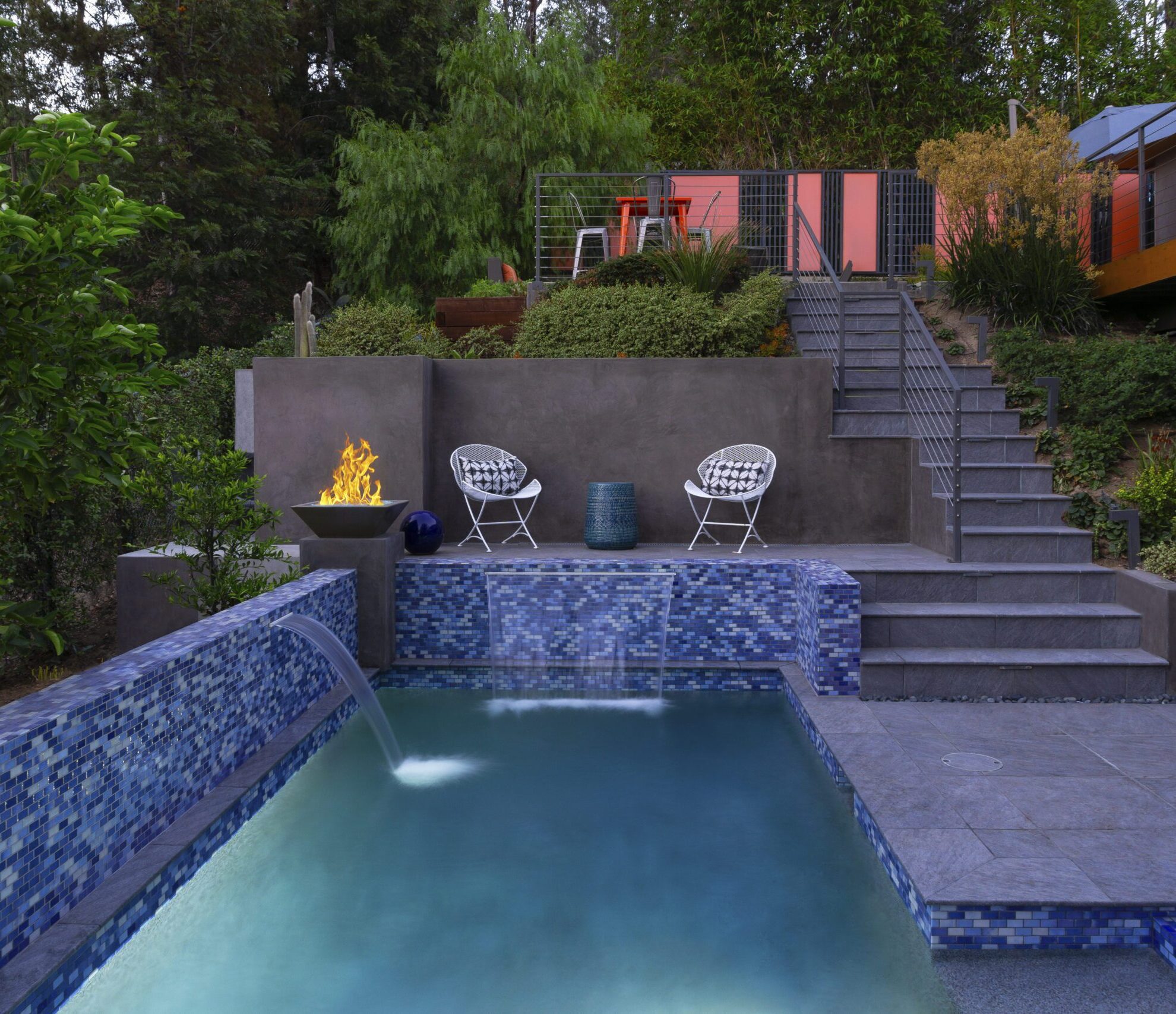
The finished backyard has an outdoor patio with a fireplace and ample seating, an expansive outdoor kitchen, a large pool with a custom water slide and fire bowls, and a separate fire pit, all set into lush Mediterranean landscaping. The front yard adds a serene wall fountain and a paving-stone courtyard of its own.
Common Questions
Mediterranean Landscape Design, Answered
No. Stucco-and-tile architecture takes to the style most naturally, but a courtyard, entry sequence, or side yard can be treated in Mediterranean style on a home with a different overall character. It reads as intentional rather than out of place because it's contained to one area instead of fighting the whole property.
Once established, most of the plants associated with the style, olive, lavender, rosemary, cypress, are naturally low-water; they come from a climate a lot like ours. Water features and hardscape don't add to irrigation demand. Your Designer will still confirm plant selections against your property's microclimate and any local water-use requirements.
It depends on scope. Mediterranean Manor, a full front-and-backyard renovation with a pool, outdoor kitchen and fountain, took six months across three phases. A single courtyard or entry treatment is a much shorter project. Your Site Analysis is what turns that into an actual timeline for your property.
Plaster and tile hold up well but benefit from periodic resealing to keep their color and finish, the same way any exterior masonry does. Decomposed granite paths need occasional raking and re-compaction. None of it is high-maintenance, but it is not zero-maintenance either.
Mostly by your architecture and how you use the space. A symmetrical entry sequence near the house reads as formal almost automatically; a backyard courtyard for everyday use tends toward relaxed even with the same materials. Most properties end up with some of both, more structured near the house, looser at the edges. That balance gets worked out during your Designer Meeting, not decided in advance.
That's a common starting point, not a compromise. A courtyard, entry, or side yard done well in this style doesn't need the rest of the property to match. Many homeowners start there and decide later whether to extend it.
Landscape Styles
Explore Other Landscape Styles

Start With Your Property
Start With Your Site Analysis
A Mediterranean landscape has a lot of moving parts, plaster, tile, water, planting, structure, and the Site Analysis is what makes sure they all work together on your specific property. Designed Right, Built Right, on time and on budget.
No pressure. Just expert guidance from a local design-build team.