
What shapes the investment
- Patio size and the material chosen
- Site grade and drainage work required
- Excavation difficulty and access for equipment
- Permitting and any engineering needed
- How much of the surrounding hardscape and planting is in scope
Patios & Hardscape
Santa Maria's agricultural heritage and wine-country character sit inside a transitional climate between the coast and inland valleys. We design patios that celebrate that character, planned alongside the pergola, planting, and drainage around them, then build them with our own in-house crews.
Start here
The right approach follows how you want to use the space. Pick what you're actually after below, and the materials and layout mostly follow from it. Every project shown was built here in Southern California, so the choices are suited to this climate.
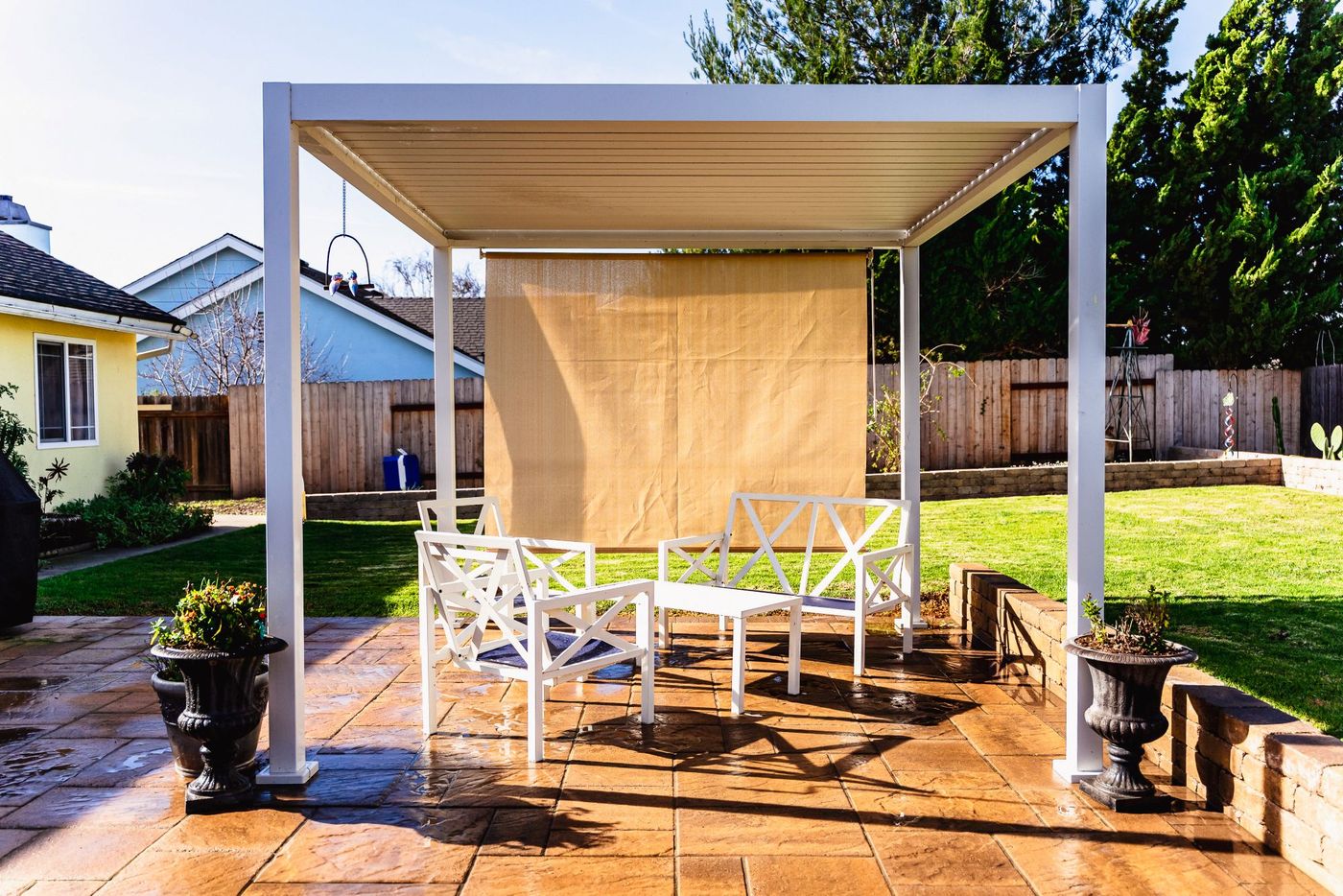
 01 An entertaining space A patio sized for dining and gathering under a pergola, built for Santa Maria's wine-country entertaining style. See entertaining patios
 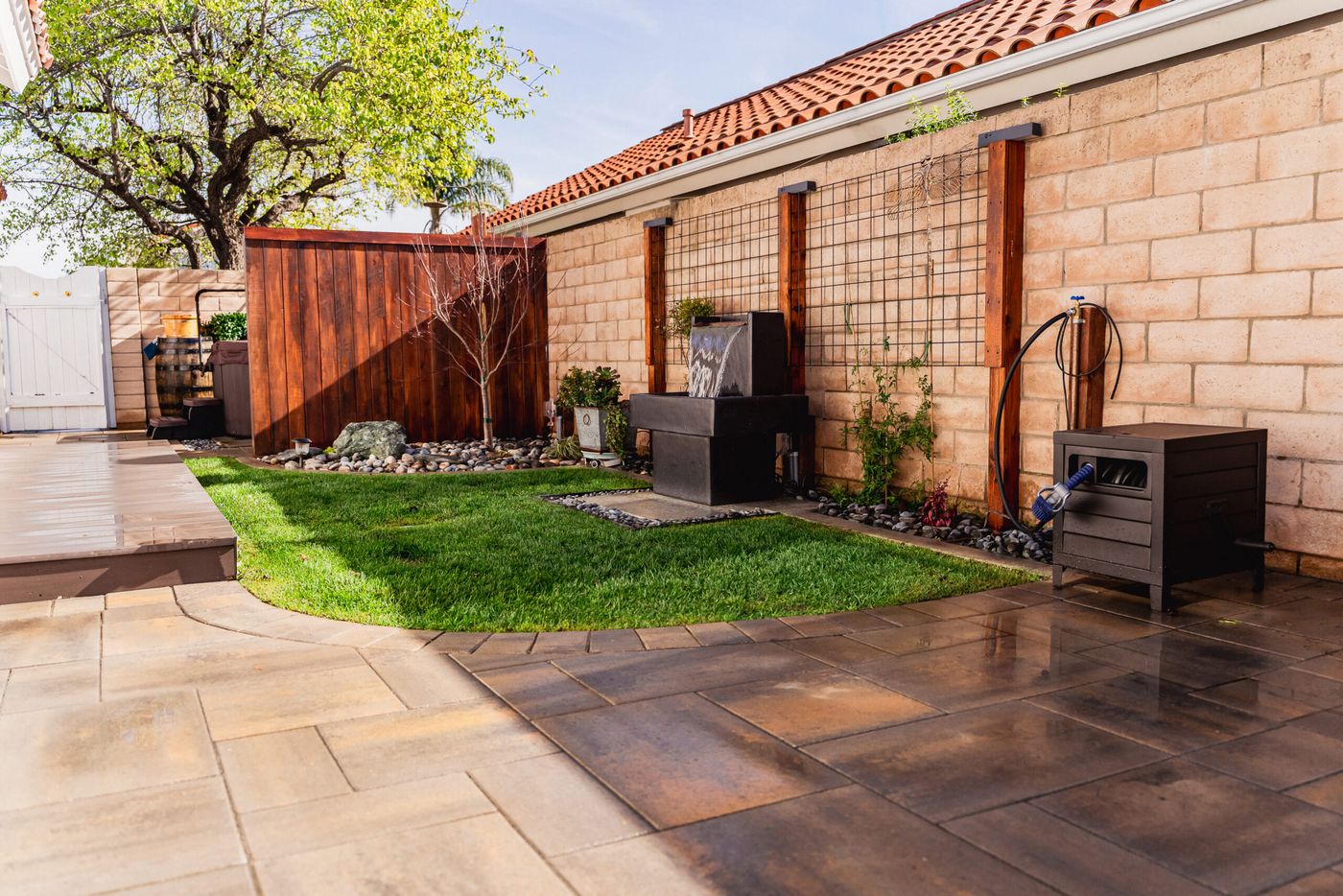 02 A family-friendly backyard A curved patio and lawn layout planned around the actual shape of the yard, not a rectangle dropped onto the property. See family patios
  03 A refined, minimal look Large-format paving suited to Santa Maria's newer builds, paired with vineyard-inspired planting kept to a restrained palette. See modern patios
 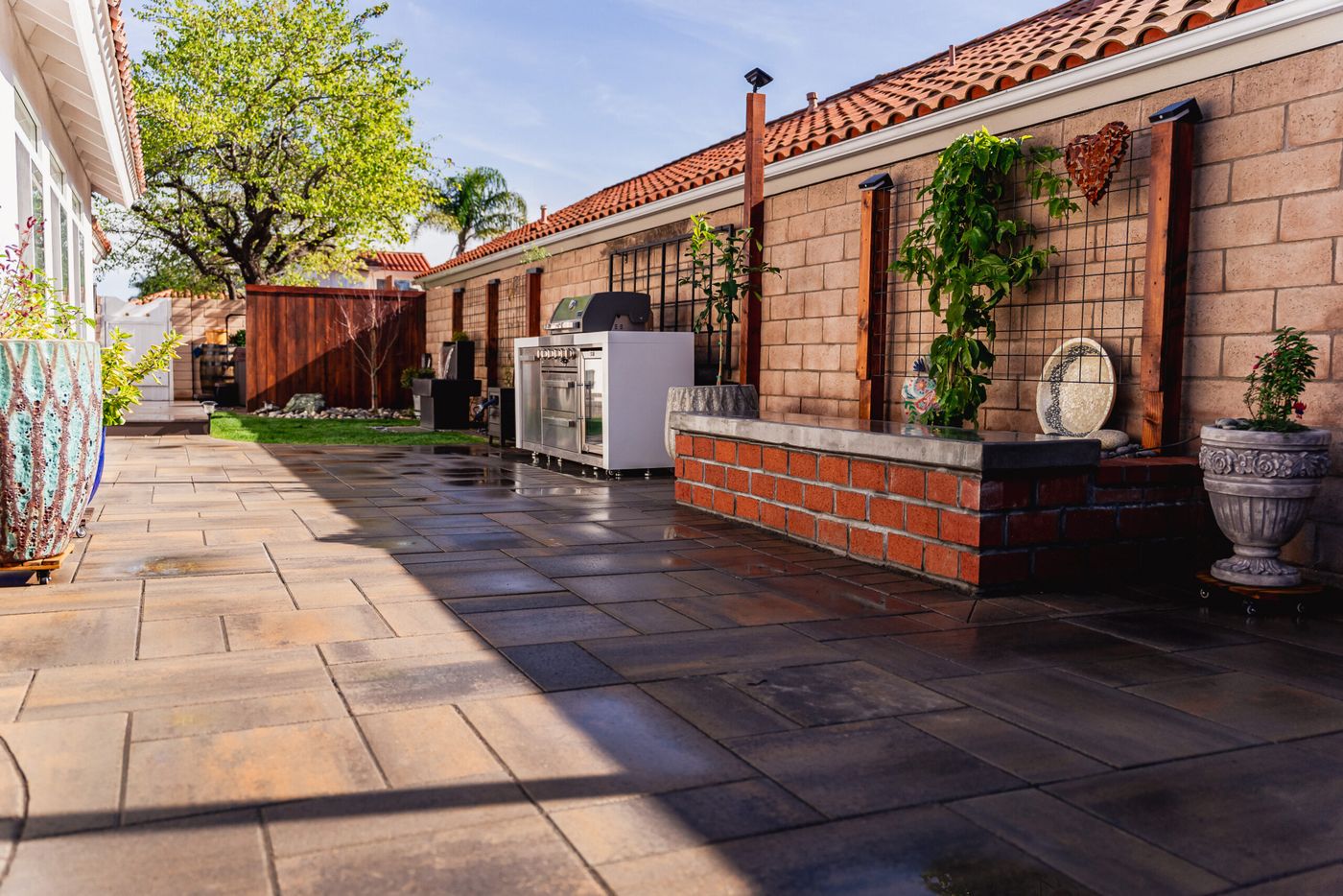 04 An informal, rustic feel Farm-inspired materials that connect the patio to Santa Maria's agricultural and wine-country roots. See rustic patios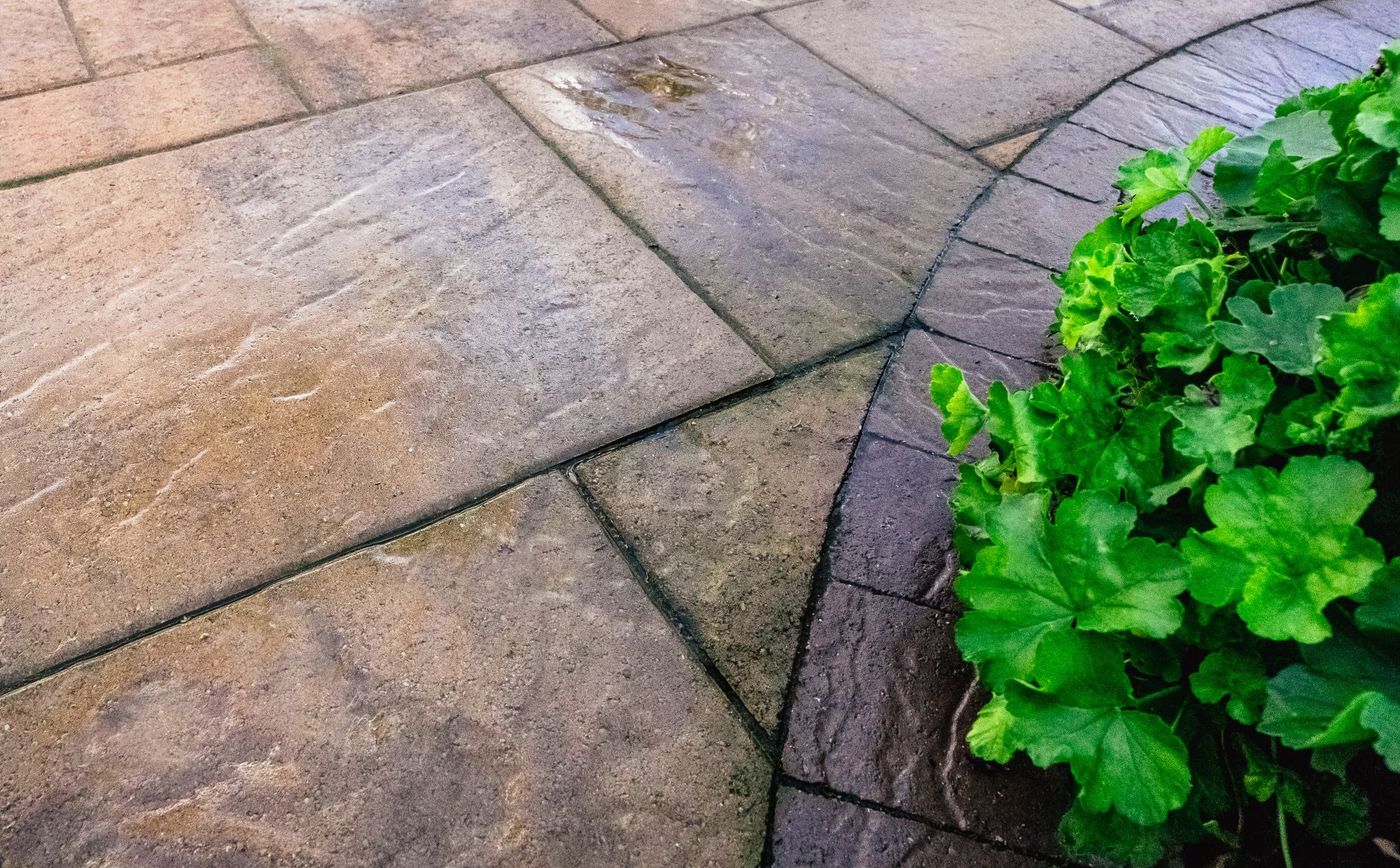
Best for Anyone who wants durability, color longevity, and easy repairs.
On your property Santa Maria's transitional climate means a paver patio has to work for both cooler coastal-influenced days and warmer inland ones on the same property.
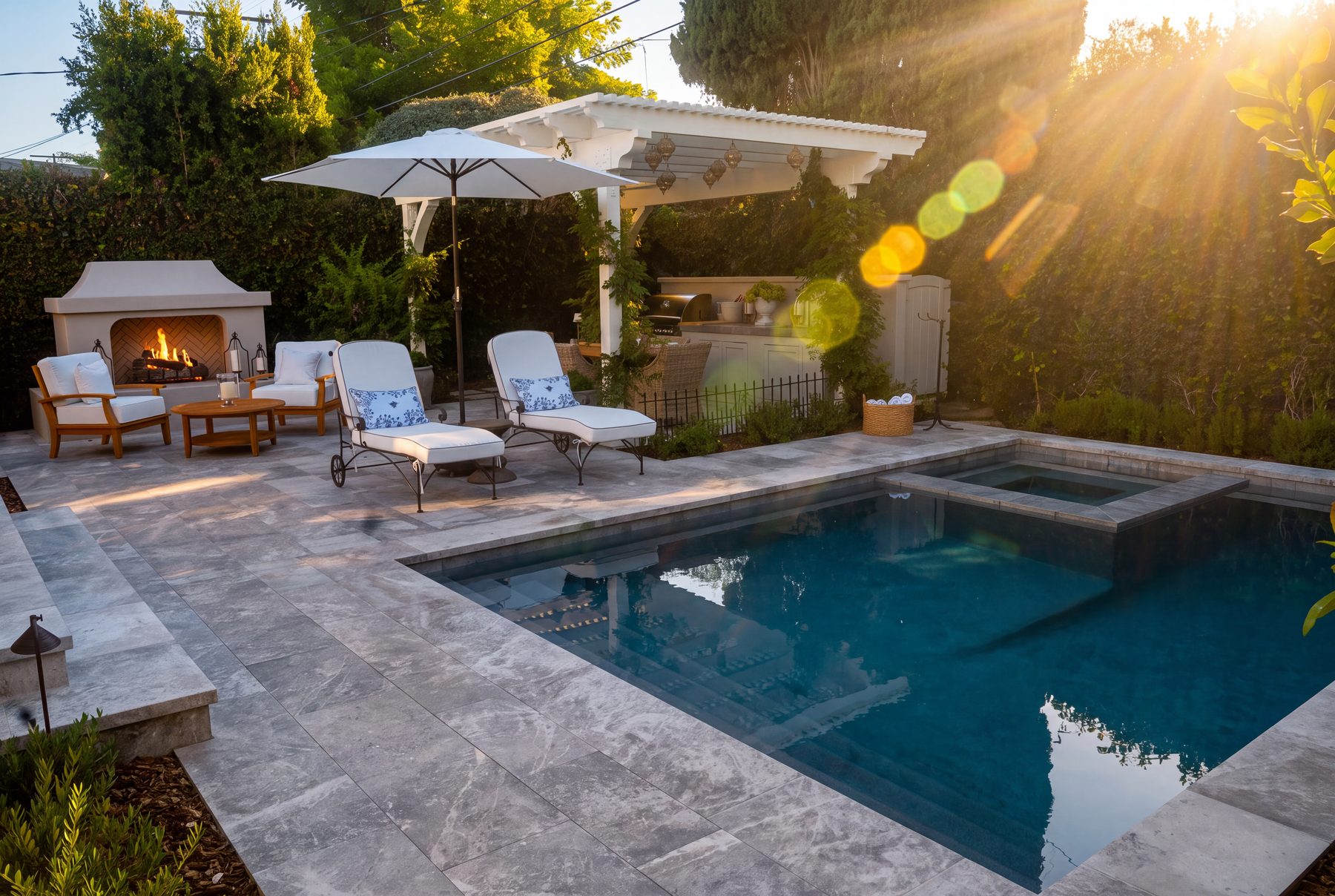
Best for Modern homes and anyone who wants a seamless, minimal look that reads as an extension of the house.
On your property Needs a stable base. On a slope or in a complex grading situation, porcelain is heavier to work with than pavers.
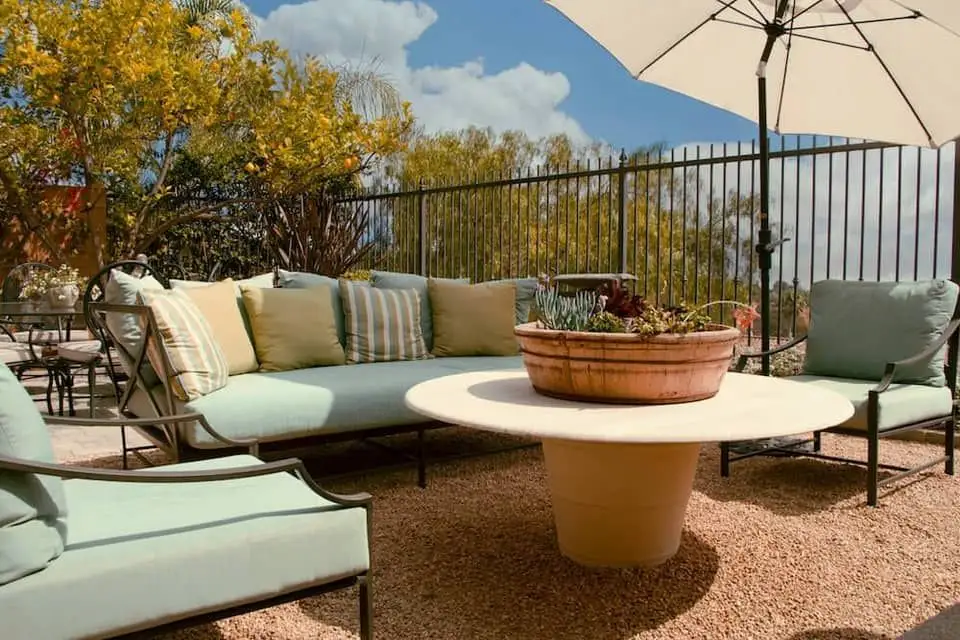
Best for Alfresco dining spaces and anyone who wants an Italianate or rustic aesthetic.
On your property Needs regular raking and occasional re-compaction. Fine dust settles in wind. Works best in protected courtyards.
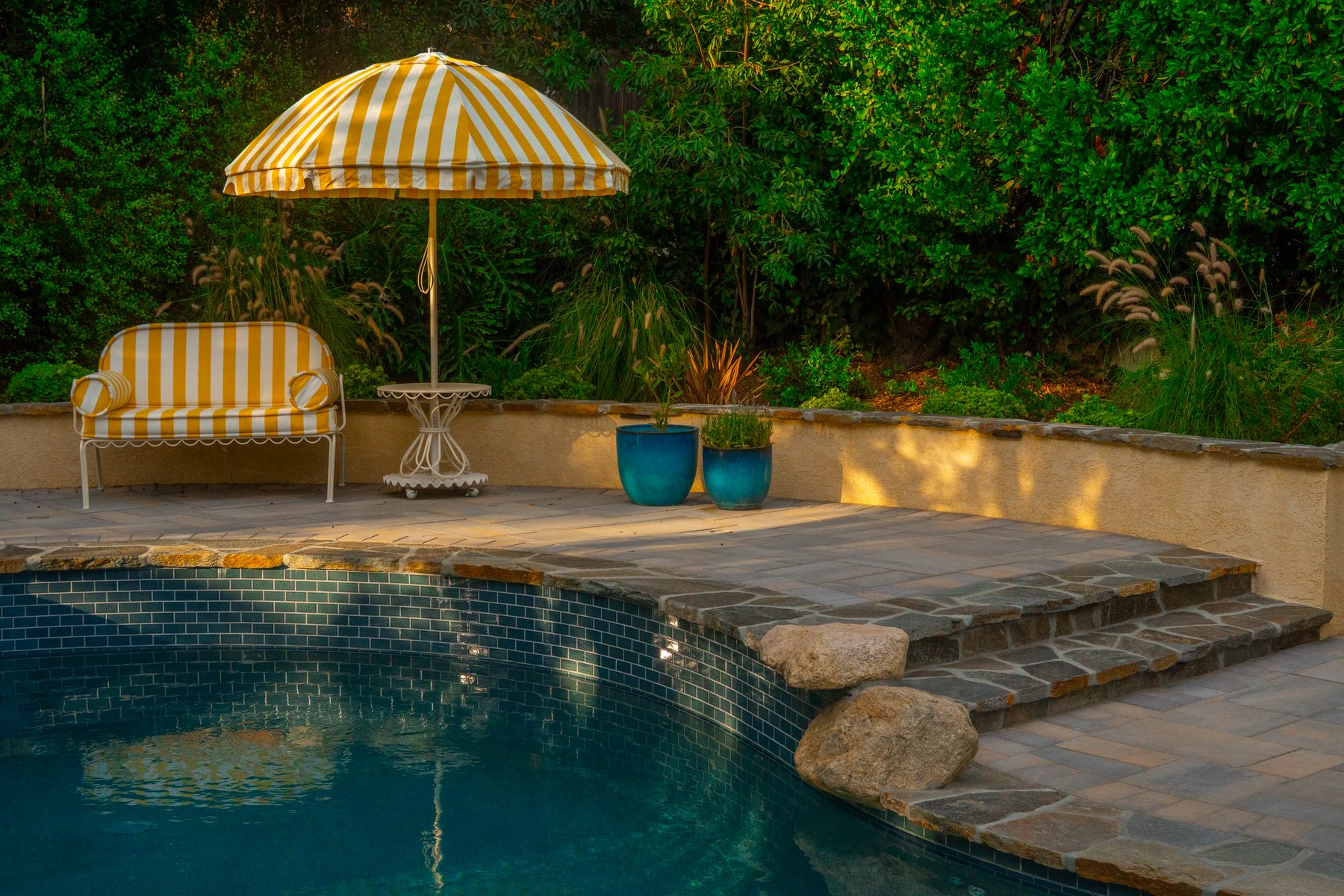
Best for Traditional houses and anyone who wants a timeless, high-end appearance.
On your property Absorbs moisture readily; can crack in freeze-thaw cycles. Needs regular sealing and careful slope for drainage.
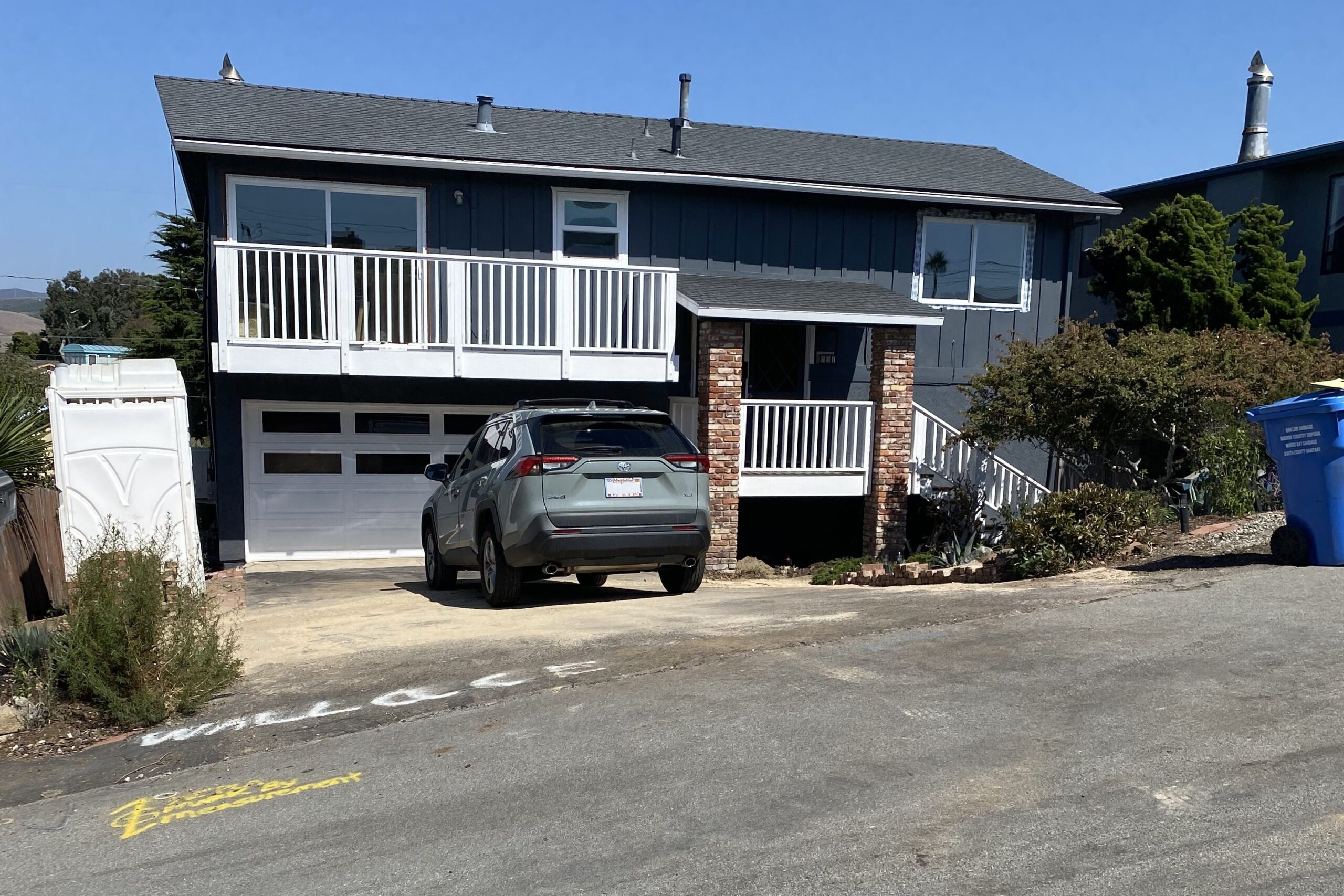 Before
 We measure sun, wind, soil, and seasonal variation specific to your property. Santa Maria's transitional climate between coast and inland means this can change from block to block.
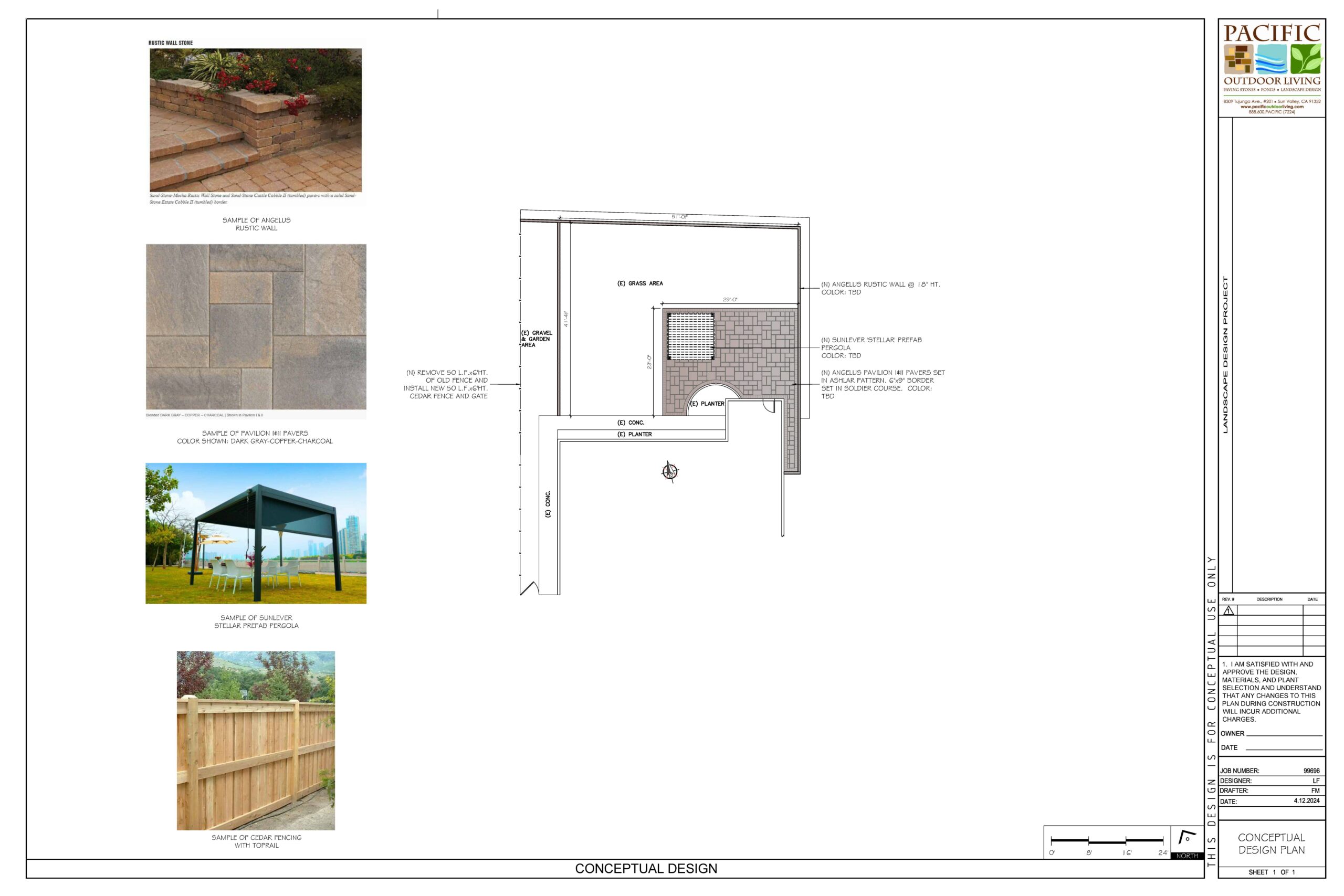 Design
 The patio gets drawn to scale with the pergola, planting, and circulation, weighted toward the wine-country aesthetic Santa Maria is known for.
 Permitting
 Permits go through our in-house team. Santa Maria properties often have unique permitting requirements for wine-country estates and agricultural land, and our team coordinates with local officials before construction begins.
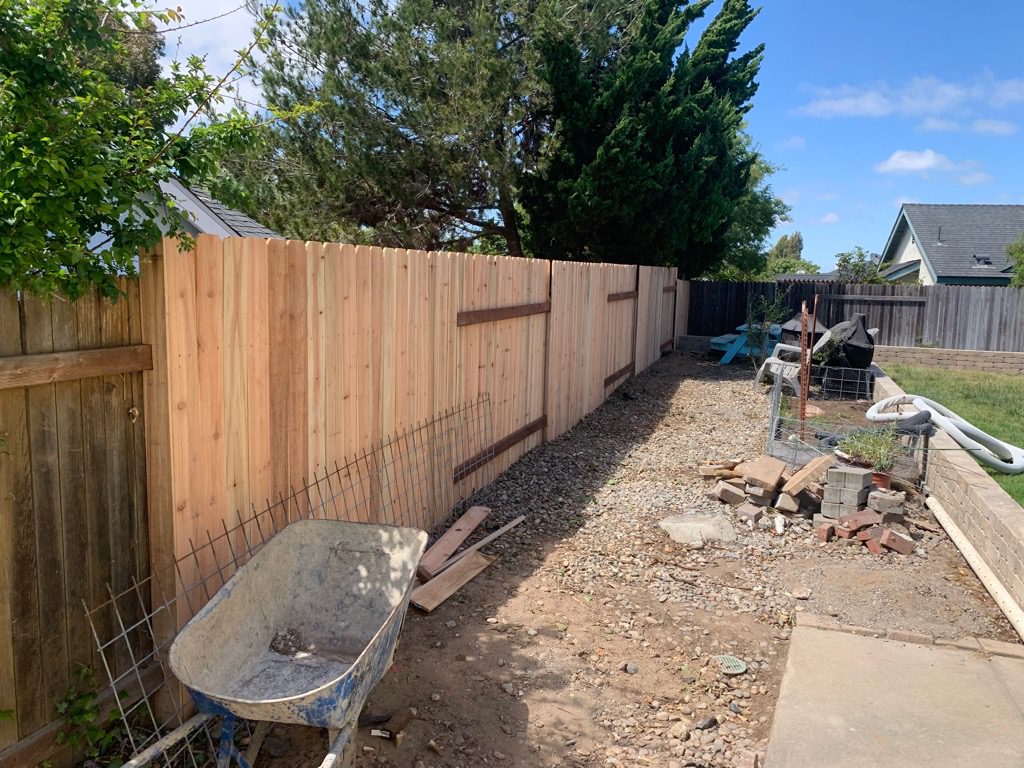 Under construction
 Site grading and soil preparation account for Santa Maria's agricultural-adjacent soils, with drainage worked out ahead of time rather than discovered after the fact.
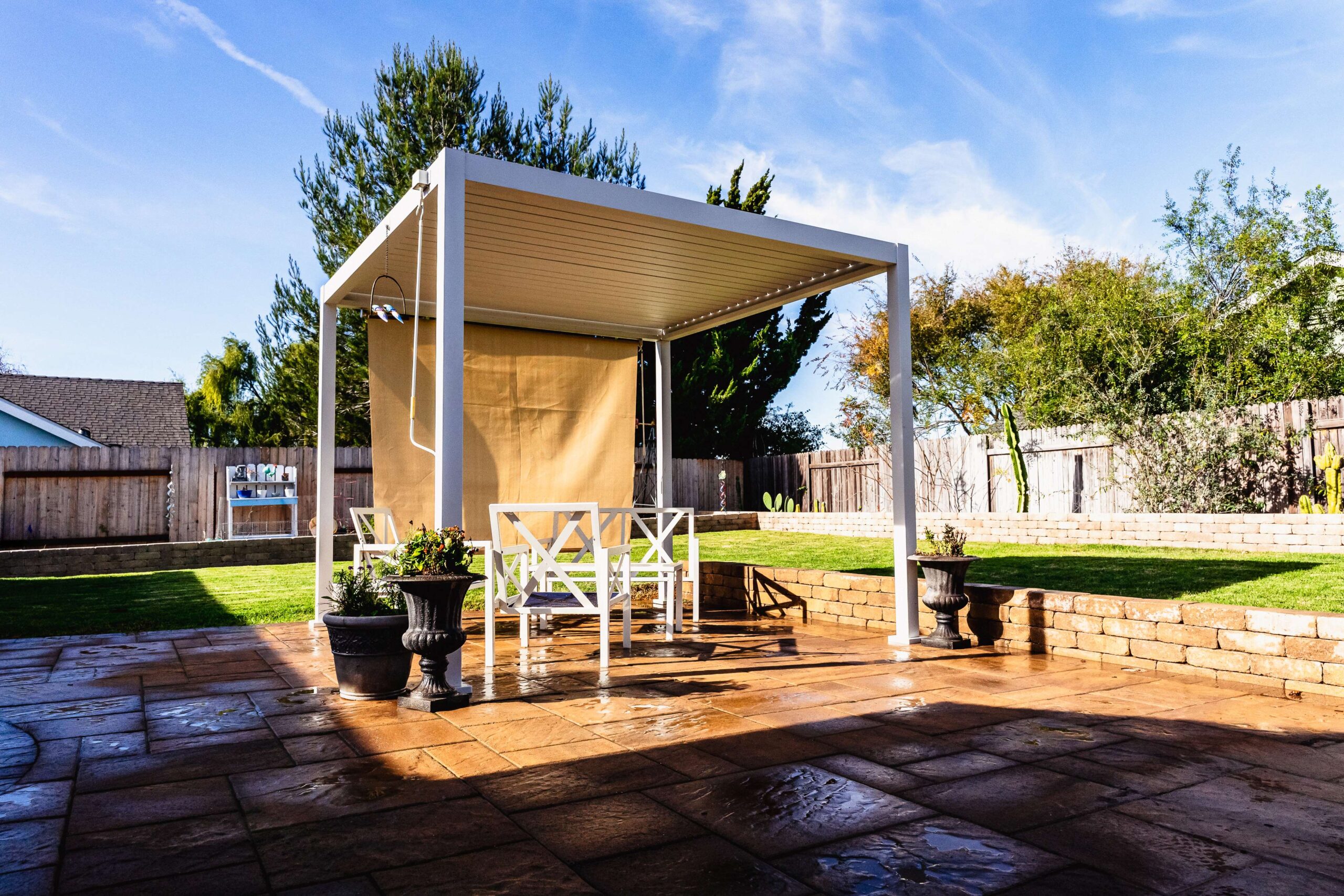 Finished
 Pavers go in with our trained crews, then the pergola and planting complete the space.
Things worth knowing before a first consultation.
Poured concrete costs least. Pavers and DG are mid-range. Natural stone and porcelain cost most. Durability and maintenance vary significantly.
Santa Maria properties often have unique permitting requirements for wine-country estates and agricultural land. Our team coordinates with local officials to make the approval path clear before construction begins.
How the patio meets the house door, the pool deck, pathways, and planting beds. These transitions determine whether the space feels cohesive or fragmented.
Entertaining space needs 20x20 feet or more. A narrow side-yard patio serves circulation and planting. Sizing changes material choices and cost dramatically.
Pavers and stone come in patterns: running bond, herringbone, basket weave. Joints can be colored, filled with turf, or left open. Pattern affects both look and cost.
Conduit for lighting, gas, and water should run under the patio base, not added afterward. Deciding these in the design phase prevents costly retrofits.
No quote written off a photograph can account for what your property is like.
Decking, drainage, utilities, planting, shade and lighting all bear on where a feature goes and how it gets built. Settling them on one set of drawings is what keeps conduit out of the wrong trench and stops paving being cut to fit afterward.
Access, engineering, permits, finishes and scope vary a lot from one property to the next, so the investment and the schedule for your project are set once we have seen the site and the design is settled.
Tell us about the property and what you want the space to do. We will walk through the design, site and permitting factors likely to shape it.
After redoing the backyard, Pacific Outdoor Living also handled the driveway, walkway, and outdoor kitchen, creating a home made for hosting. Each project coordinated seamlessly with the others, and the vision came together beautifully. We now have an outdoor space perfect for entertaining and family gatherings.
Other companies struggled with the steep hillside, but Pacific Outdoor Living transformed it into a three-tier patio space with thoughtful design and execution. Their expertise in handling difficult terrain made all the difference. The final result is stunning and has completely changed how we use our property.
Yes. Santa Maria is within our Northern Santa Barbara County service area, and our in-house design-build team works throughout the region.
Interlocking pavers in an ashlar or running-bond pattern pair well with a pergola and vineyard-inspired planting. A Site Analysis confirms what fits your specific property.
Properly installed interlocking pavers last 25 to 50 years. They resist cracking better than concrete and individual stones can be replaced without affecting the whole patio.
Yes. A 1 to 2 percent slope (about 1 inch per 8 feet) directs water away from the house and allows it to sheet across the patio into yard drainage.
Yes. Our design process includes 3D renderings so you can see layout, materials, colors, and how the patio connects to your house and yard before construction begins.
Cost depends on size, material, and site conditions across a wine-country or agricultural-adjacent property. A typical 20x20-foot patio runs from a few thousand dollars for concrete to significantly more for natural stone.
Schedule a consultation with one of our designers to discuss your project goals and explore what's possible on your property.
What happens next: we set up a visit, measure the property and talk through what you want the space to do. Then you get a design to look at before you commit to anything.