
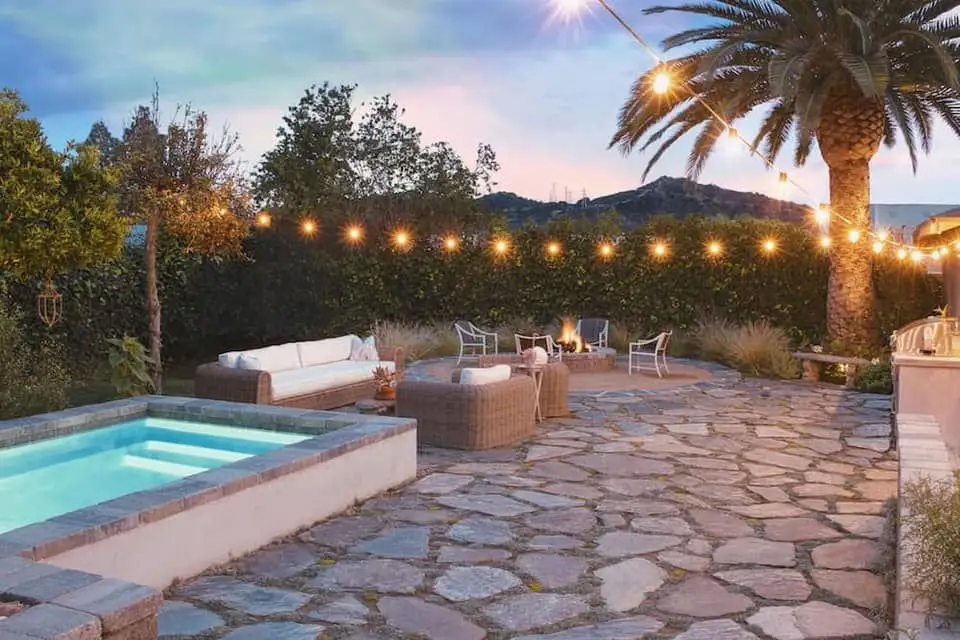
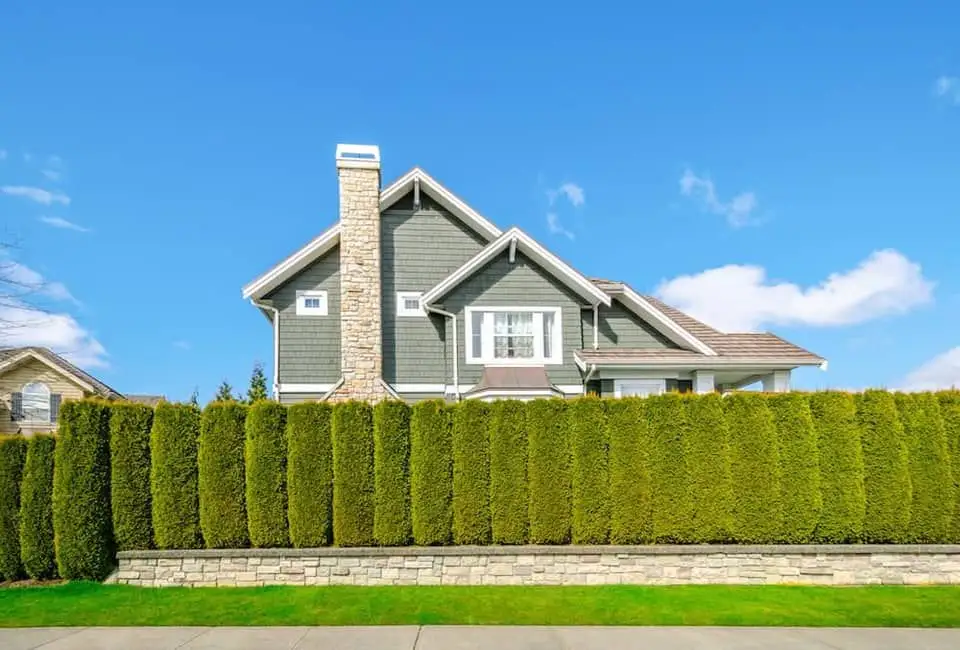
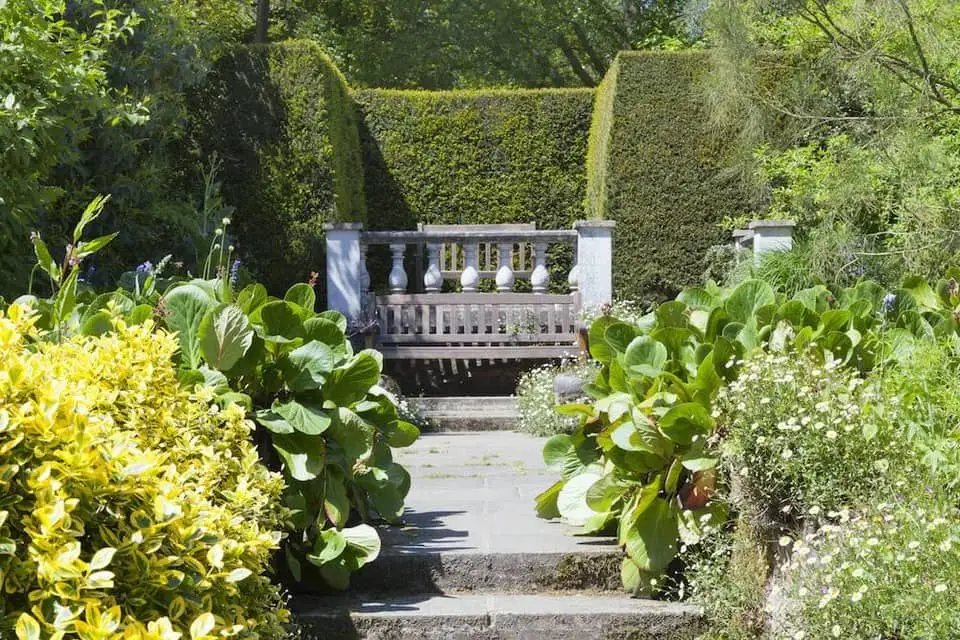
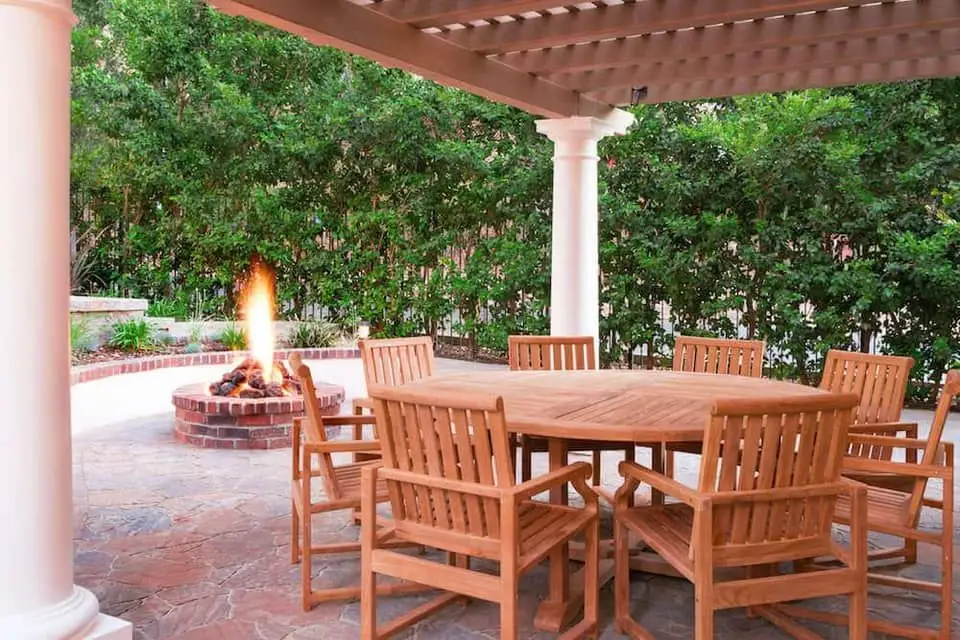

A backyard pool patio screened by a tall clipped hedge, lit with string lights at dusk

Privacy Hedges

Privacy Hedges Sized and Chosen to Fit the Property

A hedge is not just a fast-growing shrub planted in a line. The height, the evergreen or deciduous habit, and the shape of the plant all change what it screens and how much upkeep it asks for. We help you weigh height, use and design before you plant, not after it has grown in wrong.

Service options

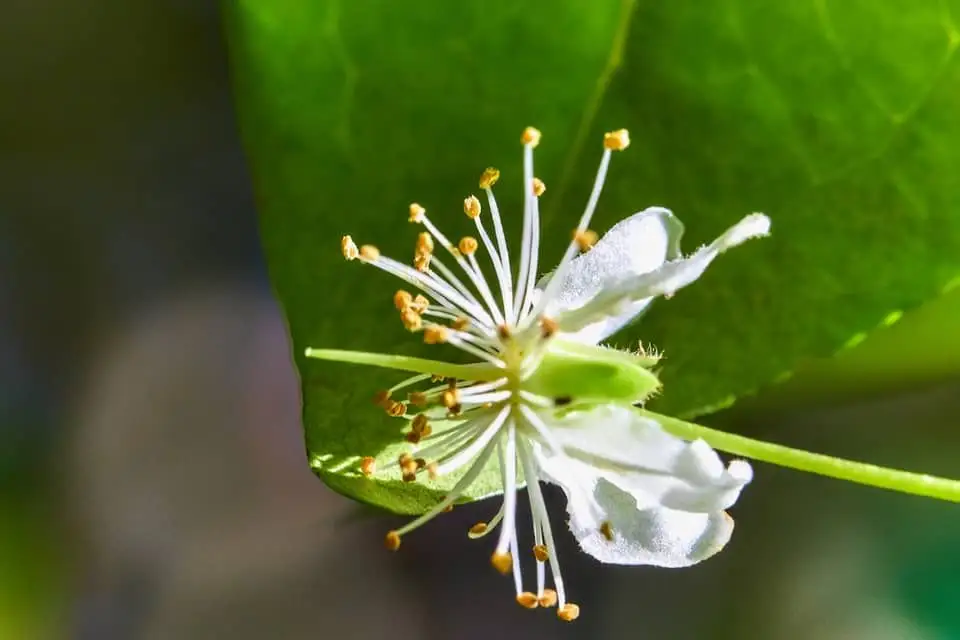
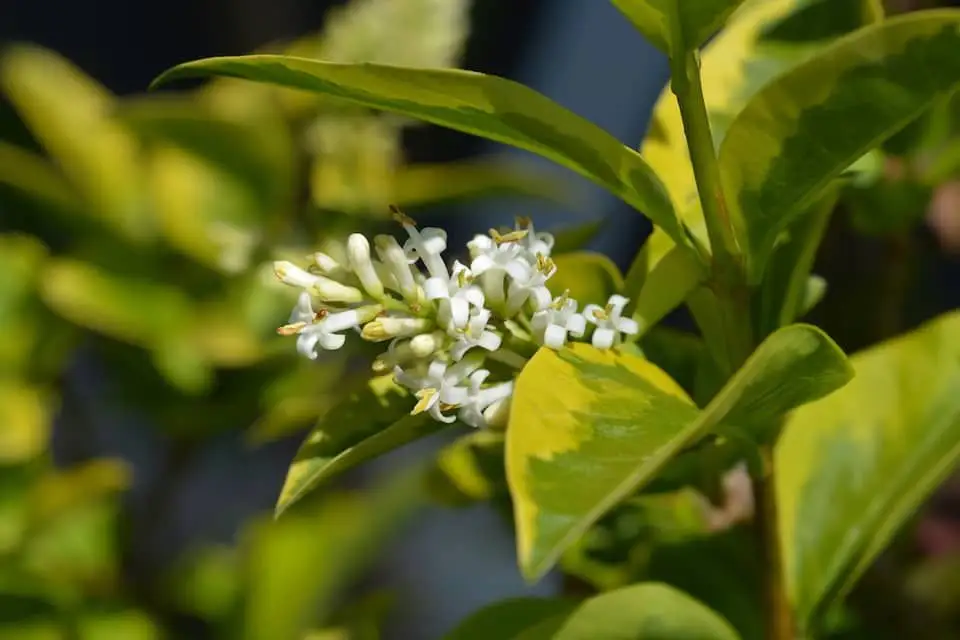
A Eugenia shrub's small white flower with long stamens against its glossy green leaves

Eugenia (Syzygium Paniculatum)

Best for Anyone who wants a dense, fast-growing screen and is willing to keep it trimmed.

  • Reaches 12 to 20 feet tall and 8 to 15 feet wide
  • Non-invasive broadleaf evergreen
  • Relatively fast growing, so it fills in quickly

On your property Grows fast enough that it needs periodic shaping with hedging tools to hold its line.

  • Property-line screening
  • Modern and traditional homes alike

Hedge-Screened Backyard

Southern California

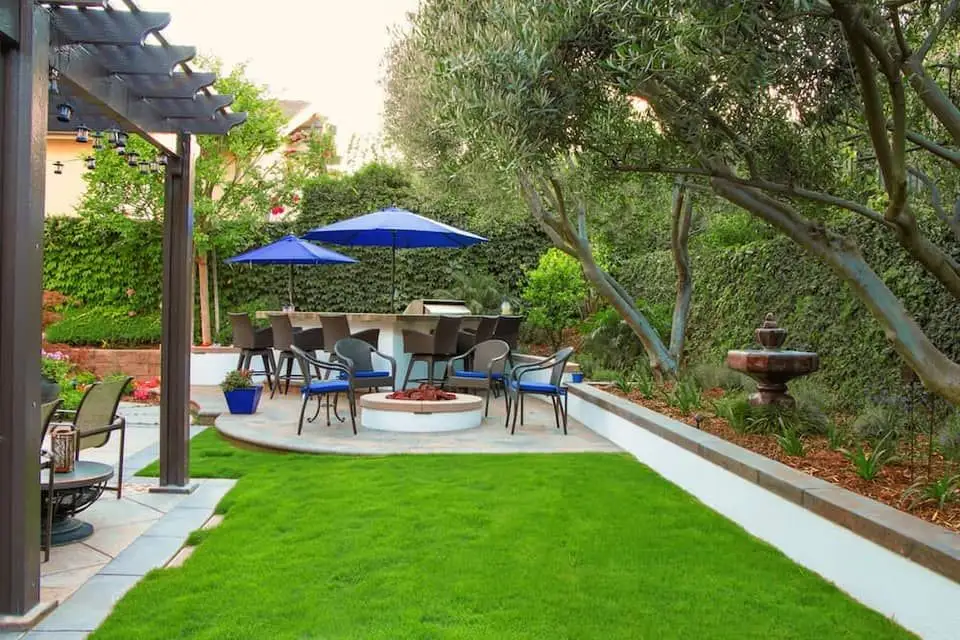
A backyard with a tall clipped hedge along the rear wall, a pergola and blue umbrellas over a dining and fire pit area, a fountain to one side and a lawn in the foreground

Shown: Hedge-Screened Backyard, Southern California

Key decisions

Things worth knowing before a first consultation.

  • Height and width

    All hedge plants grow to different mature sizes. Screening a second-story window takes a taller species than screening a patio, and a plant that grows too tall just adds maintenance.

  • Evergreen or deciduous

    An evergreen hedge screens year-round. A deciduous one can leave you exposed for part of the year, so it matters how many months of privacy you actually need.

  • Leaf and flower drop

    Some hedge plants drop leaves or flowers and need extra trimming and cleanup. Near a pool or a walkway, that is worth avoiding rather than working around.

  • Growth rate

    A fast-growing species gets you privacy sooner but needs shearing more often to hold its shape. A slow grower like boxwood asks less upkeep but takes longer to fill in.

  • Root behavior

    Some species, ficus in particular, have roots aggressive enough to crack paving and cross into a neighboring yard. That changes where and how a hedge gets planted, not just what it looks like.

  • Spacing and layout

    How far apart plants go decides how soon the hedge reads as a solid screen instead of a row of individual shrubs, and it varies by species.

  • Immediate privacy while it fills in

    A fence or a screen can cover the gap while a young hedge grows to height, so privacy does not depend on waiting out a few growing seasons.

Investment and timeline

No quote written off a photograph can account for what your property is like.

What shapes the investment

  • Species chosen and the mature size you need
  • Plant size at installation: 5-gallon, 15-gallon or boxed specimens
  • Linear footage and spacing along the property line
  • Soil preparation and any irrigation retrofit the planting needs
  • Whether a fence or screen is added for privacy while the hedge fills in

What shapes the timeline

  • How fast the species you pick grows to full screening height
  • Planting season and how well the site is prepared for it
  • The root establishment period before a hedge can be trimmed to shape
  • Whether the planting is combined with other hardscape or fencing work

Access, engineering, permits, finishes and scope vary a lot from one property to the next, so the investment and the schedule for your project are set once we have seen the site and the design is settled.

Tell us about the property and what you want the space to do. We will walk through the design, site and permitting factors likely to shape it.

What customers say

  • I've done several projects with Pacific Outdoor Living and they are always so easy to work with. Their project managers are knowledgeable and in constant communication throughout the project.

    Chris Sosa Google review · 1 year ago Landscape design project
  • Having been in our home for some time we knew about numerous issues that needed to be addressed. The team walked us through every option before we decided.

    Tom W Google review · 1 year ago Landscape renovation

Read all Pacific Outdoor Living reviews on Google

Frequently asked questions

How do I choose the right privacy hedge for my property?

It comes down to three things: height and width (how tall and wide the mature plant needs to be to screen what you want screened), use (decorative or functional), and design (whether the species fits your home’s style). We walk through all three during a consultation.

How long does it take for a hedge to grow in?

It depends on the species. Fast growers like eugenia or privet fill in within a few seasons; slower growers like boxwood take longer but need less trimming once established. A fence or screen can cover the gap in the meantime.

Is bamboo a bad choice for a privacy hedge?

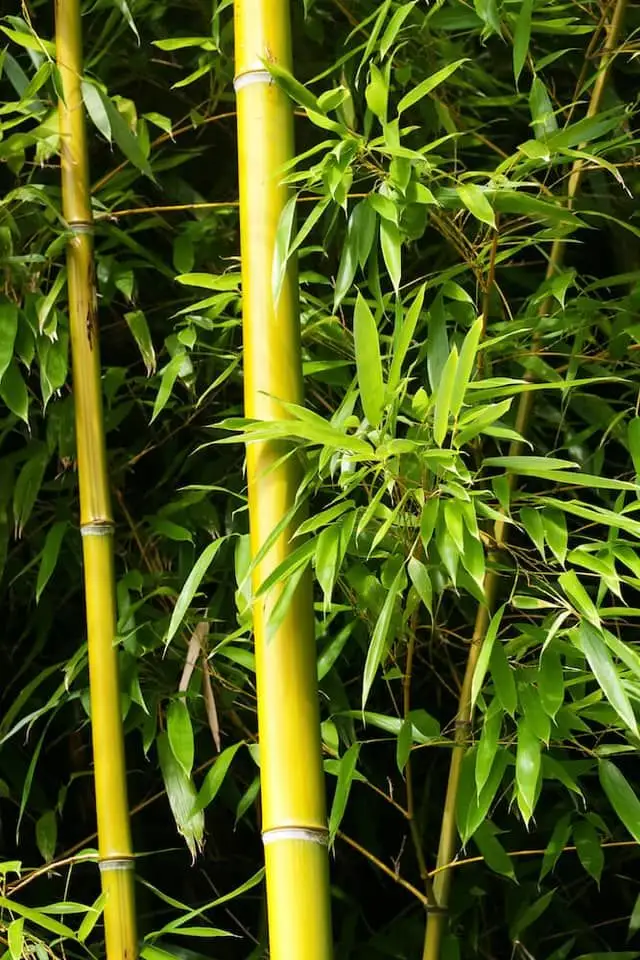
Running bamboo spreads uncontrollably and is a poor choice near a property line. Clumping varieties like Alphonse Karr or Golden Goddess grow in contained clumps and can work well as a fast, modern screen when installed correctly.

Will hedge roots damage my hardscape?

Some species can. Ficus nitida in particular has aggressive roots known to crack sidewalks and driveways. We factor root behavior into species choice and placement, especially near paving or a property line.

Can privacy hedges be combined with a fence or wall?

Yes, and it is a common way to get privacy immediately while a young hedge grows to its full screening height.

Do you design and install privacy hedges as part of a larger landscape?

Yes. Privacy hedges are typically planted as part of a broader landscape design, coordinated with irrigation, lighting and the rest of the planting plan.

See landscape design

Ready to get started?

Schedule a consultation with one of our designers to discuss your project goals and explore what's possible on your property.

What happens next: we set up a visit, measure the property and talk through what you want the space to do. Then you get a design to look at before you commit to anything.